









1. The Mandatory National Dish
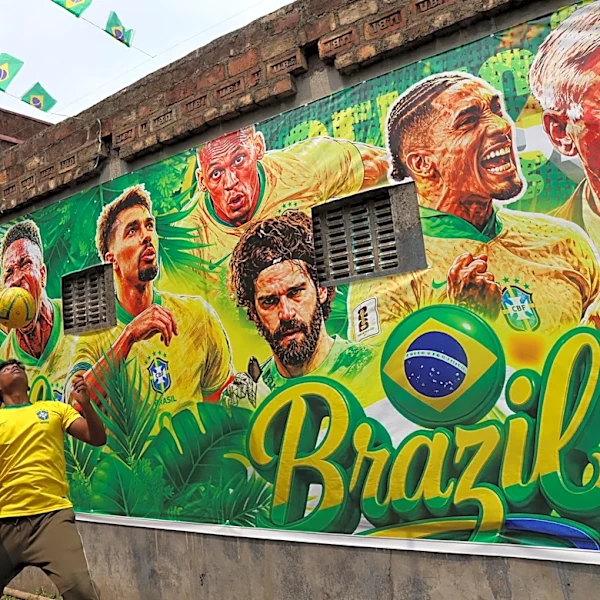
This is perhaps the most wholesome, and most common, food superstition. It’s the belief that consuming your country’s quintessential dish on game day channels national pride directly to the team. For Brazilian fans, a World Cup match is incomplete without
a communal pot of feijoada, a rich black bean and pork stew. Argentinians gather around the parrilla for a pre-game asado (barbecue), believing the ritual connects them to the spirit of the nation. It’s not just about flavor; it’s a culinary flag-waving, a way of saying, “We are all in this together.” The logic is simple: if the team is representing the country, the fans must do so, too, one delicious, anxiety-filled bite at a time. It’s a powerful act of solidarity that turns a simple meal into a shared prayer.
2. The 'If It Ain't Broke' Meal
Remember that group stage game where your team pulled off a stunning upset? What did you eat? If you’re a superstitious fan, you’d better remember, because you’ll be eating it for the rest of the tournament. This ritual is born from simple pattern association. The human brain is wired to find cause and effect, even where none exists. So, if you happened to be eating a specific brand of chips or a particular takeout order during a victory, that meal becomes imbued with magical properties. Deviating from the script feels like tempting fate. It leads to frantic grocery store runs for that one exact flavor of Gatorade or ordering the same pizza, down to the toppings, week after week. It’s a personal, often solitary, act of control in a situation that offers none.
3. Cursed Snacks and Banned Beverages
For every lucky food, there is an evil, cursed counterpart. This is the snack that must not be named, the beverage that is banished from the living room. This superstition is often born from a painful loss. Did your team concede a last-minute goal the one time you decided to try a new brand of beer? That beer is now dead to you. Forever. Some fans will go as far as to forbid certain foods from even entering the house on game day. A popular tale among English supporters involves a fan who blamed a penalty shootout loss on his friend who brought a “fancy, foreign cheese” to the viewing party. Was it the cheese's fault? Logically, no. But in the passionate, irrational world of fandom, that cheddar became a scapegoat for shattered dreams.
4. Consuming the Enemy
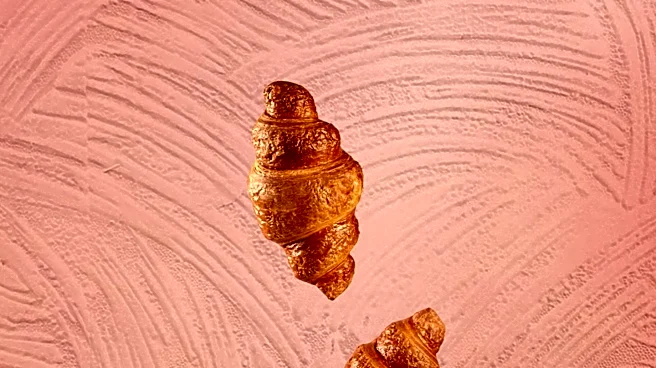
This one is a bit more aggressive, a form of culinary voodoo. The ritual involves eating the food of the opposing team's country as a symbolic act of dominance. Facing Germany? It’s bratwurst for dinner. Playing against Italy? A big bowl of pasta. The act is a playful, sometimes primal, way of “devouring” the competition. It’s a statement of intent, a way of psychologically conquering your opponent before the match even begins. While some might do it out of respect for the other culture, for most, it’s a deliciously savage power move. You’re not just eating a croissant before a match against France; you’re metaphorically absorbing their strength and leaving them with nothing.
5. When You Eat Is Everything
Sometimes it’s not what you eat, but when. The timing of food rituals can be as precise as a Swiss watch. There’s the fan who must finish their beer before the opening kickoff, the family that can’t start eating their halftime snacks until the whistle blows, or the supporter who fasts during the game, only eating after a victory is secured. These time-based rules add another layer of structure to the chaos of a 90-minute match. They create mini-deadlines and milestones within the game, giving the fan a sense of participation. By adhering to a strict eating schedule, they feel they are maintaining the cosmic balance required for their team to succeed. Missing your cue feels like you’ve personally let the team down, a burden no true fan wants to carry.