









The Science of Shared Screams
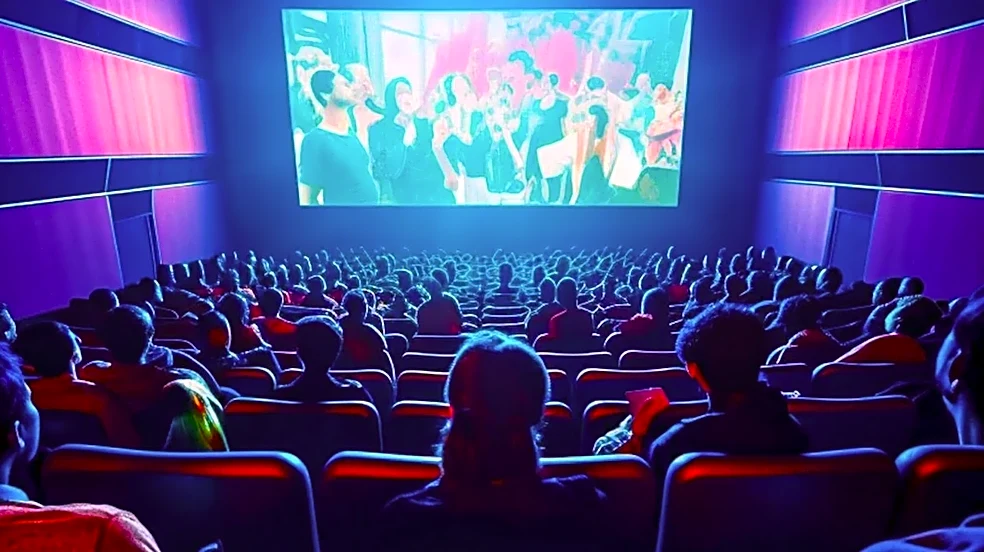
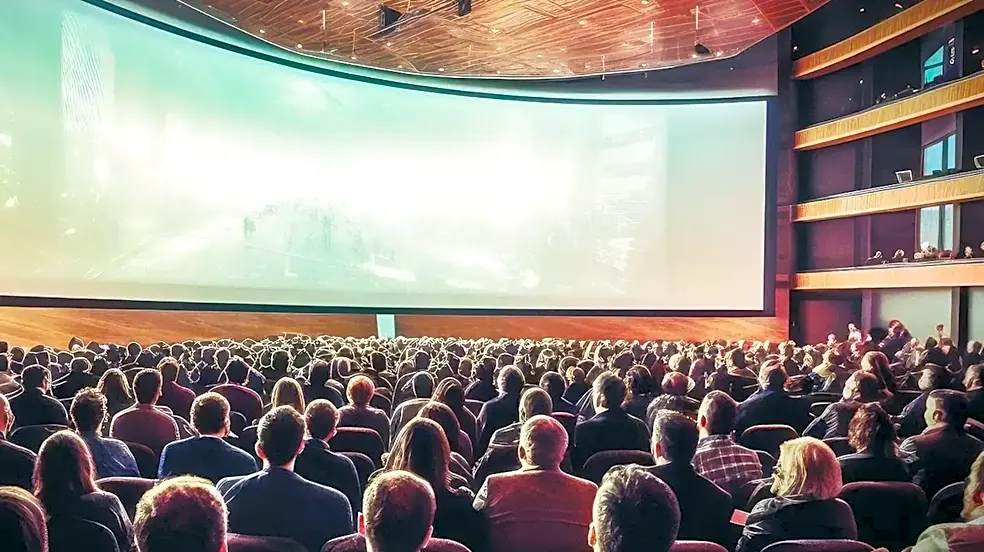
The most immediate factor is something psychologists call 'emotional contagion'. Humans are wired to mirror the emotions of those around them. When you’re in a theater and one person yelps at a jump scare, that reaction instantly ripples through the crowd.
Your own startle response is validated and amplified by the collective gasp, scream, or nervous laughter of everyone around you. This shared vocalization acts as a release valve for the tension the film has been building. Instead of processing the fear in isolation, you’re participating in a communal emotional event. The sound of others reacting tells your brain, 'We're all in this together', turning a solitary jolt of fear into a collective, and often humorous, experience. It’s the same reason laughter is more infectious in a packed comedy club; our emotions feed off the energy of the room.
Safety in Numbers Is Real
There's a powerful, primitive comfort in being part of a group, a phenomenon known as 'social buffering'. When we face a stressful or frightening situation, the presence of others can genuinely dampen our individual fear response. Your brain’s alarm system, the amygdala, is responsible for the fight-or-flight reaction that a good jump scare triggers. But being surrounded by friends or even strangers provides a subconscious layer of security. On some level, your brain knows the on-screen threat isn't real, and the physical presence of other people reinforces that safety. This buffering effect means that even though you still get the adrenaline rush from the scare, it’s less likely to tip over into genuine anxiety. The fear becomes a thrill rather than a threat because you feel protected by the herd.
Spreading the Tension Around
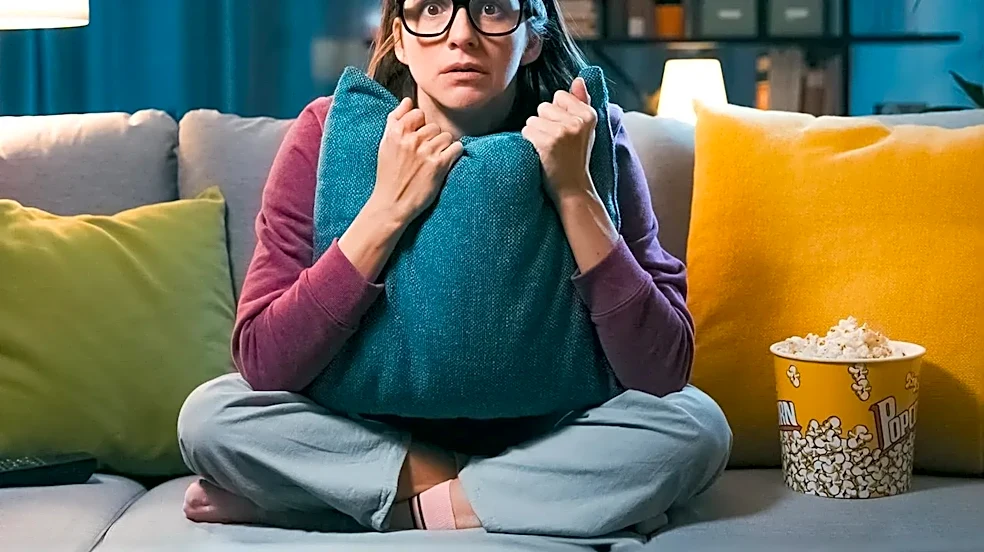
Watching a horror movie alone means you bear the full weight of its psychological tension. Every creaking door, every shadowy corner is yours to process. In a group, that tension is diffused. The responsibility for being scared is distributed among everyone present. You might be the one who spots a figure in the background, while the person next to you is focused on the music, and someone else is bracing for the inevitable scare. This shared vigilance makes the experience less mentally taxing for any one individual. The collective experience also includes the post-scare analysis—the immediate 'Did you see that?' whispers and the laughter of relief. This breaks the spell of the film, constantly reminding you that you are in a safe, social setting and transforming the fear into a source of bonding.
From Fear to Fun
Ultimately, a group transforms a horror movie from a fear endurance test into a shared rollercoaster ride. The experience involves a fascinating psychological process where the negative feeling of fear is re-contextualized as a positive feeling of excitement and fun. This is partly due to what scientists call 'misattribution of arousal'. The physiological symptoms of fear—a racing heart, quickened breath—are very similar to those of excitement. When the jump scare is over and your friends are laughing, your brain reinterprets that arousal not as terror, but as part of an exhilarating social activity. The shared relief and laughter trigger the release of endorphins and oxytocin, the 'bonding hormone', reinforcing your connection to the people you're with and leaving you with a feeling of joyful, shared resilience.