



The Comic That Changed Everything
First, a quick refresher. The 2008 comic storyline “Brand New Day” followed the even more controversial “One More Day,” in which Peter Parker makes a deal with the demonic Mephisto to save a dying Aunt May. The price? His marriage to Mary Jane Watson
is erased from history. This cosmic reset button also wiped the world’s memory of his secret identity, which he’d revealed during the superhero Civil War. The move was designed to bring Spider-Man “back to basics,” making him a single, struggling photographer again. It also introduced a slate of new characters and villains, most notably the philanthropist-turned-crime-lord Martin Li, also known as Mister Negative.
Why Marvel's MCU Doesn't Need It
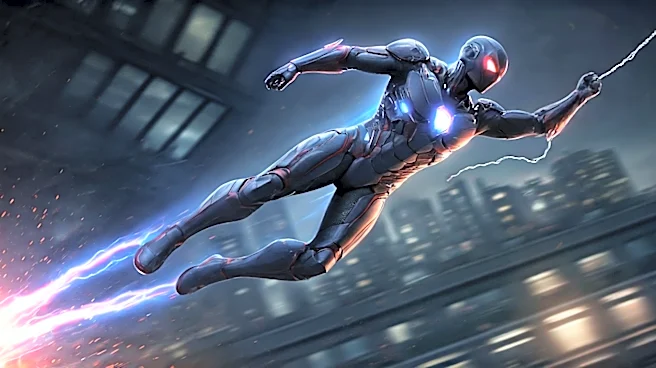
The irony is that the Marvel Cinematic Universe just gave its Spider-Man his own version of a fresh start. The ending of Spider-Man: No Way Home was a gut-punch that served the same narrative purpose as the comics' controversial deal. To save reality, Peter Parker has Doctor Strange cast a spell making everyone—including his closest friends and the Avengers—forget who he is. He’s now truly alone, renting a tiny apartment and swinging through the city in a homemade suit. The MCU achieved its own clean slate. It doesn't need a convoluted Mephisto plot to get Peter back to being a friendly neighborhood hero; it already did the hard work. The path forward for the MCU’s Spidey is about exploring that newfound isolation on a street level, not introducing cosmic retcons.
Sony's Universe-Building Problem
While Marvel has a clear path for its hero, Sony Pictures has a Spider-Man-sized hole in the middle of its Spider-Man universe. The studio holds the film rights to a massive library of around 900 characters connected to the web-slinger. For years, Sony has tried to build a cinematic universe around these supporting players and villains, with films like Venom, Morbius, and Madame Web. The results have been a mixed bag financially and a critical mess, leading to reports of a full-scale reboot of the strategy. The core problem has always been the same: how do you build a sustainable universe when its central hero is playing in another studio's sandbox? You're left with villains fighting other villains in stories that feel disconnected and, to many viewers, pointless.
The Perfect Blueprint for Sony's Future
This is where "Brand New Day" becomes so valuable—not for the MCU, but for Sony. The storyline is a treasure trove of concepts perfect for building a new, cohesive cinematic universe. It provides a roster of compelling, street-level villains like Mister Negative and Menace that can sustain their own stories. Mister Negative, in particular, with his dual identity as a beloved philanthropist and a ruthless gang leader, is the kind of complex antagonist who could anchor a film. The storyline also reintroduces a newly single Peter Parker and a living Harry Osborn, creating fresh dramatic avenues to explore without being beholden to past movie iterations. For Sony, adapting "Brand New Day" isn’t about resetting a single hero; it’s about resetting an entire universe. It gives them a narrative excuse to introduce their own Peter Parker—be it a new actor or a returning one—and build a world around him filled with characters they actually control.