
A Quest for Lightness
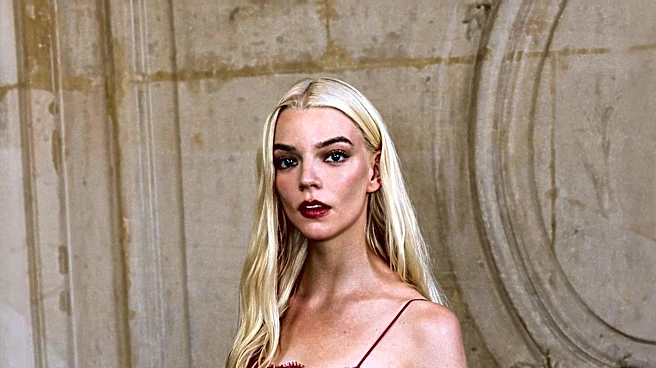
One of the most dominant themes was a literal and figurative quest for lightness. Following a summer of heatwaves, designers across the board embraced ethereal, featherlight fabrics that were often almost transparent. At Dior, Jonathan Anderson treated
air as a material itself, crafting collections from lace, silk mousseline, and organza to create fluid, nearly weightless forms. Similarly, Issey Miyake showcased coats in ultra-fine nylon that billowed like parachutes. This wasn't just about weather-appropriate clothing; it felt like a collective exhale. Some critics suggested that after seasons heavy with archival tributes, designers are ready to shake off the weight of heritage and offer something new and unburdened. This mood of escapism provides a dreamy counterpoint to a world weighed down by economic anxieties and political tensions.
The New Wardrobe-Building
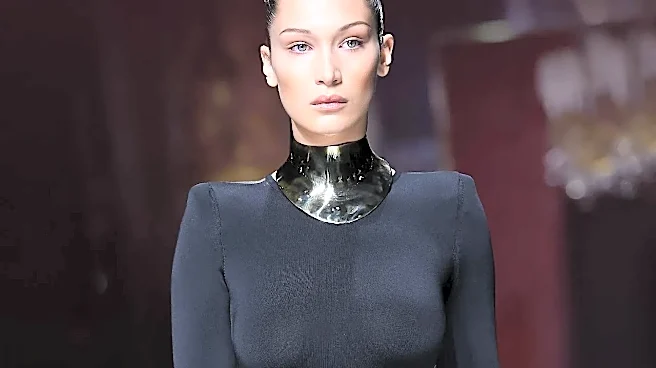
While some designers floated towards fantasy, a powerful counter-current was grounded in extreme pragmatism. A key theme was the rise of 'separates'—beautifully crafted individual pieces meant to be mixed and matched. Schiaparelli's Daniel Roseberry noted that the house reimagined its signature gowns and necklines as distinct tops and bottoms. At Loewe, Jack McCollough and Lazaro Hernandez moved away from pure spectacle to propose a real 'wardrobe', pairing wearable New England sportswear influences with the brand's Spanish DNA. This logic is about empowering the customer, encouraging them to build a personal look over time rather than adopting a pre-packaged uniform. It's a move that reflects a desire for longevity and versatility in luxury, where one key piece, like a perfect blazer or tailored trouser—both of which were common this season—can anchor an entire wardrobe.
Revisiting the Archives, Intelligently
Speaking of heritage, many of the most cohesive collections came from designers who are finding new ways to talk to their brand's ghosts. For Spring/Summer 2027, this wasn't about lazy re-issues; it was a deeper conversation. At Chanel, Matthieu Blazy framed his collection as a walk through the house's history, evolving Coco Chanel's iconic tweed into a modern stretch fabric that gives like sportswear. The goal was to loosen the house's famous codes without breaking them. At Alaïa, the studio-led team created a collection that felt like a dialogue with the late founder's work, using familiar body-conscious silhouettes but softening them with fluid drapery and flashes of skin. This approach provides a sense of stability and identity, reminding us what makes each house unique while proving that its core ideas can still feel relevant today.
The Rise of Romantic Gothic
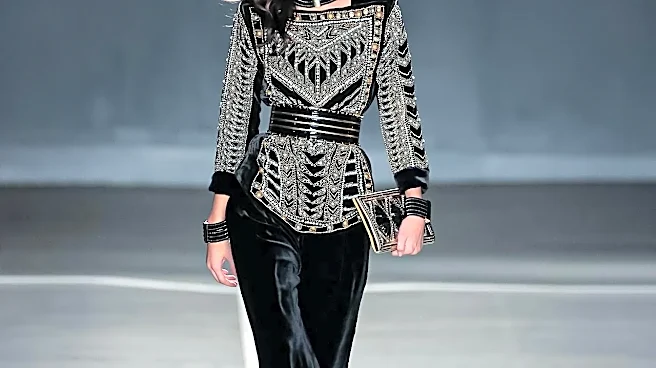
Even in a season geared for sunnier months, a darker, more romantic mood cast a long shadow. Multiple collections explored a 'glamour goth' aesthetic that traded punk aggression for a powerful, witchy sort of prettiness. At Ann Demeulemeester, this meant layers of black lace and sheer fabrics, while Dior and Balmain showed looks with shredded hems and ruffles that felt both ethereal and rebellious. This wasn't the heavy, somber black of winter. Instead, it was often rendered in transparent or lingerie-inspired pieces, exploring a tension between what is concealed and what is revealed. It suggests a desire for clothes with a sense of drama and mystery, proving that even for spring, a little bit of darkness can be incredibly alluring.