





More Than Just a Thick Balm
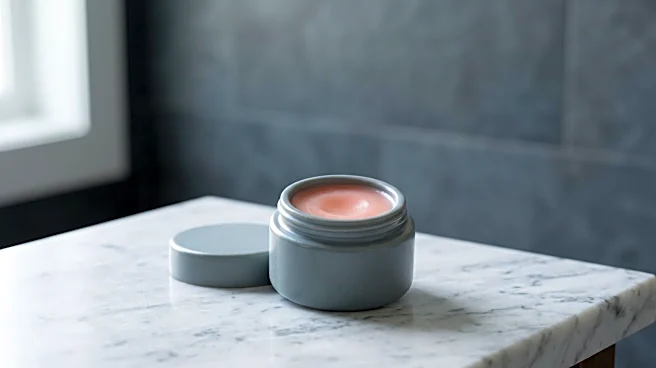
First, let's clarify what an overnight lip mask is designed to do. Unlike a regular lip balm that provides a temporary barrier, a lip mask is a concentrated treatment. These formulas are typically richer in ingredients like hyaluronic acid, shea butter,
and ceramides. Their main job is to act as an occlusive layer, meaning they create a seal that prevents moisture loss while you sleep—a period when your body’s natural repair processes are most active. They deliver nourishing ingredients deep into the delicate skin of your lips, which lacks the oil glands found elsewhere on your body.
The Most Common Mistake: Applying to Dry Lips
The single biggest error people make is slathering a lip mask onto bone-dry, flaky lips and expecting a miracle. An occlusive mask is designed to seal in moisture, but if there's no moisture to begin with, it's just sitting on top of a dry surface. Trapping dead, flaky skin under a thick layer can prevent the beneficial ingredients from ever being absorbed properly. You wouldn't put a face mask on over a day's worth of makeup and grime; the same logic applies here. Proper preparation is the missing piece of the puzzle.
The Right Way: Prep Is Everything
To get the results you paid for, you need a new pre-sleep ritual. Start with clean lips, ensuring any lipstick or gloss has been fully removed. A couple of times a week, gently exfoliate with a soft, damp washcloth or a dedicated lip scrub to slough off any dead skin. The most crucial step follows: apply the mask to slightly damp lips. You can wet your lips with a little water or, for an even bigger impact, apply a thin layer of a hyaluronic acid serum first. Then, apply a generous layer of the lip mask. This gives the mask existing hydration to lock in, dramatically boosting its effectiveness.
Choosing Your Mask and Making It Work
Not all masks are created equal. Look for formulas packed with true hydrators and barrier-repairing ingredients like shea butter, ceramides, hyaluronic acid, and vitamin E. Be wary of products with potential irritants like camphor, menthol, or strong fragrances, which can actually make dryness worse with prolonged contact. And while they're called "overnight" masks, you can also use a thin layer during the day as a powerful balm or as a primer to create a smooth canvas for lipstick. The key is consistency; using the mask correctly a few times a week will yield far better results than occasional, improper use.