




The Critic’s Monologue vs. The Audience’s Conversation
For decades, film criticism was a one-way street. A respected critic delivered a verdict from on high, and we, the audience, were meant to listen. That model still exists, but its dominance is fading. Today, the most vibrant film discourse happens in the trenches
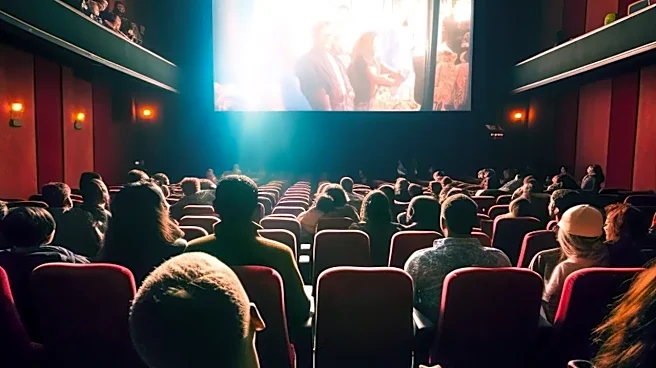
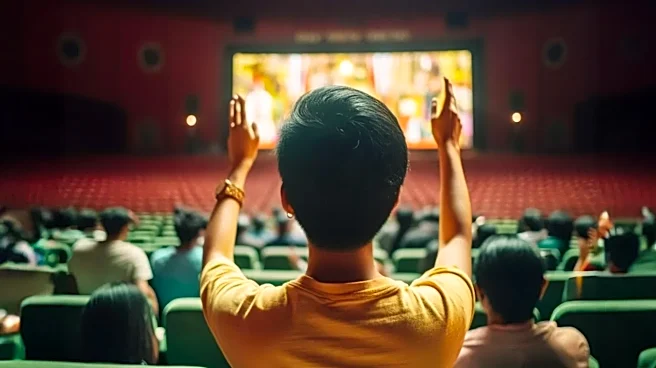
of TikTok, X (formerly Twitter), and Letterboxd. It’s a massive, real-time, global conversation where everyone gets a voice. Instead of a single, authoritative review, we get a collage of gut reactions, inside jokes, and passionate debates. A professional review analyzes a film's structure and themes; a viral meme about a shocking plot twist captures the communal gasp in the theater. One is an analysis, the other is a shared experience.
An Emotional Gold Rush
Critics are trained to be objective, to separate a film's artistic merit from their personal feelings. But for most of us, emotion is the entire point. We go to the movies to feel something—joy, terror, heartbreak, or awe. Audience reactions, in all their unfiltered glory, tap directly into that emotional core. A perfectly timed GIF, a tearful reaction video, or an all-caps tweet screaming about the ending validates our own feelings. It’s an immediate, empathetic connection that a star rating or a paragraph about cinematography can rarely match. Research shows that negative online reviews can often be more impactful on a person's choice to see a movie, but positive reactions are more influential in the post-viewing evaluation, reinforcing that shared joy is a powerful force. This immediate feedback loop has become a defining feature of modern fandom.
Cutting Through the 'Prestige' Noise
Fall is traditionally “prestige” movie season. It’s when studios roll out their most serious, important, and Oscar-hungry films. While many of these are masterpieces, the season can feel heavy with self-importance. Audience reactions provide a necessary dose of reality and humor. They puncture the pomposity, turning a stoic historical drama into a source of relatable memes or pointing out the unintentionally hilarious dialogue in an otherwise somber film. This isn’t about disrespecting the art; it’s about making it accessible and fun. While critics debate a film's Oscar chances, audiences are busy creating their own culture around it, from fashion trends inspired by a movie to viral challenges. This fan-driven marketing, often more potent than official studio campaigns, thrives on this sense of play.
The Joy of the Digital Movie Club
Ultimately, what makes audience reactions so compelling is the sense of community. Participating in the online discourse—whether you’re posting your own take or just laughing along—makes you part of something bigger. It’s like being in a massive, ongoing movie club where the takes are hot, the jokes are instant, and the passion is infectious. This shift has democratized film criticism, transforming it from a top-down lecture into a vibrant, inclusive, and constantly evolving discussion. Studios and filmmakers are taking notice, realizing that the narrative surrounding their film is increasingly shaped not by a few dozen critics, but by millions of fans online. The power has shifted, and the conversation is infinitely more interesting because of it.