






The Myth of the ‘Safe’ Neutral
For decades, professional women have been advised to build their work wardrobes on a foundation of “safe” neutrals: black, navy, and charcoal gray. The logic is sound on the surface—these colors are versatile, serious, and rarely cause offense. Fashion
magazines often reinforce this, focusing on the cut of a blazer or the trend of the season. But in doing so, they miss the most powerful communication tool you have in your closet. Relying solely on a dark, neutral uniform is a missed opportunity. While these colors project authority and formality, they can also create distance or feel unapproachable. Color isn't just decoration; it's a non-verbal signal that speaks volumes before you even say a word, influencing how you're perceived in meetings, presentations, and daily interactions. Your wardrobe's color story is a form of personal branding, and sticking to the same few dark shades is like giving the same speech every single day.
Color as Your Silent Communicator
The psychology of color is a well-documented phenomenon that affects mood, behavior, and perception in the workplace. Think of your outfit's color as setting the emotional tone for an interaction. Research shows that people make subconscious judgments within seconds of seeing someone, and a huge part of that assessment is based on color. A deep blue can signal trust and stability, making it ideal for client meetings or collaborative projects. Red, used strategically, communicates power, energy, and confidence, perfect for a high-stakes presentation. Even softer colors have a role; a dusty pink can make you seem more approachable, while green can project a sense of calm and balance. This isn't about manipulation, but alignment. Choosing your colors with intent ensures your visual message matches your professional goals, whether you need to command a room with authority or foster a creative brainstorming session.
Building Your Strategic Palette
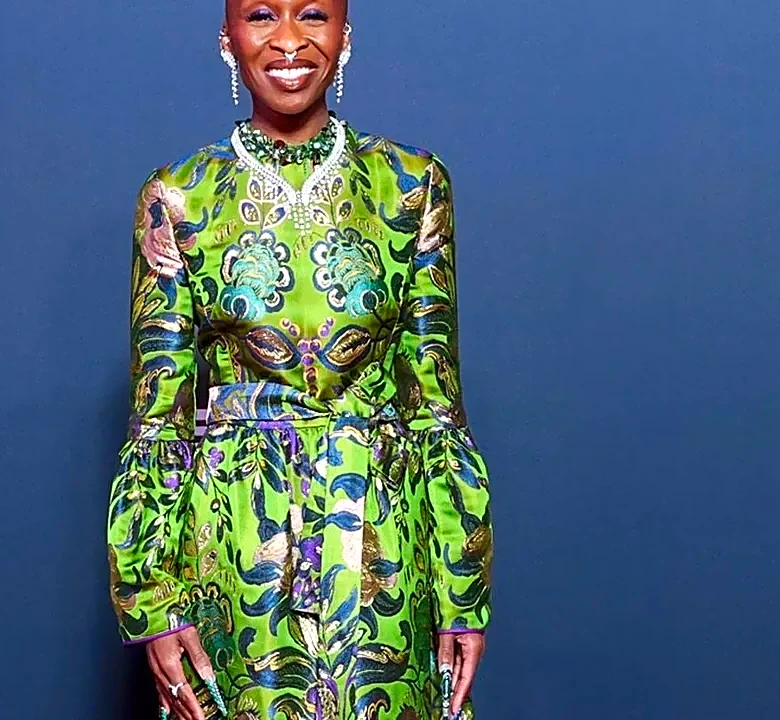
Creating a powerful color palette isn't about ditching your favorite neutrals but enhancing them. The most effective work wardrobes are built on a simple, structured system. Start with two or three core neutral colors that form the foundation of your outfits—think trousers, skirts, and blazers. Instead of just black and navy, consider modern neutrals like camel, olive, or deep chocolate to add warmth and sophistication. Next, choose two to three main colors. These are the shades you love and feel great in, which will appear in your blouses, knitwear, and dresses. These could be richer tones like emerald green or wine, or softer hues like light blue. Finally, select one or two accent colors. These are your bold pops of personality—a vibrant red, a sunny yellow, or a royal purple—used for accessories like a scarf, a bag, or a single statement piece to add energy and make an outfit memorable.
Putting Your Palette into Action
Once your palette is defined, using it becomes second nature. Before a big day, think about what you need to project. Need to lead a tough negotiation? A charcoal suit with a crisp white shirt signals competence and clarity. Want to encourage open dialogue in a team meeting? A sweater in a calming blue or an approachable soft pink can help set a collaborative tone. The true power comes from knowing how to combine these signals. A navy blue dress (trustworthy) with a red belt (confident) sends a nuanced message of authoritative but dynamic leadership. This approach transforms getting dressed from a daily chore into a strategic exercise. It streamlines your closet, ensures every piece works together, and empowers you to walk into any professional situation feeling confident that your clothes are actively supporting your success.