







Couture: The Art of the Hand
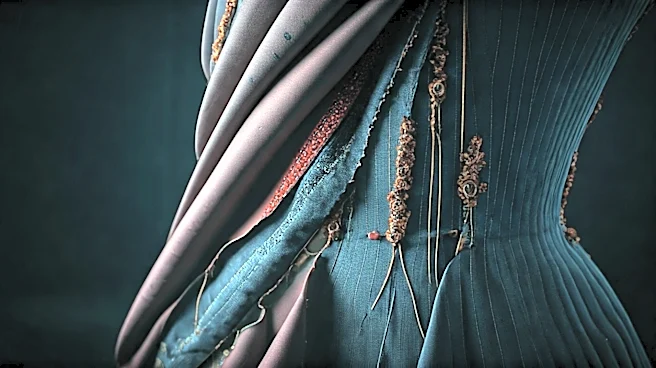
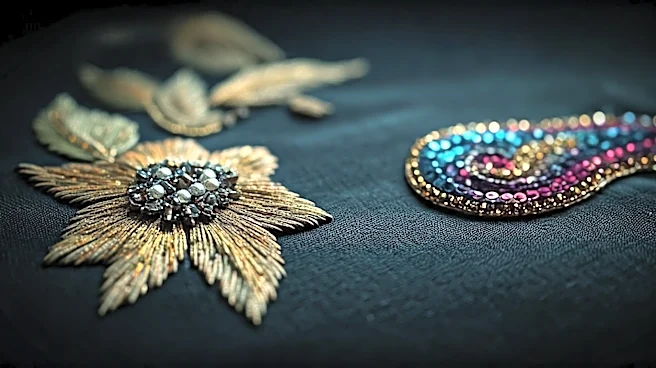
Haute couture embroidery is less a decoration and more a narrative woven in thread, beads, and an astonishing array of materials. This is the realm of legendary ateliers like Lesage and Montex, where artisans, known as petites mains (little hands), spend
hundreds, sometimes thousands, of hours creating a single panel of embroidery. The techniques are often centuries-old, such as Lunéville or tambour embroidery, which uses a special hook to create a chain stitch with beads and sequins from the reverse side of the fabric. This method allows for incredible speed and fluidity in the hands of a master. The entire process is about preservation of craft, with embroiderers training for years to perfect their skills. A couture piece is made-to-measure for a specific client, with multiple fittings ensuring a perfect result. It's a singular work of art, intended to last for generations.
Red Carpet: The Spectacle of the Moment
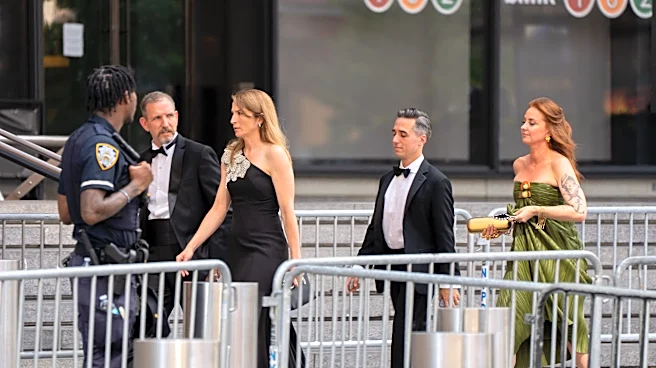
Red-carpet embellishment, while often breathtaking, serves a different purpose: maximum visual impact for a single, heavily photographed event. While some red-carpet gowns are indeed couture, many are from ready-to-wear (or prêt-à-porter) collections, or are custom pieces made specifically for the event under tight deadlines. The embellishment here is geared toward how it will perform under intense flash photography. Techniques are chosen for efficiency. This might involve machine embroidery, pre-made appliqués that are stitched on, or hand-beading that is less complex than traditional couture methods. The goal is to create a stunning silhouette and a memorable image that can be produced more quickly and, in some cases, replicated for high-end clients. The focus is on the immediate 'wow' factor rather than the generational permanence of the garment.
A World of Material Difference
The materials themselves tell a story. Couture embroidery often involves rare and precious components. Think 24-karat gold thread that is painstakingly couched onto the surface, vintage beads that are no longer in production, custom-dyed silk threads, semi-precious stones, and even unconventional items like straw or coated real flowers. One Chanel collection famously used real flowers coated in resin, hand-stitched into place. This level of material exclusivity is a hallmark of couture. For many red-carpet and ready-to-wear pieces, the materials are high-quality but more accessible, like glass crystals, standard sequins, and synthetic threads designed for durability and brilliant shine on camera. It's the difference between an heirloom jewel and a perfectly cut piece of costume jewelry; both can be beautiful, but their intrinsic value and purpose are distinct.
Time, Labor, and the Bottom Line
Ultimately, the biggest difference comes down to time. A single haute couture gown can involve 1,000 to 2,000 hours of handwork just for the embroidery. Multiple artisans may work on a single piece, stretched over a large frame, to meet a deadline. This immense labor investment is why couture pieces cost anywhere from tens of thousands to hundreds of thousands of dollars. Ready-to-wear and most red-carpet embellishments are designed for more efficient production. While still labor-intensive compared to unadorned garments, the processes are streamlined. Digital embroidery machines can replicate complex patterns consistently, and simpler hand-stitching techniques can be employed to reduce the hours required. This makes the garments accessible to a wider, though still exclusive, audience.