





The Consummate Entertainer
To call Sammy Davis Jr. a triple threat feels like a gross understatement. He was a singer, dancer, actor, comedian, and impressionist who could command a stage or a film set with seemingly bottomless energy. Colleagues often referred to him as "Mr. Entertainment"
for this very reason. Frank Sinatra, his friend and fellow Rat Pack member, once declared, "He was the best of us, no question." But the "something" that set him apart went beyond his technical skills. It was an electricity, a total commitment to the performance that captivated everyone from the audience to his fellow actors. Shirley MacLaine, who starred with him in 1969's "Sweet Charity," recalled her first time seeing him perform, thinking, "Never had so much come out of something so small for so long." This combination of raw talent and an almost superhuman stage presence was the foundation of his unique genius.
A Master of His Craft
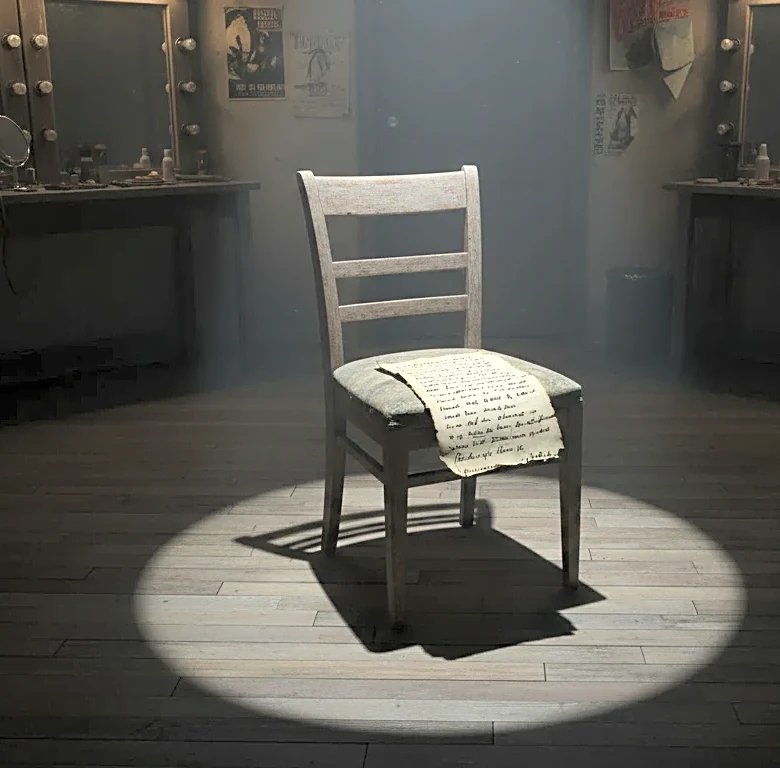
Davis wasn't just talented; he was a relentless professional who treated every performance as if it were the most important of his life. Starting his career in vaudeville at age three, he learned that to survive, you had to do everything. This upbringing instilled a work ethic that was legendary. Billy Crystal, who opened for Davis, called it opening for "a museum of entertainment," describing how Davis would arrive at the theater hours early to prepare. Jay Leno shared a similar observation, noting that Davis would transform every dressing room into his personal den, hanging photos and bringing his own chair to make the road his home. This dedication extended to his craft of imitation. Jerry Lewis, a close friend, noted how Davis perfected his impersonations, a skill he masterfully deployed in his act. It wasn't just about mimicry; it was about embodying the spirit of the person, a testament to his deep understanding of performance.
Generosity in the Spotlight
For all his star power, stories abound of Davis's generosity and lack of ego on set. He was known for giving away expensive gifts, like watches, to people who simply admired them. But his generosity went deeper than material possessions. There's a powerful story of a hotel bellhop who was fired for making racist remarks to Davis and his wife, May Britt. When a colleague of the fired man later pleaded his case, noting the man's family was struggling, Davis didn't hesitate. He wrote a check to cover the man's lost wages and personally asked the hotel owner to rehire him. This capacity for forgiveness and empathy stood in stark contrast to the immense prejudice he faced. It was a humanity that he carried with him, influencing not only his personal interactions but the atmosphere he created for his co-workers.
The Weight of a Trailblazer
The single most unique thing Sammy Davis Jr. brought to a set was something no white performer of his era could: the lived experience of being a Black man breaking down monumental barriers in America. He once said, "My talent was the weapon, the power, the way for me to fight." This fight was constant. His refusal to play in segregated clubs helped integrate venues in Las Vegas and Miami. His relationships, particularly his marriage to white actress May Britt, drew public ire and even caused President John F. Kennedy to disinvite him from his inaugural gala to appease Southern Democrats. This pressure was immense, yet he channeled it into his work. When he took on the lead role in the 1964 Broadway musical "Golden Boy," which featured a controversial interracial romance, he did so with a ferocious determination, earning a Tony nomination for his efforts. That wasn't just an actor playing a part; it was a man pouring his life's struggle onto the stage, bringing a depth and authenticity that no one else possibly could.