
1. The Standing Ovation's Specifics
Not all standing ovations are created equal. While many films get a polite round of applause, the ones with true momentum earn something more visceral. It’s about the length, sure, but it's also about the speed
at which the audience gets to their feet. This year, the premieres of the biopic 'I Play Rocky' and the disability rights drama 'Being Heumann' earned immediate, enthusiastic standing ovations that signaled a deep audience connection. Similarly, the Tamil film 'Dorothy' received a rousing ovation, a major indicator for an international feature. When the applause feels less like an obligation and more like a spontaneous eruption, the film has struck a real chord.
2. An All-Night Bidding War
While many films arrive at TIFF with a distributor already in place, some of the most exciting stories are the ones that spark a bidding war. When studios like A24, Searchlight, or even streamers like Netflix get into a multi-million dollar tug-of-war for distribution rights that goes late into the night, it’s a massive vote of confidence. It means they not only see a great film but a profitable one. This frenzy is often sparked by a combination of strong reviews and electric audience response, turning a small indie into a must-have property. While sales have generally slowed in recent years, a major sale can still define the festival.
3. The 'People's Choice' Buzz
At TIFF, the audience is king. The People's Choice Award, voted on by festival-goers, is one of the most reliable predictors of Oscar success. Past winners include 'Green Book', 'Nomadland', and 'American Fiction'. Long before the winner is announced, you can feel the buzz building for certain films. This year, online forums and industry chatter point to Jesse Eisenberg's 'The Debut' and the opening night film 'Being Heumann' as strong contenders for the coveted prize. When regular audience members leave a screening and immediately start telling everyone they have to see it, that's the genesis of a People's Choice champion and a potential Best Picture nominee.
4. The Second Wave of Critical Praise
The first reviews out of a premiere are important, but the real test is what happens next. Does the conversation grow, or does it fade after 24 hours? A film with real momentum doesn't just get good reviews; it inspires a wave of deeper analysis and think pieces. Critics who missed the premiere scramble to catch up, and the film starts appearing on 'best of the fest' lists. The Rotten Tomatoes score isn't just high, it's sustained, as seen with several films at this year's festival, like 'The Debut' and 'Your Mother Your Mother Your Mother', which have maintained perfect or near-perfect scores days after their debuts.
5. A Performance Becomes the Conversation
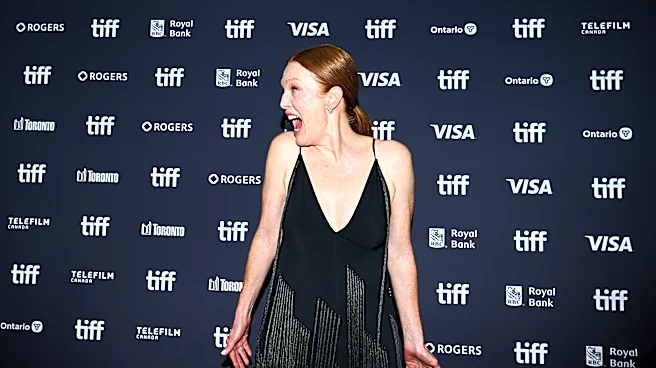
Sometimes, a film's momentum is carried entirely on the shoulders of one of its actors. The movie might be good, but the performance is undeniable. The conversation shifts from 'Have you seen this film?' to 'Have you seen what this actor does in it?' This year, there's significant buzz around Cynthia Erivo's performance in the legal drama 'Prima Facie' and Julianne Moore's in 'The Debut'. When a single performance becomes the primary topic of conversation, it generates its own gravitational pull, lifting the entire film's profile and kicking off an awards campaign that can last for months.
6. The Social Media Echo Chamber
In the past, buzz was confined to industry insiders trading notes over espresso. Now, it explodes on social media. It starts with critics and industry bloggers, but the true sign of momentum is when it breaks containment and reaches the general public. You'll see audience members, not just professionals, posting about a film, sharing clips, and creating memes. This grassroots energy is what distributors dream of, as it signals a film has the potential to become a cultural phenomenon beyond the festival circuit, something that appeals particularly to younger, theater-going audiences.
7. The Crossover Endorsement
Perhaps the most telling signal is when other filmmakers, actors, and writers at the festival—people who are there promoting their own projects—start publicly praising a competitor's film. It's an inside-baseball acknowledgement of quality and impact. When a director is in a Q&A for their movie but gives a shout-out to another film they just saw and loved, it carries immense weight. It’s a sign that a film isn’t just a crowd-pleaser or a critical darling, but a piece of work that has genuinely impressed the artistic community itself.