



The Long Shadow of Alber Elbaz
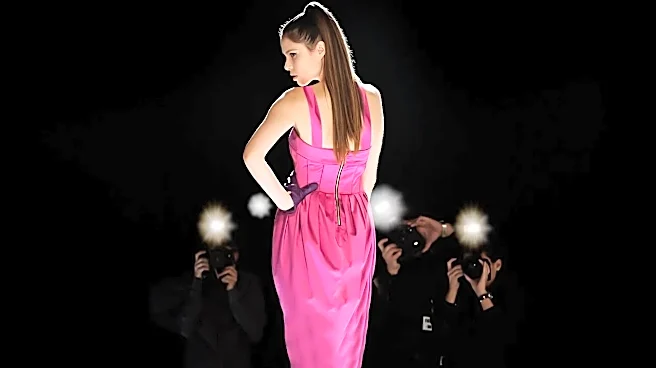
To understand where Lanvin is going, you have to remember where it’s been. For 14 years, from 2001 to 2015, the house was defined by the singular vision of Alber Elbaz. His designs were joyful, intelligent, and deeply feminine, characterized by jewel-toned
draped dresses, raw edges, and an intuitive understanding of what women wanted to wear. Elbaz didn't just make clothes; he created a feeling. His departure in 2015 left a creative and spiritual void that proved incredibly difficult to fill. What followed was a revolving door of talented designers—Bouchra Jarrar, Olivier Lapidus, and Bruno Sialelli—each with their own distinct aesthetic, but none who could quite recapture the Elbaz magic or forge a compelling new identity for the storied brand. The house seemed adrift, caught between honoring a beloved past and chasing contemporary trends.
An Architect of Feminine Grace
Enter Peter Copping. Appointed in June 2024, the British designer arrived with a resume that reads like a map of modern elegance. With formative years at Louis Vuitton under Marc Jacobs, followed by critically lauded stints as creative director for Nina Ricci and Oscar de la Renta, Copping has built a reputation for polished, sophisticated, and unabashedly pretty clothes. He was hand-picked by Oscar de la Renta himself as his successor, a testament to their shared sensibilities. More recently, he helped re-establish Balenciaga's haute couture atelier, proving his technical prowess and deep respect for craftsmanship. His hiring was a clear signal from Lanvin's parent company, Lanvin Group: the era of experimentation was over. The goal was to bring back a classic, refined vision rooted in the house's DNA.
The Spring 2027 Collection: A Gentle Reset
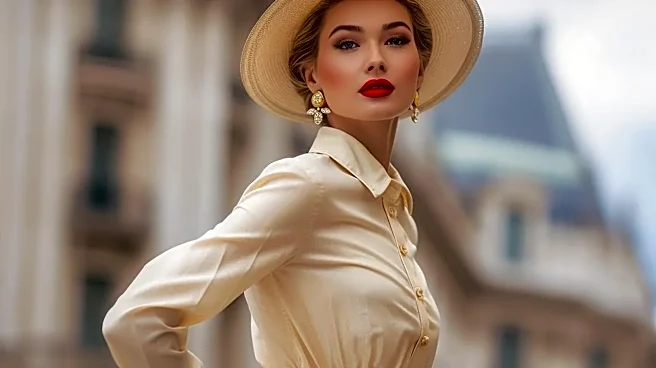
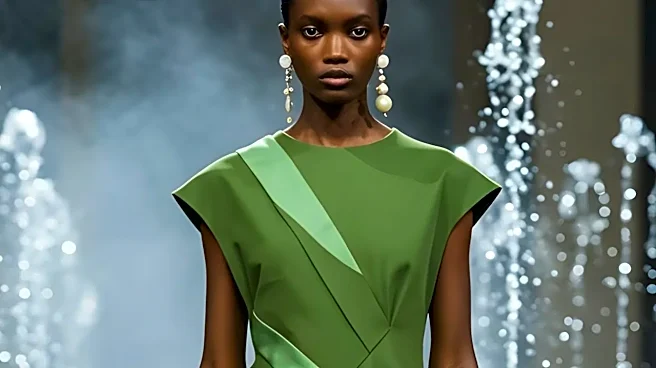
Presented during a sun-drenched afternoon at Paris Fashion Week, Copping's first full collection for Spring/Summer 2027 felt less like a revolution and more like a homecoming. The show notes spoke of a return to “foundational Parisian elegance,” and the clothes delivered on that promise. The collection moved with a soft, confident ease. Gone were the streetwear influences of recent years, replaced by beautifully executed dresses, fluid tailoring, and a focus on luxurious fabrication. Copping revived Lanvin’s iconic “quilted” motif, not on bags, but as textured detailing on silk coats and the bodices of cocktail dresses. The color palette was a sophisticated mix of Jeanne Lanvin's beloved shades of blue, powdery pastels, and sharp black and white. Silhouettes were graceful and feminine, with an emphasis on the waist and soft, flowing skirts that whispered rather than shouted. It was a collection designed for a grown-up woman who loves fashion but isn't a slave to it.
Is Elegance Enough?
Copping’s debut was, by all accounts, a critical success, praised for its beauty and poise. The key question, however, is whether this quiet and considered approach can resonate in today's noisy, trend-driven market. In a landscape dominated by viral moments and logo-mania, a beautifully cut day dress can feel almost radical in its subtlety. Yet, this may be Lanvin’s shrewdest move. Instead of competing in a crowded field of high-concept fashion, Copping is steering the brand back to its core identity: creating exquisite, desirable clothes that stand outside of time. By focusing on the refined craftsmanship and romantic femininity that defined Jeanne Lanvin's original vision, the house is offering an alternative to the hype cycle—a vision of lasting style over fleeting trends. It’s a gamble that the modern luxury consumer is craving not just another 'it' item, but a return to true elegance.