
From High-Gloss Glow to a Velvet Touch
Remember the era of skin so shiny it could reflect light like a freshly polished apple? That was the peak of the dewy and glass skin movements. It was all about showcasing hydration with an almost-wet
finish. Now, the aesthetic is maturing into something more subtle and sophisticated: satin skin. Imagine the soft, subtle luster of a silk fabric—that’s the goal. A satin finish sits in the perfect middle ground between the high shine of a dewy look and the flat, shine-free look of a matte complexion. It’s skin that looks like healthy, well-moisturized skin in its natural state: luminous but not greasy, smooth but not flat. Danish makeup artists and beauty insiders are calling it a 'soft-focus' or 'hyper-natural' look, where real skin texture is celebrated, not concealed under layers of high-gloss product.
Why the Backlash to a Wet-Look Face?
The pivot away from an all-over dewy look isn't a rejection of healthy skin; it's an evolution toward practicality and refinement. For many, the dewy trend went too far, often crossing the fine line between glowing and greasy, especially for those with combination or oily skin. It could be difficult to maintain, requiring frequent touch-ups to stop it from looking like an oil slick by midday. There was also a growing sense of 'trend fatigue' with the multi-step, product-heavy routines required to achieve a glass-like sheen. The satin finish aligns more closely with the foundational Danish beauty philosophy of 'less is more'. It's effortlessly chic, comfortable to wear all day, and looks just as good in real life as it does on camera. This new ideal is about looking polished and put-together without appearing overly 'done,' a core tenet of Scandinavian style.
How to Curate the Perfect Satin Finish
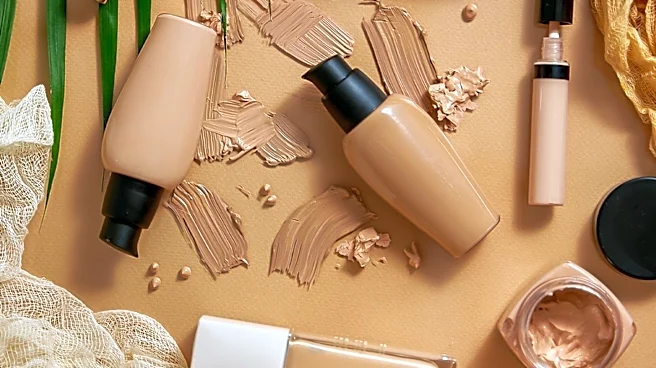
Achieving a satin texture is less about piling on new products and more about thoughtful technique. It all starts with skincare prep that prioritizes hydration without leaving a heavy or greasy film. Think lightweight, gel-cream moisturizers and hydrating serums. The key is balance. After skincare, a blurring or smoothing primer can help create a soft-focus canvas without adding shine. Next, choose your foundation wisely. Look for formulas described as 'natural finish' or 'satin,' which provide light-to-medium coverage that evens out skin tone while letting natural texture show through. The application method is also important; many artists recommend using fingers or a damp sponge to melt the product into the skin for a seamless effect. The final, and perhaps most crucial, step is strategic powdering. Instead of dusting powder all over, use a small brush to lightly set only the areas prone to unwanted shine, like the T-zone, leaving the high points of the face, like the cheekbones, to catch light naturally.
It’s Still All About Healthy, Happy Skin
Ultimately, the shift to a satin finish doesn't change the fundamental goal of Danish beauty: to have skin that is so healthy it needs minimal makeup. This trend isn't about masking imperfections but about elevating your natural complexion. The focus remains on a consistent skincare routine built on cleansing, hydration, and sun protection. The satin look is simply the final touch—a way to present that healthy skin to the world with a finish that feels both modern and timeless. It's an admission that while we love a good glow, we also want our skin to look and feel like skin. This return to a more realistic, comfortable, and effortlessly elegant complexion is a quiet beauty revolution, and it’s one that’s built to last.