




From Audio File to Media Franchise
In the early days, podcasting was a beautifully simple exchange: a creator recorded their thoughts, uploaded an MP3, and listeners subscribed via an RSS feed. Branding was often an afterthought, limited to quirky cover art and a memorable name. But as the industry
boomed, the game changed. Shows like "Serial" proved that podcasts could command massive, invested audiences, rivaling traditional media. This evolution sparked a crucial shift in thinking. Creators realized they weren't just making audio content; they were building intellectual property. The podcast itself became the flagship product in a much larger brand universe, and succeeding required thinking less like a hobbyist and more like a media entrepreneur.
The Unavoidable Rise of Video
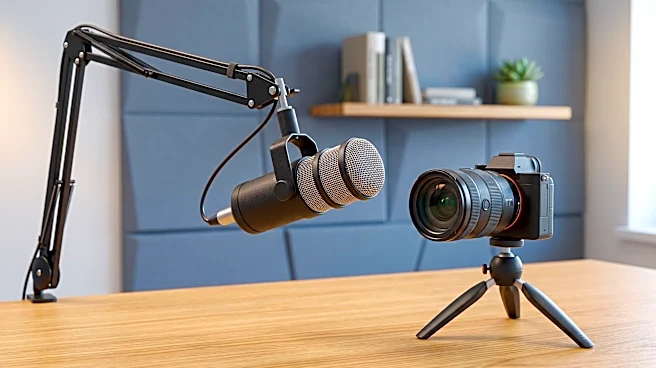
The single biggest driver in this transformation has been the integration of video. Platforms like YouTube and Spotify have turned podcasting into a hybrid medium. Today, a significant portion of podcast consumption happens on video platforms, where fans can see the hosts' reactions and interactions. This visual layer is no longer optional for growth. Top podcasts now operate as full-fledged video production engines, using short, shareable clips for discovery on TikTok and Instagram. A study found that 87% of the top 100 U.S. podcasts have a YouTube presence, using it as a primary tool to attract new listeners who might never have found the audio-only version. The visual identity—from the studio setup to the hosts' expressions—has become a core part of the brand experience.
More Than a Show: The Brand Universe
With an established audience and visual identity, the modern podcast brand extends into tangible and digital products. Merchandise is a key pillar, turning listeners into walking billboards and creating a new revenue stream. T-shirts, hats, and mugs printed with inside jokes or iconic logos transform a listening habit into a tribal identity. But it doesn't stop at physical goods. Successful shows launch newsletters, write books, and create spin-off content, all designed to deepen the connection with their audience. Each extension reinforces the brand's values and voice, ensuring the podcast remains top-of-mind even when earbuds are out. This strategy is a discipline, requiring consistency in messaging, design, and tone across every platform.
The Community Becomes the Product
In the past, the relationship between a podcast host and listener was mostly one-way. Today, community interaction is a central part of the brand strategy. Fan communities on platforms like Patreon, Discord, or within YouTube comment sections provide a space for listeners to engage directly with creators and each other. This isn't just about marketing; it's about making the community feel like part of the show. Some podcasts offer exclusive content, early access, or ad-free episodes to paying members, effectively turning the community itself into a premium product. This two-way relationship fosters immense loyalty and transforms passive listeners into active, invested supporters of the brand.
Taking the Show on the Road
The final frontier of podcast branding is the live experience. Podcast live tours have become a lucrative part of the entertainment circuit, selling out theaters across the country. These events are the ultimate expression of brand loyalty, where fans pay to experience a show they normally get for free, surrounded by thousands of fellow listeners. It's a powerful transition from a digital, solitary experience to a physical, communal one. Live shows not only generate significant revenue through ticket and merchandise sales but also create unforgettable moments that strengthen the bond between the hosts and their audience, solidifying the podcast's status as a true entertainment franchise.