



The Uncomfortable Void
Human beings are conditioned to fill conversational gaps. A sudden silence in a discussion feels like a glitch, a social error that someone needs to correct. Psychologically, this creates a vacuum of discomfort that most people rush to fill. In an interview
setting, this is where the magic happens. An interviewer who asks a question and then simply waits is deploying a subtle form of pressure. The subject gives their prepared answer, the one they’ve rehearsed. But the silence that follows suggests that answer wasn’t enough. It implies the interviewer is waiting for the real story. More often than not, to break the tension, the interviewee will continue talking, often moving past their talking points and into more genuine, unfiltered territory. It’s in this unplanned second-half of the answer that confessions are made and raw emotions surface.
Going Beyond the Rehearsed Answer
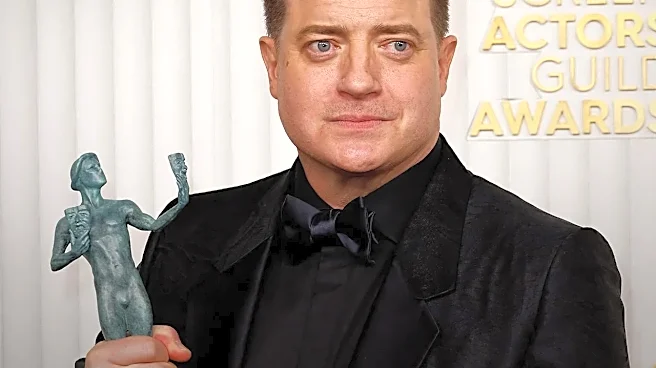
Public figures, especially in an “awards-caliber” context, are media-trained to perfection. They have a story to sell, a project to promote, and a narrative to control. A rapid-fire Q&A allows them to stay on script, rattling off pre-approved anecdotes. Silence shatters that defense. It provides a moment for the subject to actually think and reflect, rather than just react. Legendary interviewer Robert Caro, a biographer known for his deeply revealing portraits, has a simple trick: when he's waiting for someone to elaborate, he writes "SU" (for "Shut Up!") in his notebook to stop himself from interrupting. This technique forces the subject to move beyond their initial, superficial response and dig deeper. The pause signals that the interviewer is interested in a thoughtful answer, not just a quick soundbite. This gives the interviewee the space to formulate thoughts they may not have intended to share, leading to moments of surprising candor.
Masters of the Meaningful Pause
No one exemplifies the power of the pause better than Oprah Winfrey. Her interviews are famous for the moments where she sits back, maintains eye contact, and simply lets her guest process a difficult question. In her bombshell interview with Meghan Markle and Prince Harry, her use of quiet patience allowed for deeply emotional and revealing responses. She doesn’t rush to the next question; she creates an environment where silence is permission for the guest to be vulnerable. Similarly, Terry Gross of NPR's "Fresh Air" is renowned for making her interviews feel like intimate conversations rather than interrogations. By being comfortable with silence, these masters of the craft demonstrate that they are actively listening to understand, not just to respond. This builds a level of trust that encourages guests to share more openly and honestly, knowing their words are being given the weight and consideration they deserve.
It's a Sign of Confidence and Respect
In a culture that often mistakes speed for competence, choosing to be silent can feel counterintuitive. Many interviewers fear a pause will make them look unprepared. In reality, the opposite is true. An interviewer who is comfortable with silence appears confident, calm, and in control. It shows they are not just running through a checklist of questions but are genuinely engaged with the person in front of them. This silence isn't empty; it's an act of respect. It tells the subject, "I'm giving you time to find the right words. What you have to say is important, and it’s worth waiting for." This approach transforms the interview dynamic from an adversarial exchange into a collaborative search for truth, fostering a connection that allows for more meaningful and productive conversations. Ultimately, the strategic pause conveys that the interviewer values depth over speed, a hallmark of any truly great conversation.