




Strategy 1: Make the Coat the Costume
The simplest solution is to choose a character defined by their outerwear. Think of iconic figures whose coat is their most recognizable feature. A trench coat instantly signals a classic detective, international spy, or even an intrepid reporter. Characters
like Carmen Sandiego, with her bold red trench, or Coraline, with her yellow raincoat, are immediately identifiable by their coats alone. For a more dramatic flair, a long duster or leather jacket can form the base for a vampire, a biker, a rock star, or a sci-fi hero like Neo from 'The Matrix'. Similarly, a military-style jacket works for a historical figure or a soldier. This approach makes your warmest layer the star of the show, not an afterthought. You're not just wearing a coat; you're fully in character.
Strategy 2: Use Cloaks, Capes, and Robes
For fantasy, historical, or superhero getups, capes and cloaks are a costume-native way to add a dramatic and warm layer. A long, flowing cloak can suit a medieval knight, a 'Game of Thrones' character, or a magical witch or wizard. These garments are designed for layering and offer excellent coverage against the wind. You can easily wear a warm sweater or even a light jacket underneath without anyone noticing. A hero like Jon Snow is a perfect example of a costume built around a heavy, insulating cloak. This allows for significant hidden layers while enhancing the authenticity of the costume, providing both warmth and a grand, sweeping silhouette.
Strategy 3: Find a 'Character-Adjacent' Coat
Your coat doesn't have to be an exact replica to work. The key is to match the 'vibe' of your costume. If you're dressed as a 1920s flapper, a faux fur coat or stole adds glamour and warmth. For a 'Peaky Blinders' look, any long, dark overcoat will do. A greaser costume is perfectly complemented by a leather jacket. Think about the era, the character's social standing, and their environment. A rugged adventurer might wear a shearling-lined jacket, while a chic character like Mrs. Maisel would sport a colorful wool coat. By matching the texture, color palette, or general style, the coat becomes an extension of the costume rather than a separate, clashing item.
Strategy 4: Master the Art of Hidden Layers
When an outer coat simply won't work with your costume, the focus shifts to what’s underneath. This is where modern thermal technology becomes your best friend. Thin, moisture-wicking thermal shirts and leggings made from materials like merino wool can provide significant warmth without adding bulk. These can be worn discreetly under everything from fitted superhero suits to flowing gowns. Don’t underestimate the power of doubling up on tights or wearing fleece-lined leggings. For your feet, which can get cold quickly, insulated socks and closed-toe shoes are a must. You can also tuck disposable hand and foot warmers into your pockets and shoes for an extra heat boost.
Strategy 5: Accessorize to Integrate
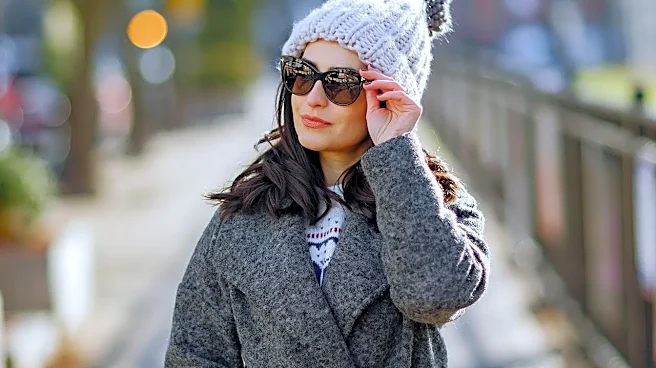
Sometimes, a plain coat is unavoidable. You can bridge the gap between your everyday black parka and your elaborate costume by using accessories. A well-chosen scarf, hat, or pair of gloves can tie the whole look together. For example, if your costume is based on a character with a signature color, like Harry Potter’s Gryffindor red and gold, a scarf in those colors worn over your coat keeps the character reference visible. A warm beanie can be part of a lumberjack costume or have ears attached to complete an animal look. These small, deliberate choices show that your outerwear was considered, making even a practical coat feel like part of a cohesive plan.