






Milan: The Art of Effortless Elegance
Milanese menswear is built on a foundation of 'sprezzatura'—a uniquely Italian concept of studied carelessness. It’s about looking impeccably put-together without ever seeming like you tried too hard. The wearability of the Milan wardrobe isn’t about being
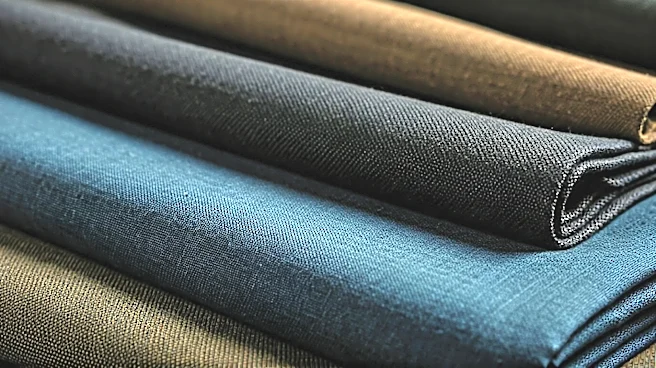
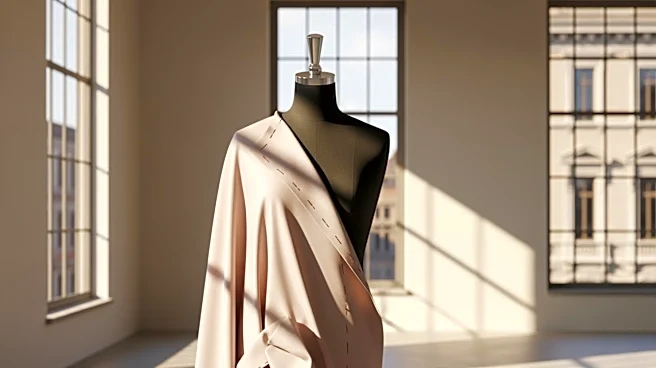
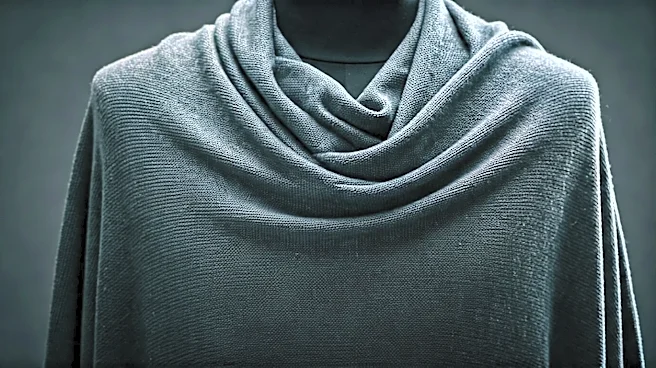
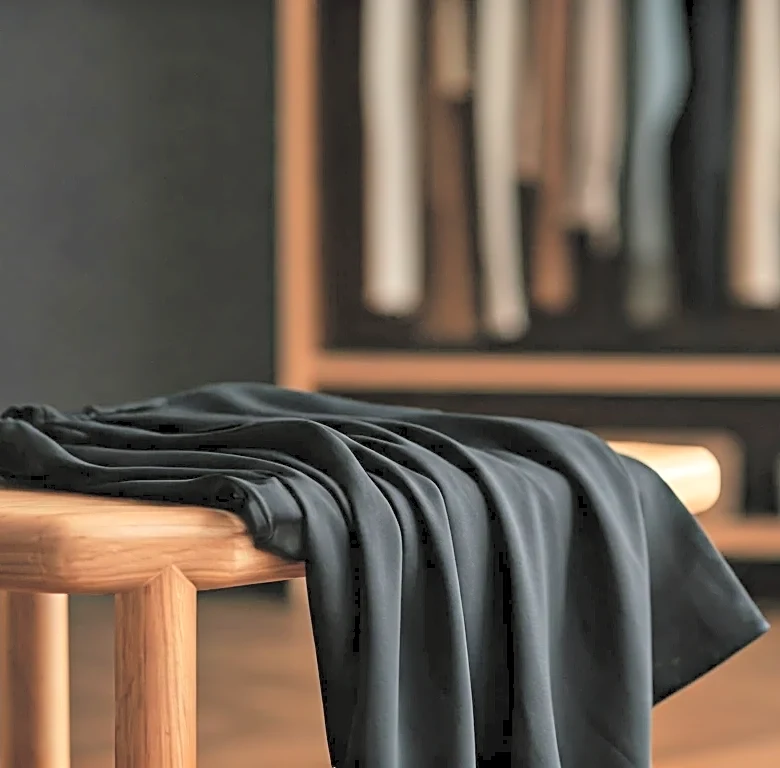
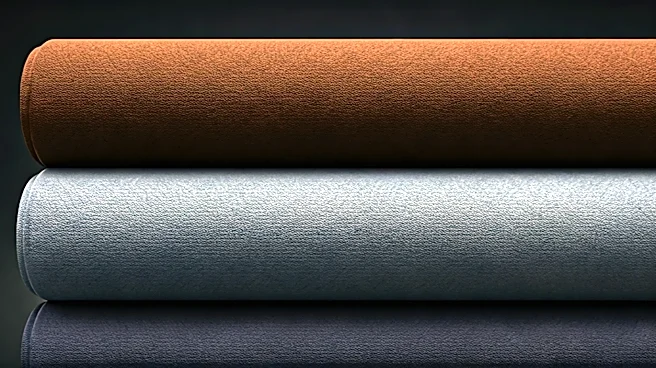
casual; it’s about being comfortable in exquisitely made clothing. Think of a softly constructed cashmere blazer that drapes over the shoulders like a cardigan, or trousers cut from such fine wool that they move with you, not against you. The uniform is rooted in artisanal quality. Brands like Zegna, Brunello Cucinelli, and Loro Piana are the standard-bearers, championing fabrics so luxurious they become the main event. Colors are often muted and earthy—camel, slate, olive, and endless shades of navy and beige—creating a palette that is both sophisticated and easy to mix. The Milanese man’s wardrobe is an investment in timelessness. The pieces are designed to be worn for decades, their value found in the quiet confidence that comes from superior materials and a perfect, relaxed fit. It’s wearable because it feels incredible against the skin and telegraphs a sense of established grace.
New York: The Hustle Made Manifest
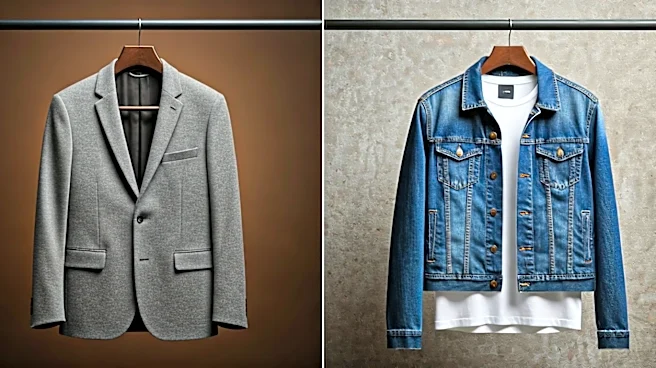
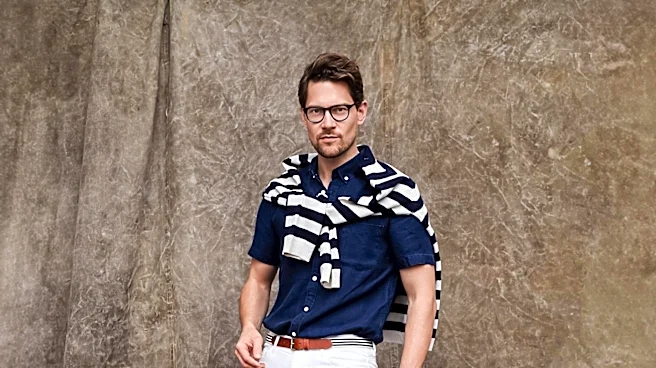
If Milan is about leisurely elegance, New York is about forward momentum. The NYC wardrobe is a direct reflection of the city’s relentless energy, where practicality is the ultimate luxury. Wearability here means versatility and durability. Can your outfit take you from a morning coffee meeting to a subway commute to an evening gallery opening without a second thought? New York style is rooted in American sportswear, workwear, and the dynamic energy of the street. It’s a masterful mix of high and low. You’ll see a perfectly tailored topcoat from a designer like Todd Snyder thrown over a simple hoodie, selvedge denim, and a pair of coveted sneakers. Heritage brands like Ralph Lauren set the tone, blending preppy polish with rugged Americana, while newer labels like Aimé Leon Dore have perfected the art of elevated streetwear. The New York wardrobe is pragmatic. It’s built on iconic, functional items: the bomber jacket, the field coat, the perfect white t-shirt, the durable chore coat. The wearability is tangible; these are clothes designed for movement, for utility, and for navigating the concrete jungle with an attitude of confident ease. It’s less about a whisper and more about a clear statement of purpose.
The Wardrobe Test: Office vs. Weekend
Let’s put these philosophies to a real-world test. For a modern, creative office, the Milanese approach might be an unstructured, unlined blazer in a knit fabric, worn with sharp trousers and leather loafers. It’s professional but prioritizes comfort and a certain tactile softness. The New Yorker, in contrast, might opt for an elevated wool chore coat over a button-down shirt, dark-wash jeans, and clean leather sneakers. Both are office-appropriate, but one prioritizes sartorial tradition while the other values utilitarian cool. Come Saturday, the difference is even clearer. The Milanese man’s weekend uniform could be a fine-gauge merino wool sweater, tailored chinos, and suede driving shoes—relaxed but still polished. He looks ready for an impromptu lunch at a smart cafe. The New York man’s weekend look is built around the perfect hoodie, a vintage-inspired baseball cap, relaxed-fit trousers or cargo pants, and the latest must-have Nikes. He’s dressed for comfort and cultural currency, ready to wander through SoHo or catch a game in Brooklyn. One version of wearable is about seamless elegance; the other is about functional expression.
Two Cities, Two Kinds of Confidence
Ultimately, the debate isn’t about which city produces more wearable clothes in an objective sense. Both Milan and New York offer complete, functional wardrobes. The real difference lies in the kind of confidence each style projects. The Milanese wardrobe is an internal language of luxury. Its confidence comes from the feel of the fabric, the perfection of the cut, and the knowledge that you are wearing something of lasting value. It’s a quiet, self-assured sensuality. New York style, on the other hand, is an external language of energy and relevance. Its confidence is projected outward, broadcast through a savvy mix of classic American archetypes and contemporary streetwear codes. It’s about showing you belong to the cultural pulse of the city. Choosing between them is less about fashion and more about personality: are you defined by understated refinement or by dynamic, pragmatic hustle?