



More Than Just Headwear
Before it was a fashion statement, the cowboy hat was a piece of essential equipment. Born from necessity in the American West, its high crown and wide brim were designed for survival, offering protection from scorching sun and sudden downpours. John
B. Stetson's 'Boss of the Plains' model from 1865 is often credited with standardizing the look, creating a durable, functional tool for the working cowboy. That practicality is the bedrock of its power. The hat is inseparable from the mythos of the American frontier—a landscape defined by rugged individualism, independence, and resilience. When someone puts on a cowboy hat, they are, in a small way, putting on that entire history. It’s a visual shorthand for a uniquely American story of self-reliance and grit.
From the Ranch to the Stage
The hat's journey into entertainment began with Wild West shows and early Hollywood, where it became an instant signifier for heroes and villains. Singing cowboys like Gene Autry and Roy Rogers solidified the connection between the hat and country music, using it to build a persona that felt authentic and rooted in Western tradition. For generations of artists, from Hank Williams's iconic white hat to the outlaw cool of Waylon Jennings's black one, the hat has served as a critical piece of visual branding. In the late '80s and '90s, the 'hat acts' like George Strait and Alan Jackson made the cowboy hat a non-negotiable part of the country superstar uniform. For these artists, the hat wasn't a costume; it was a declaration of genre identity, signaling an allegiance to the traditions of country music.
The Psychology of the Silhouette
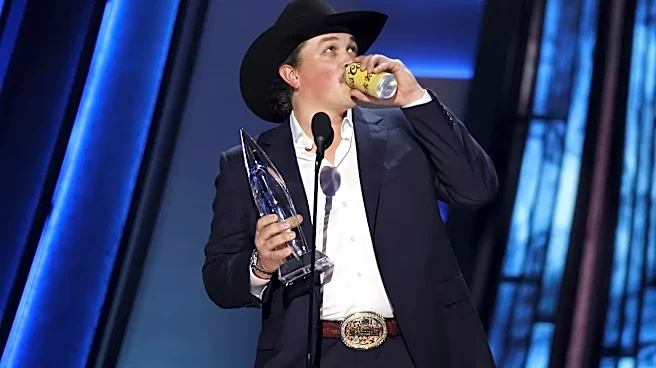
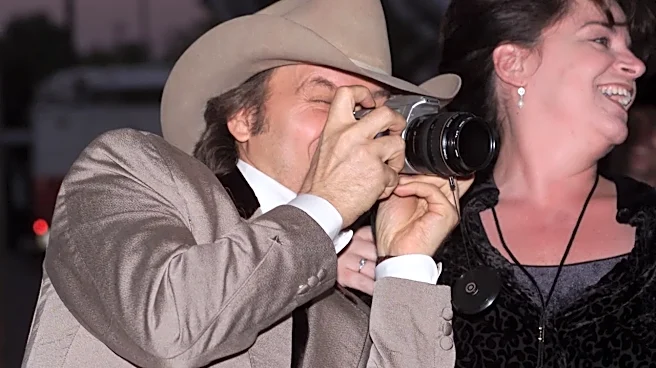
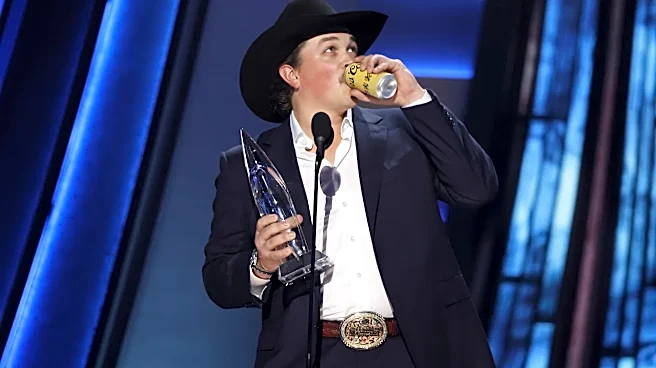
Fashion psychology tells us that clothing is rarely just clothing; it’s a tool for identity. The concept of 'enclothed cognition' suggests that what we wear can actively change how we think and behave. A cowboy hat does this dramatically. It changes the wearer's entire silhouette, drawing the eye and framing the face with an aura of authority and mystique. It’s a power statement. By donning the hat, an artist isn't just accessorizing—they are activating a set of cultural codes understood by the audience. It tells a story of authenticity, tradition, and a connection to the genre's roots before a single note is played. A simple suit is just a suit. A suit with a cowboy hat is a country artist's uniform, imbued with decades of meaning.
Authenticity, Irony, and Modern Identity
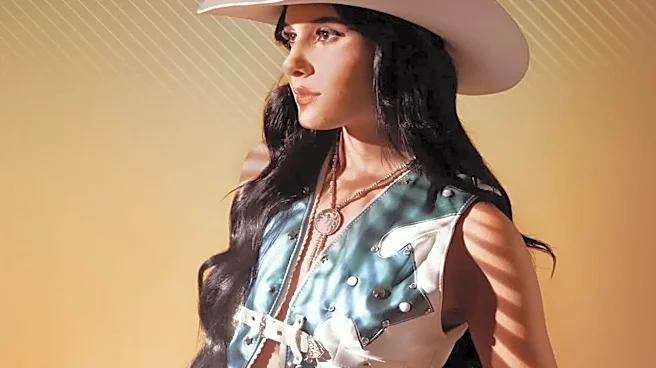
Today, the cowboy hat's role is more complex than ever. For artists like Cody Johnson, wearing the hat is a deliberate and proud representation of a real Western lifestyle he was once told to abandon to get a record deal. For others, it can be a nod to the genre's history or even a fashion-forward statement. Pop culture phenomena like the show 'Yellowstone' have created a new wave of interest in Western aesthetics. When artists outside the traditional country sphere, like Beyoncé or Post Malone, wear a cowboy hat, it becomes a powerful tool for commentary, homage, or genre-bending. The hat’s meaning is no longer singular. It can represent deep-rooted tradition for one artist and a postmodern play on identity for another. Its power lies in its ability to contain all these contradictions at once.