





The Blank Slate of Terror
The primary power of a mask is what it removes: humanity. Our brains are wired to read faces for intent, emotion, and connection. A mask erases all of that, leaving a void. This is most purely embodied by Michael Myers in 'Halloween'. His modified William
Shatner mask is famously devoid of expression. It’s a blank, white face that reflects nothing back at the victim or the audience, creating the sense that the killer is not a person but an unstoppable, unknowable force of nature—'The Shape', as he was credited in the original film. This dehumanization is terrifying because it removes the possibility of reason or empathy. You can’t plead with a blank slate. By stripping away facial cues, the mask transforms a human character into a symbol of pure, motiveless evil.
An Identity Forged in Fear
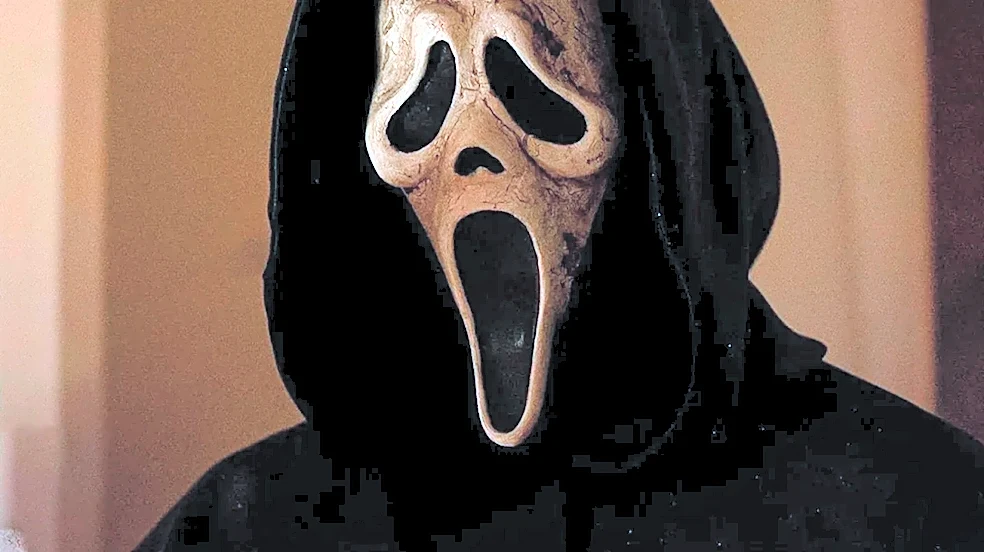
While some masks erase identity, others create a new, transferable one. The 'Scream' franchise’s Ghostface mask, inspired by Edvard Munch’s painting 'The Scream', isn’t tied to a single killer. Instead, it’s a persona that multiple characters adopt across the films. This masterstroke of plotting turns the mask itself into the villain. The threat is never truly gone because anyone could be behind that screaming visage. It plays on a modern, meta-textual fear: the enemy isn’t a supernatural monster, but the seemingly normal people around you. The mask becomes a symbol of the darkness that can hide within anyone, making the narrative a perpetual whodunnit and turning the very concept of a masked killer into a self-aware game with the audience.
A Brand You Can Scream About
Beyond their narrative function, masks are simply good business. They are the most recognizable and marketable element of a slasher franchise. Jason Voorhees wasn't truly an icon until he donned the hockey mask in 'Friday the 13th Part III'. That simple piece of sporting equipment transformed him from a generic backwoods killer into a horror legend. The mask is a visual shorthand, an instantly recognizable logo for fear that sells tickets, merchandise, and Halloween costumes. Filmmakers understand this power. The reveal of a new mask or a slight tweak to an old one can generate enormous fan excitement, ensuring the character’s longevity and cultural footprint long after the credits roll.
The Evolution of the Archetype
The masked killer trope is so ingrained in horror that modern filmmakers now find compelling ways to subvert it. Movies like 'You're Next' give us killers in unnerving animal masks, but the focus quickly shifts to the surprising resourcefulness of the protagonist, flipping the power dynamic. Others use the mask to explore different themes. In 'The Purge' series, masks are not just for hiding identity during a night of sanctioned violence, but for symbolizing the moral decay of an entire society. This evolution proves the trope is not static. It’s a flexible tool that creators can use to comment on everything from the loss of individuality to societal collapse, ensuring that even as the specific fears change, the unsettling image of a masked figure remains a potent and relevant symbol of terror.