



More Than Just Good Dribbling
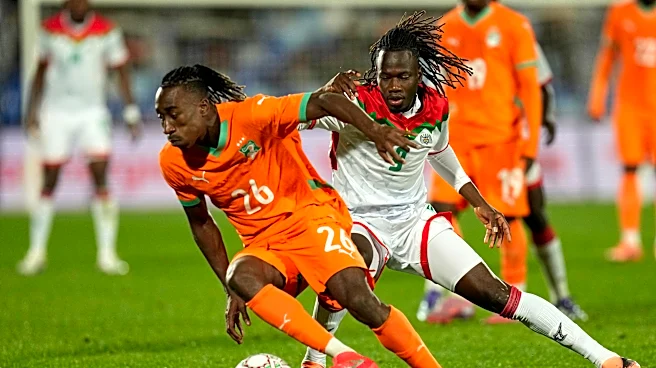
At its core, press resistance is a player's ability to receive the ball under pressure from one or more opponents and keep possession. This isn't just about fancy footwork or beating a player one-on-one in open space. It’s about what happens in the tightest, most chaotic moments of a match.Imagine a midfielder getting a pass with two opponents closing in fast. A player lacking press resistance might panic, take a heavy touch, and immediately lose the ball. A press-resistant player, however, seems to have more time. They use their body to shield the ball, absorb contact without losing balance, and use a deft touch or a subtle turn to escape the pressure and find a teammate. It’s about composure, control, and tactical intelligence all rolled into
one fluid action. It’s the art of turning a dangerous situation for your team into a promising one.
The Three Pillars of Press Resistance
This seemingly magical ability isn’t magic at all. It’s a combination of three distinct skill sets working in perfect harmony:1. **Technical Skill:** This is the foundation. It includes an immaculate first touch that brings the ball under complete control instantly, rather than letting it bounce away. It also involves close-quarters dribbling—the ability to manipulate the ball in a tiny radius, using feints and quick shifts of direction to unbalance an opponent.2. **Physical Attributes:** You don’t have to be a giant, but you need functional strength. Press-resistant players have incredible core strength and balance, allowing them to hold their ground when a defender tries to shove them off the ball. A low center of gravity is often a huge advantage, letting them twist and turn with stability.3. **Mental Awareness (Soccer IQ):** This is what separates the good from the elite. Before the ball even arrives, a highly press-resistant player has scanned the field, knows where the pressure is coming from, and has already identified their escape route—be it a simple pass, a space to dribble into, or a teammate in a better position. It’s this pre-emptive thinking that makes their actions look so effortless.
The Antidote to Modern Soccer
So why has this term exploded in popularity over the last decade? Because tactics have demanded it. The rise of high-intensity pressing systems—popularized by coaches like Jürgen Klopp (“Gegenpressing”) and Pep Guardiola—is designed to force turnovers high up the pitch. These systems are built to suffocate opponents, swarm the player on the ball, and win it back in dangerous areas.Press resistance is the ultimate countermeasure. A team full of players who panic under pressure will crumble against a high press, constantly giving the ball away and inviting wave after wave of attacks. But a team with one or two highly press-resistant players, particularly in the midfield, can break that system. By evading the first line of pressure, that player instantly takes multiple opponents out of the game, creating space and numerical advantages for their team further up the field. In short, press resistance is the key that unlocks the high-press cage.
The Modern Masters of the Craft
When you want to see press resistance in action, certain players are living highlight reels. FC Barcelona’s Frenkie de Jong is a prime example; his signature move involves receiving the ball, inviting pressure, and then using a sudden burst or a deceptive body feint to glide past opponents. Real Madrid’s Luka Modrić has built a legendary career on it, using the outside of his foot (his famous “trivela”) to manipulate the ball in ways defenders can’t predict.Looking at younger stars, Germany’s Jamal Musiala is a master of wriggling out of tight spaces with his slender frame and incredible close control. Going back a generation, players like Andrés Iniesta and Zinedine Zidane were the gold standard. They could dictate the tempo of a game simply by being impossible to dispossess. Watching them is like watching a master chess player who is always three moves ahead, but on a soccer field.