


The Show Within the Show
Imagine the scene: a darkened room, a pulsing soundtrack, and a parade of models gliding down the runway. The audience, a sea of phones and discerning eyes, is there for the clothes. But this season, their focus was often pulled elsewhere. At Sandy Liang’s
Spring/Summer 2027 show, while the ruffled track pants and sheer lace dresses were lovely, it was the whimsical accessories that stole the spotlight. Models sported vibrant ballet flats, shoes shaped like bunnies with gemstone eyes, and leg warmers with trailing ribbons. Similarly, at the Sabyasachi show, the return of the celebrated Indian designer was marked by relatively understated denim and Western-wear. The clothing was the canvas; the jaw-dropping, solid-gold and gemstone jewelry, a collaboration with The Metropolitan Museum of Art, was the masterpiece. It was a clear signal: the most memorable part of the look wasn't always the look itself.
It’s All About the ‘It’ Item
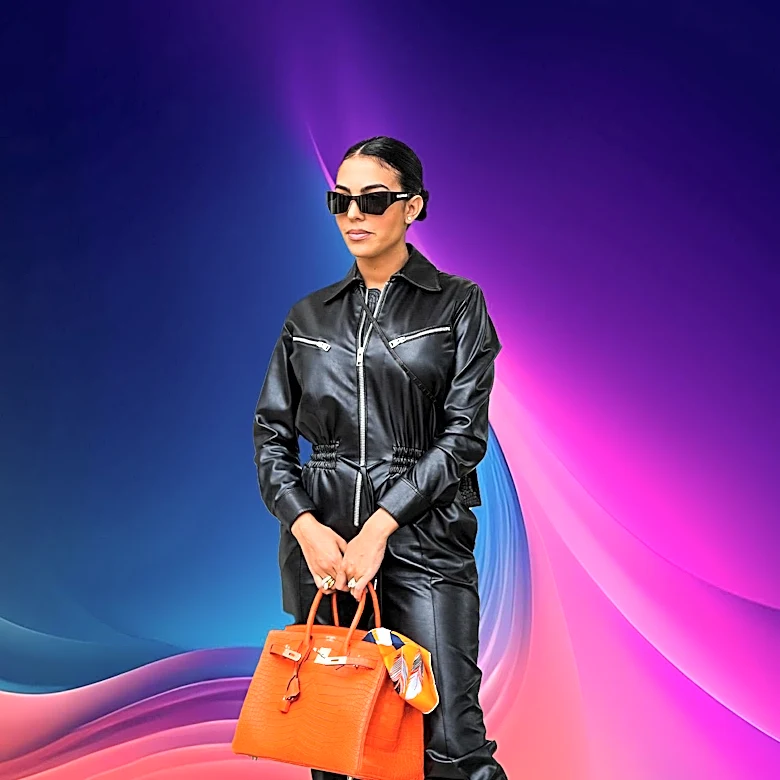
This isn't an accident; it's a calculated business strategy. For luxury brands, accessories like handbags, shoes, and jewelry are often the most profitable items. They are more accessible to a wider range of consumers than a four-figure runway dress, both in price and sizing. A statement accessory is also easier to market. It’s a single, digestible, and highly desirable object that can go viral on social media, becoming the season's coveted “It” item. A single, show-stopping bag or a pair of unforgettable shoes can generate more buzz and revenue than an entire ready-to-wear line. Designers know that while the avant-garde clothing on the runway builds the brand's creative credibility, the accessories are what often pay the bills. This dynamic turns the runway into a clever showcase where the clothes act as a beautiful backdrop for the true commercial stars.
From Accent to Anchor
For years, accessories were treated as just that—an addition to complete an outfit. Now, they are increasingly the anchor. This shift is visible in both their design and styling. At NYFW, designers used accessories to define the entire mood of their collections. Ralph Lauren and others championed the return of the low-slung belt, instantly changing the silhouette of a look. Brooches, once a subtle flourish, are now a major styling tool, pinned on blazers, coats, and even other accessories to add a personal touch. Across the board, from oversized necklaces at LaQuan Smith to the dramatic ruffs at Collina Strada, accessories are no longer whispering—they're shouting. This move toward maximalist, personality-driven pieces reflects a broader trend where self-expression is valued over cookie-cutter perfection.
Designed for the Digital Age
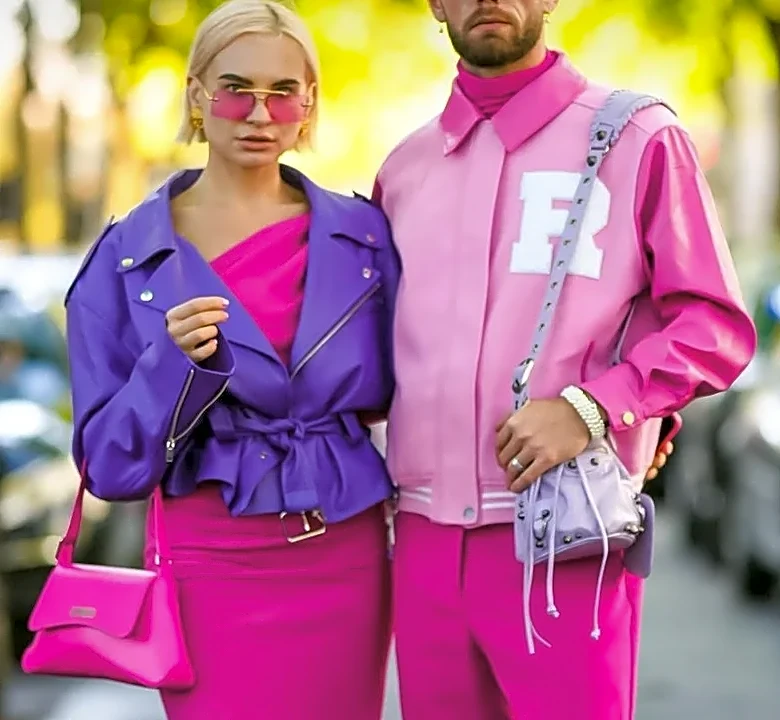
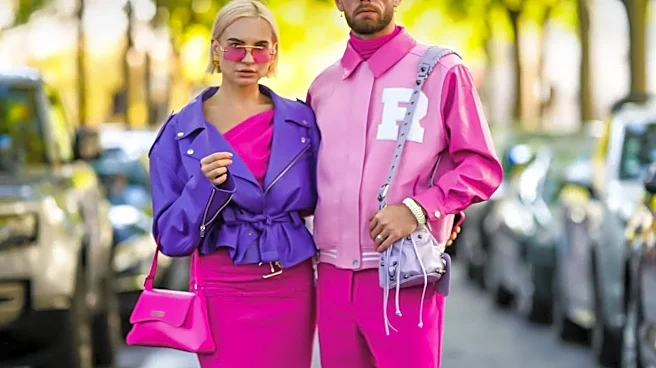
The rise of the statement accessory is perfectly suited for our visual, digital culture. An unusual bag, a sculptural earring, or a brightly colored shoe is instantly shareable content. It’s easy to capture in a photo, pops on a crowded social media feed, and becomes a clear object of desire. A simple dress, no matter how beautifully crafted, can get lost in the digital noise. But a quirky, eye-catching accessory is primed for its close-up. Designers are increasingly creating pieces that feel made for the unboxing video or the street-style photo gallery. The accessory has become the ultimate vehicle for a brand's message, condensing its entire aesthetic into a single, sellable, and instantly recognizable product. It’s fashion's version of a Trojan horse: a beautiful object that carries a brand’s entire world inside it.