





Marvel’s Grand Tapestry
For Marvel Studios, the Comic-Con playbook is all about the big picture. For over a decade, their strategy has been to present fans with a sprawling, interconnected roadmap, neatly packaged into “Phases.” It’s a masterful piece of marketing that transforms
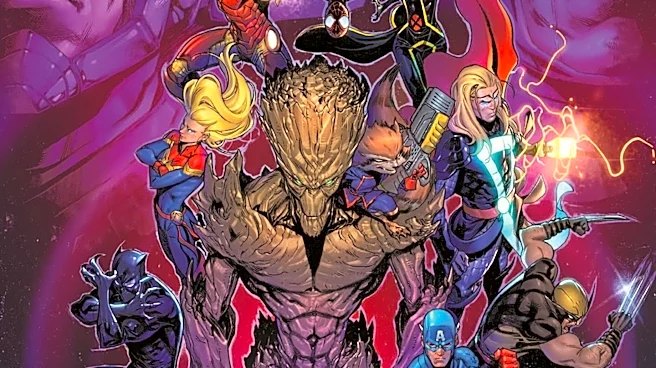
individual movies into can’t-miss chapters of a larger saga. When Marvel takes the stage, the expectation isn't just for one trailer; it's for a graphic showcasing a slate of films and series stretching years into the future. This approach does more than just generate excitement; it projects an aura of supreme confidence. By announcing titles like Avengers: Doomsday and Avengers: Secret Wars years in advance, Marvel tells its audience to trust the journey. It creates a powerful sense of narrative momentum, where even a smaller-scale film feels essential because it’s a puzzle piece in a grander design. This long-term planning has been a cornerstone of their success, turning each release into an event and fostering a dedicated viewership that is invested in the entire universe, not just a single hero.
DC’s Curated Collection
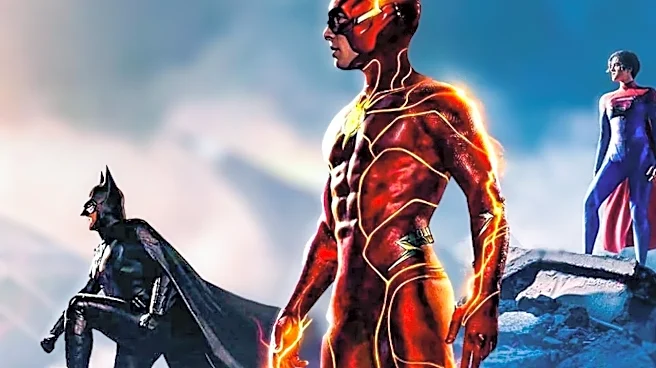
Across the aisle, DC Studios, under the leadership of James Gunn and Peter Safran, has dramatically pivoted. The new strategy is less about a rigid, interlocking calendar and more about a curated collection of films. The focus has shifted to delivering strong, director-driven stories first and worrying about connectivity second. This is a direct response to the previous era's struggles, where a rush to build a connected universe often came at the expense of individual film quality. Now, the mantra seems to be “one great film at a time.” A key part of this strategy is the formal embrace of the "Elseworlds" label, which gives creators the freedom to tell stories like The Batman Part II or Joker: Folie à Deux without being shackled to the main DCU canon. This allows for tonal diversity and creative risk-taking—from a body-horror take on Clayface to a gothic Swamp Thing movie—that might not fit within a single, unified narrative. It’s a bid to win back audience trust by promising quality over mere quantity.
Confidence vs. Craft
The two approaches reflect the different positions each studio occupies. Marvel’s phase-based reveals are a flex of earned confidence. They built a universe that consistently delivered, and now they can trade on that long-term trust, assuring fans that every thread will eventually be woven into the final tapestry. The reveals are a promise of narrative cohesion and a spectacular destination. It’s a top-down approach that says, “We have a plan, and it’s going to be epic.” DC’s strategy, by contrast, is a bottom-up focus on craft. After the recent box office struggles of films like Supergirl, the studio seems to understand that it needs to re-earn audience faith on a film-by-film basis. Pitching standalone projects allows them to highlight the unique vision of a director like Matt Reeves or James Mangold. It tells the audience to get excited about this movie, made by this creator, rather than asking for blind faith in a multi-year plan. It’s a more cautious, but arguably more artist-centric, way to build a world.
Winning the Hype War
At a massive fan event, these playbooks create very different kinds of energy. Marvel’s Hall H panels are designed for shock and awe, often culminating in a massive slate reveal that dominates the news cycle for days. The goal is to present an overwhelming amount of future content, leaving fans with a sense of boundless possibility and a full calendar to look forward to. DC, on the other hand, seems to be targeting more focused, potent bursts of excitement. Their recent convention presence has been more about creator signings and deep dives into specific comics or characters. Instead of a ten-film slate, their winning moment might be a single, stunning trailer for an Elseworlds film or a passionate, in-depth explanation of a new character's direction from Gunn himself. One strategy aims to win the war with a massive army; the other aims to win it with a series of decisive, strategic strikes.