








A Beacon in the 'Dark Ages'
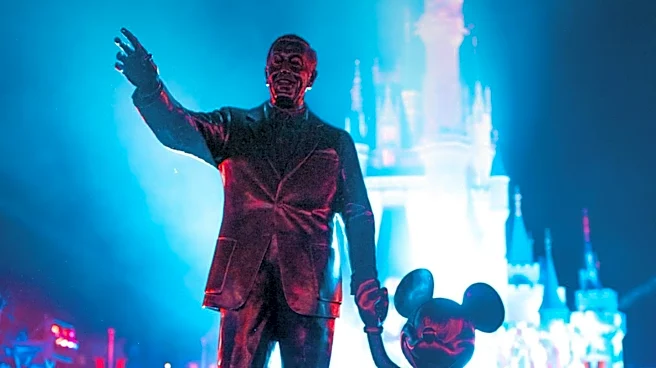
The decade following Walt Disney's death in 1966 is often called the 'Bronze Age' or even the 'Dark Ages' of Disney animation. Films like The Aristocats (1970) and Robin Hood (1973), while having their fans, were seen by many as lacking the ambition and emotional
depth of earlier classics. The studio was struggling to find its creative footing without its visionary founder. The Rescuers changed that. It was a critical and commercial smash hit, becoming the first major animation success for Disney since The Jungle Book a decade earlier. More importantly, it marked a return to the kind of heartfelt, dramatic storytelling found in films like Bambi and Dumbo, proving the studio could still create magic without Walt at the helm. Animators Frank Thomas and Ollie Johnston called it their best film without Walt and a return to a story with "heart."
A New, Moodier Aesthetic
Visually, The Rescuers stood apart. While earlier films of the era used the scratchy, hard lines of early xerography, The Rescuers benefited from an improved process that allowed for softer, gray outlines instead of harsh black ones. This gave the film a richer, more atmospheric quality that suited its darker themes of kidnapping and exploitation. The opening credits alone were a major innovation, using dramatic camera movements over still paintings to create a cinematic feel that was new for the studio. This wasn't just a technical upgrade; it was an artistic choice. The moody swamps of Devil's Bayou and the melancholy of the orphan Penny gave the film an emotional maturity that resonated with audiences and signaled a shift away from pure comedy.
The Changing of the Guard
The film's most significant impact was arguably felt behind the scenes. The production of The Rescuers was a unique moment in Disney history where the old guard and the new guard worked side-by-side. It was the final film for some of Walt's legendary "Nine Old Men," like Milt Kahl, and the last joint effort for veterans Frank Thomas and Ollie Johnston. These seasoned masters used the production to train a new generation of animators who had been recruited in the mid-1970s. A young Glen Keane was mentored by Johnston, while Don Bluth (who would later found his own rival studio) took on his first role as a directing animator. This passing of the torch was crucial, ensuring that the foundational knowledge of Disney animation was preserved while being infused with new energy and talent.
Paving the Way for a Renaissance
The animators who cut their teeth on The Rescuers would go on to define the studio's future. Glen Keane, Ron Clements, and Andy Gaskill were all key figures on the film who would later become the architects of the Disney Renaissance, the celebrated period from 1989-1999 that produced hits like The Little Mermaid, Beauty and the Beast, and The Lion King. The Rescuers provided the financial success and, more importantly, the creative confidence and trained personnel needed for the studio to take bigger risks. It demonstrated that there was still a massive audience for epic, emotional animated storytelling. Without the bridge that The Rescuers built—connecting the Silver Age to the Renaissance—the landscape of modern animation might look very different.