



Not Just a Preshow
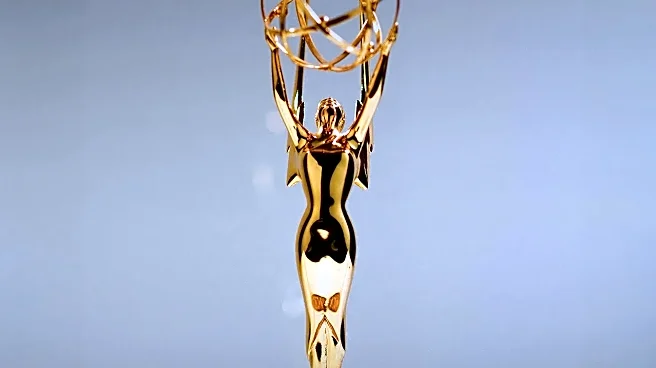
Let's get one thing straight: the Creative Arts Emmys are not a minor opening act. They are the main event in terms of sheer volume. Over a two-night ceremony held this year on September 5 and 6, the Television Academy hands out the overwhelming majority
of its awards. While the primetime broadcast on September 14 will feature about 19 categories, the Creative Arts ceremonies award over 100 trophies. These ceremonies honor the incredible artistic and technical achievements that are the foundation of modern television, from casting and choreography to cinematography and sound editing. In fact, the Television Academy recently moved several major writing, directing, and acting awards from the primetime show to the Creative Arts weekend, further cementing its importance.
A Symphony of Specialists
Think about the last show you binged. You remember the lead actor’s performance, but what about the world they inhabited? The Creative Arts Emmys celebrate the people who built that world from the ground up. Categories like Outstanding Production Design For a Narrative Program and Outstanding Fantasy/Sci-Fi Costumes are where the visual identity of a show is born. This is where the prosthetic makeup artists who transform actors, the sound mixers who build tension with every subtle noise, and the cinematographers who paint with light get their due. These are not just technical prizes; they are awards for world-building. Shows known for their distinctive aesthetics often clean up here, demonstrating that a series's success is about much more than its script or stars.
Where Every Department Gets a Spotlight
The Primetime Emmys, by design, are focused on the most visible roles: lead actors, supporting actors, and the shows themselves. It creates a narrow, star-driven narrative of how television is made. The Creative Arts Emmys blow that narrative wide open. Here, a brilliant stunt performer, a game-changing title sequence designer, or an innovative hairstylist shares the same stage. This year, winners included Alan Cumming for hosting "The Traitors," the choreographers behind Bad Bunny's Super Bowl halftime show, and Octavia Spencer for her narration work. It's a celebration that acknowledges that the person editing a scene in a dark room for weeks is just as crucial to the final product as the director who shot it. This is where the true collaborative nature of the medium is honored.
The Unsung Engine of Television
While a few Creative Arts categories make headlines—like those for Guest Actor and Guest Actress—the vast majority of winners are names the public might not recognize. But they are the backbone of the industry. These are the artisans who ensure a period drama's costumes are historically accurate, a reality show's narrative is compellingly edited, and a sci-fi epic's visual effects feel real. Without their collective effort, the performances that get all the attention wouldn't land with the same impact. The Creative Arts Emmys serve as a vital reminder that great television is not the product of a few famous individuals, but the result of a massive, coordinated effort by a team of hundreds, sometimes thousands, of skilled professionals.