


The Man Who Invented American Glamour
To understand the weight of that statement, you have to understand the world Bill Blass entered. Born in Indiana in 1922, he grew up dreaming of the glamour he saw in Hollywood films. When he arrived in New York to make his name, American fashion largely
existed in the shadow of Parisian couture. For a designer, the “safe” route was clear: create competent, often anonymous, copies of what was successful in Europe. Blass, however, had a different vision. After serving in the Army’s creative and deceptive “Ghost Army” during World War II, he returned not with an ambition to imitate, but to innovate. He worked his way up through the garment district, eventually buying the company he worked for in 1970 and relaunching it as Bill Blass Limited. He wasn’t interested in being a back-room sketch artist; he was determined to put his own name, and his own ideas, front and center.
What Did 'Safer' Even Mean?
In the context of mid-century fashion, “safer” meant ornate, structured, and dictated by European trends. It meant fashion as an inaccessible art form, often requiring a lady's maid to even get dressed. Blass’s radical, “unsafe” idea was to reject this entirely. He championed American sportswear—a category focused on separates, ease of movement, and practicality. At the time, this was seen as a less prestigious path; the very idea of creating “wearable” clothes was almost an insult in the high-minded world of haute couture. Blass saw it differently. He believed that the modern American woman—active, working, and confident—needed clothes that fit her life. His vision was to infuse the practicality of sportswear with an undeniable glamour, blurring the lines between day and evening wear.
Confidence Through Comfort
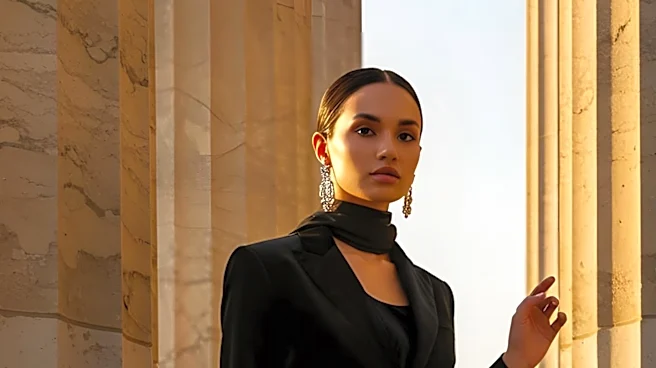
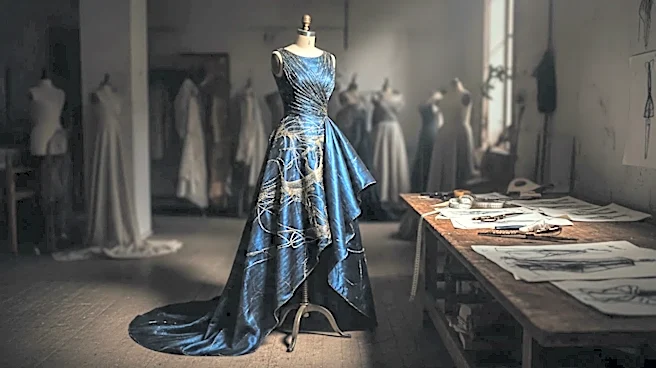
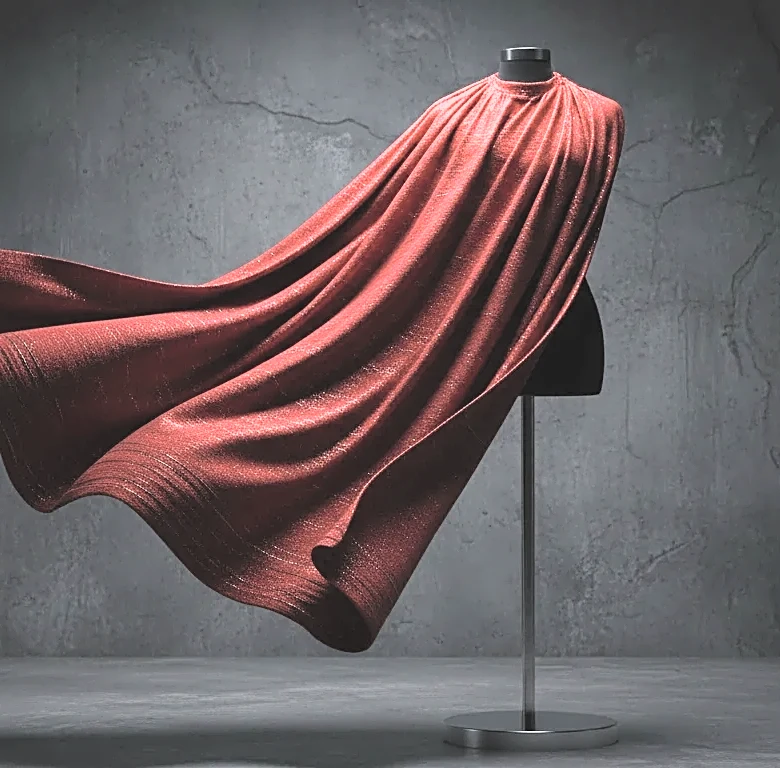
Blass’s design philosophy was revolutionary in its simplicity: “No woman can be well dressed unless she is comfortable in what she is wearing.” His genius was in the execution. He would take a simple silhouette, like a pea coat, and render it in luxurious white mink. He paired casual cashmere sweaters with dramatic ball skirts. He was the first to bring traditionally menswear fabrics like houndstooth and pinstripes into womenswear, creating a look that was both powerful and chic. His clothes were never meant to overpower the person in them. Instead, they were designed to give confidence. His clients, who included First Ladies like Nancy Reagan and icons like Gloria Vanderbilt, weren't just buying dresses; they were buying a sense of relaxed, all-American elegance that felt both modern and timeless.
The Ultimate Victory: A Lifestyle Empire
The irony of Blass’s rebellion against “safer” commercial instincts is that it made him a titan of industry. While his couture runway shows served as glamorous advertisements, the real engine of his success was his pioneering use of licensing. By the 1990s, the Bill Blass name was on over 90 different products, from menswear and fragrances to luggage and even chocolates, generating more than $700 million a year in sales. He became one of the first American designers to truly brand himself, turning his name and his charming, urbane persona into a symbol of classic good taste. In betting on his own “unsafe” vision of American style, he proved that what the market truly wanted wasn't a pale imitation of Paris, but something authentic, confident, and unapologetically American.