


The Two Stages: In the Room and On the Screen
Imagine being inside Nashville's Ryman Auditorium for the Americana Honors & Awards. You’re experiencing the show as a whole: the energy of the crowd, the sound bouncing off the wooden pews, the full picture of the artists on stage. You choose where to look.
It’s a communal, wide-angle experience. But the broadcast viewer at home has an entirely different, and arguably more curated, journey. The director and camera operators are making thousands of tiny decisions, cutting from a wide shot of the stage to a specific player and, most impactfully, to a tight close-up. This isn’t just documentation; it’s an act of interpretation that builds a specific emotional narrative for the millions watching at home.
The Grammar of the Camera
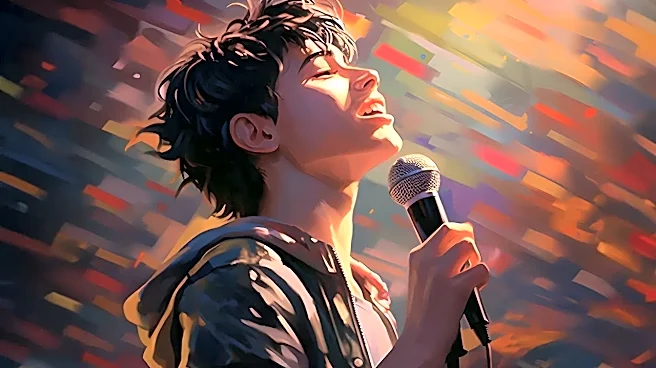
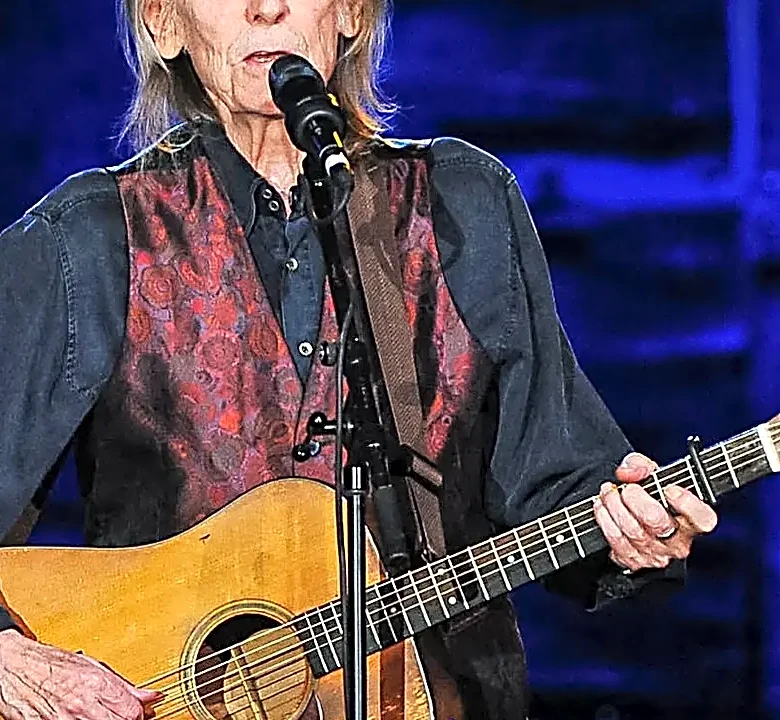
In filmmaking, camera placement is grammar. A wide shot is a sentence establishing the scene. A medium shot introduces the characters. But a close-up is an exclamation point. It forces intimacy, pulling the viewer directly into a performer’s personal space. When a director cuts to a close-up during a song, they are telling you what to feel. Is it a shot of a weathered hand gripping a guitar neck? You’re meant to feel the history and effort in the music. Is it a tight frame on the singer’s face, eyes closed, lost in the lyric? You’re being invited to share in their vulnerability. These shots create a one-on-one connection that doesn't exist in the same way for the live audience.
A Case Study in Connection
At the recent 2026 Americana Awards, several performances offered a masterclass in this technique. Consider the tribute to Dolly Parton, where Brandi Carlile joined I'm With Her for a rendition of "Coat of Many Colors". While the wide shot established the powerhouse collective on stage, the director could heighten the song’s tender narrative with specific cuts. A close-up on Sarah Jarosz’s face as she sings about a mother's love, or on Sara Watkins' fingers precisely finding a note on the fiddle, reframes the performance. It’s no longer just a song being sung; it becomes a series of intimate, emotional gestures. Similarly, during Molly Tuttle's acoustic performance of her song "Rosalee," a close-up on her famously intricate guitar work would emphasize her virtuosity, while a tight shot of her face would underscore the song's dark, narrative core.
Why It Works for Americana
This technique is particularly potent for the Americana genre, which prides itself on storytelling, authenticity, and lyrical depth. Unlike a pop spectacle that might rely on dance routines and grand visuals, an Americana performance often lives or dies on the raw emotion of its delivery. The genre is full of songs about hardship, love, and quiet truths. A close-up feels like someone leaning in to tell you a secret. When Mike Campbell of the Heartbreakers choked back tears during the band’s Lifetime Achievement honor, a close-up wouldn't just show his emotion, it would make it the entire story for that moment. The camera isolates the human element, stripping away the stage and the lights to focus on the story etched on a face or the tremor in a voice, creating an illusory intimacy that feels profoundly real.