


The Post-Streetwear Pendulum
For the better part of a decade, menswear was dominated by the sneaker. Hype-driven, logo-heavy, and relentlessly novel, streetwear became the default language of luxury. But fashion, like all culture, is cyclical. The persistence of the dress shoe on the runways
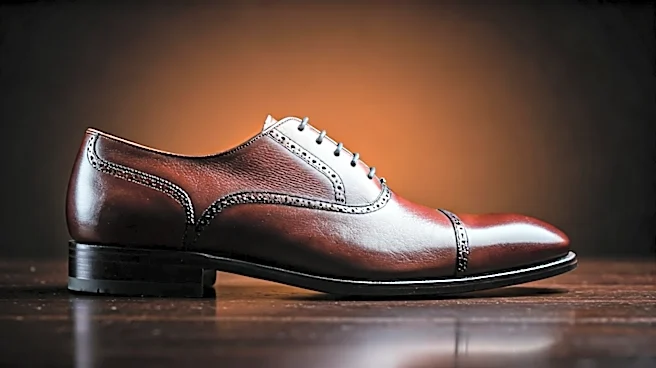
of Zegna, Prada, and Gucci represents a deliberate swing of the pendulum. It’s a quiet rebellion against the churn. Where the hype sneaker screamed for attention with its limited drops and loud designs, the polished leather loafer or derby whispers of something more permanent. It’s a movement industry insiders call “quiet luxury”—a focus on impeccable materials, timeless design, and subtle confidence over conspicuous branding. The dress shoe is the foundational piece of this new mood, an anchor of maturity in a sea of adolescent energy.
You Can't Separate the Shoe from the Suit
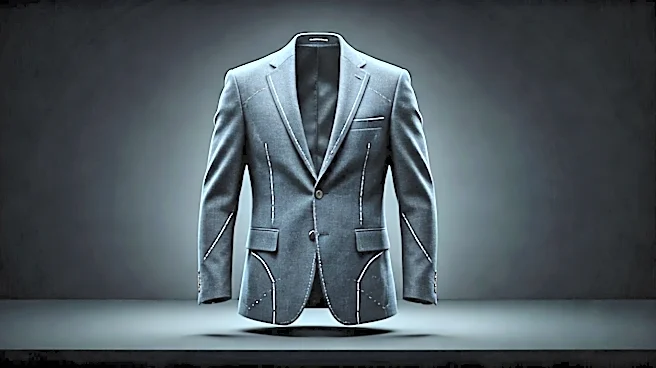
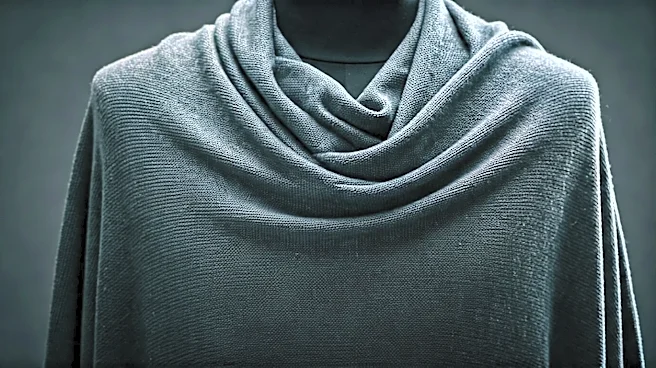
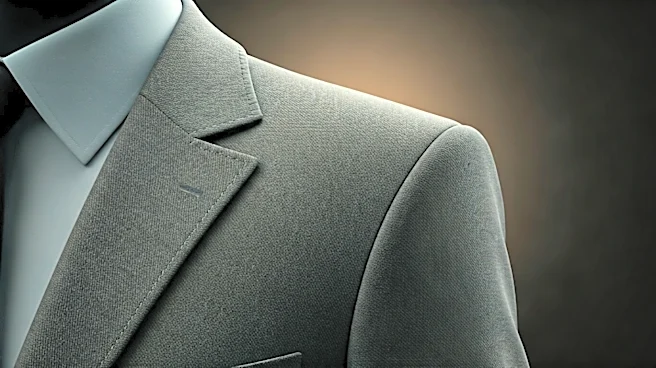
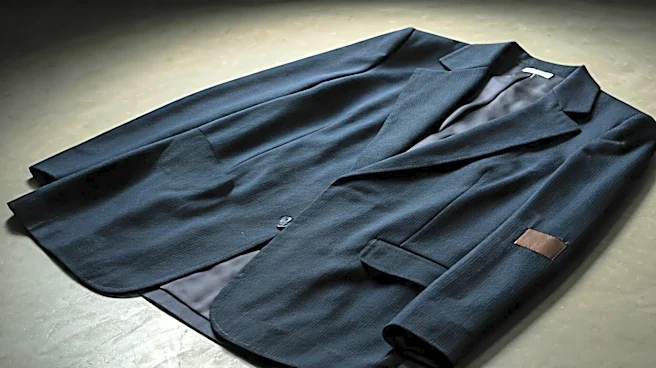
Footwear doesn't exist in a vacuum. The resurgence of the dress shoe is inextricably linked to another major Milanese trend: the return of tailoring. After years of hoodies and track pants, designers are once again exploring the power and elegance of the suit. But these aren’t your father’s rigid corporate uniforms. Today's suits, as seen at Fendi or Tod's, are softer, more fluid, and draped with a relaxed elegance. A bulky, athletic sneaker would create a jarring disconnect with this new silhouette. The sleek profile of a leather shoe—be it a classic oxford, a versatile loafer, or a buckled monk strap—is essential to completing the look. It grounds the softer tailoring and elongates the leg, creating the intended elegant line. The shoe isn't just an accessory; it's a structural necessity for the way men are being encouraged to dress now.
Redefining Formality for a New Era
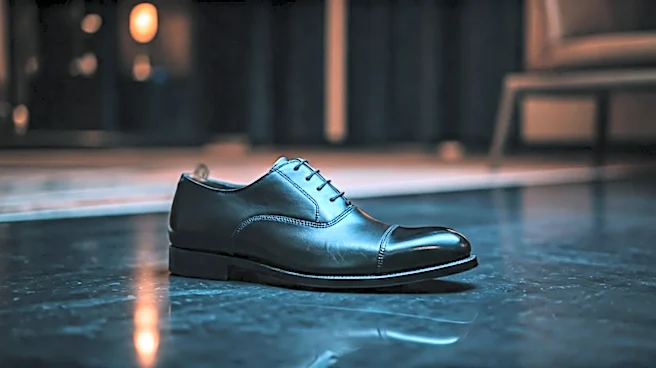
This isn't a simple return to the stiff dress codes of the 20th century. The “dress shoe” being championed on the runway is an evolved species. Designers are playing with its DNA, creating hybrids that are both formal and modern. Prada, for example, has made the chunky-soled loafer a modern icon, adding a rebellious, almost punkish weight to a preppy staple. Elsewhere, you see derbies with exaggerated lug soles, oxfords crafted from unconventional fabrics, and loafers designed to be worn without socks, collapsing at the heel for a touch of nonchalant Italian flair, or *sprezzatura*. This isn't about forcing men back into uncomfortable, rigid footwear. It’s about offering a sophisticated alternative to the sneaker that feels relevant, versatile, and expressive for a man who wants to look sharp without looking stuffy.
A Quiet Statement on Longevity
Perhaps the most potent defense of the dress shoe is what it represents: craft, quality, and longevity. In a world grappling with the environmental and ethical fallout of fast fashion, a well-made dress shoe is an anti-trend statement. A Goodyear-welted leather shoe is not a disposable item; it’s an investment. It can be cared for, polished, and, most importantly, resoled, extending its life for decades. This stands in stark contrast to the lifecycle of many modern sneakers, which are often made from composite materials that are difficult to recycle and designed to be replaced by the next “must-have” model. By putting beautifully crafted leather shoes on the runway, Milanese designers are championing an ethos of “buy less, but better.” They are defending not just an object, but an idea of value that endures.