


An Acoustic Fishbowl
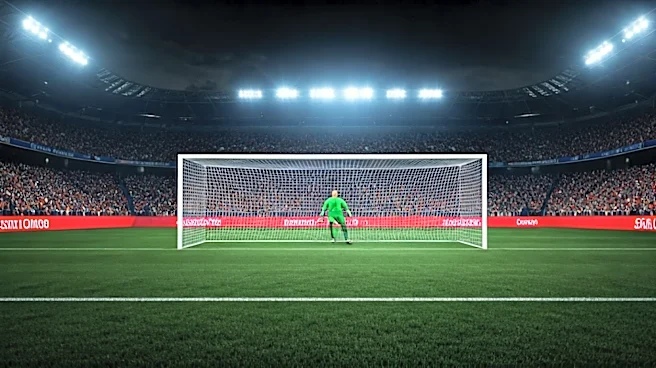
Imagine standing in the mouth of a cave, where every distant shout and murmur is gathered and funneled directly into your ears. That’s the reality for a goalkeeper. The C-shape of the goal area and the stadium’s architecture often create a unique acoustic
environment. While a midfielder might hear the crowd as a general roar, a keeper can often pick out individual voices—the taunts from fans behind the goal, the screams of encouragement, and the tactical shouts from their own bench. This auditory onslaught can be overwhelming. Studies have shown that negative crowd noise can decrease accuracy in precision tasks, which is a goalkeeper’s entire job. They must learn to filter this noise, using it for fuel or blocking it out entirely to maintain concentration.
The Brain of a Specialist
It turns out, the cliché that goalkeepers are just 'different' has a scientific basis. Research has shown that goalkeepers actually process sensory information differently from outfield players. A study published in Current Biology found that keepers have a narrower 'temporal binding window,' meaning their brains are faster and more precise at estimating the timing of audiovisual cues—like seeing a foot strike a ball and hearing the impact. Interestingly, the study also suggested that goalkeepers have a greater tendency to separate sensory signals rather than integrate them. This might be a result of training, where they must make split-second decisions based on incomplete or conflicting information, like the flight of a deflected shot.
The Pressure of Isolation
For long stretches of a match, a goalkeeper can be a lonely spectator. While the action unfolds at the other end of the field, they are left alone with their thoughts, the ambient noise of the crowd, and the weight of what-ifs. This isolation is a strange mix of boredom and high alert. Some keepers, like Arsenal's Aaron Ramsdale, have openly admitted to struggling with 90 minutes of pure concentration, using interactions with the crowd to break up the monotony and reset their focus. But this solitude is shattered in an instant. When the opposition breaks through, the keeper goes from the loneliest person in the stadium to the absolute center of attention. Every eye, every camera, and every ounce of hope or dread is fixed on them.
The Focal Point of All Emotion
No other player’s individual actions are as directly tied to the ultimate success or failure in a soccer match. An outfielder can miss a pass or a tackle, and the play continues. When a goalkeeper makes a mistake, the ball is usually in the back of their net. This binary nature of the position—hero or villain, in a split second—makes them a magnet for the stadium's collective emotion. The roar after a spectacular save is a personal coronation. The eruption of noise from the away fans after a conceded goal is a direct, personal indictment. This is why mental resilience is considered a keeper's most vital tool. Techniques like controlled breathing, positive self-talk, and visualization are not just buzzwords; they are essential survival mechanisms for handling the immense psychological load.