



The Challenge: Ethereal vs. Architectural
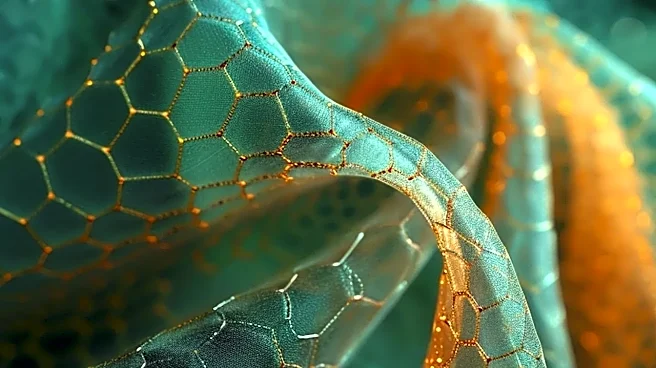
Transparent fabrics like chiffon, tulle, and organza are loved for their delicate, airy quality. By nature, they are lightweight and prefer to drape softly. This creates a fundamental conflict for designers who envision a garment with both sheerness and a defined
silhouette—think of a crisp, voluminous sleeve or a sharply flared skirt. The core challenge is to introduce structure without adding visible weight or bulk, which would defeat the purpose of using a sheer fabric in the first place. Every internal component, from seams to supports, risks being seen through the material, forcing designers to rely on techniques that are as clever as they are invisible.
The Invisible Foundation: Underlining and Interfacing
One of the most common solutions is to use another sheer fabric as a hidden support layer. Instead of traditional, opaque interfacing that would show through, designers often turn to silk organza. By cutting a second layer of organza and sewing it to the main fabric piece, they create what's called an underlining. This gives the fashion fabric more body and stability without sacrificing its translucent quality. This technique provides just enough support for collars, cuffs, and plackets while remaining imperceptible. In some cases, designers will simply use multiple layers of the same sheer fabric, as layering builds opacity and structure in a natural, intentional way.
The Hidden Skeleton: Boning and Cording
For truly dramatic, architectural shapes, especially in bodices and corsets, designers employ boning. These thin strips of plastic or steel are sewn into channels within the garment's lining to create an internal skeleton. Boning is what allows a strapless bodice to stand up on its own, providing support and maintaining a smooth, sculpted shape as the wearer moves. In high-end couture, this internal structure is a complex art form, often built as a separate corselette that the sheer outer layers are draped over. This ensures the delicate fabric is perfectly supported without any strain, allowing it to appear effortlessly structured.
The Magic of the Edge: Horsehair Braid
To make the hem of a sheer skirt flare out with a beautiful, rolling line, designers use a secret weapon: horsehair braid. Despite its name, modern horsehair braid is a synthetic, crinoline-like mesh trim that is stiff yet flexible. When sewn into the hem of a gown, this lightweight material provides body and volume without adding weight, allowing skirts made of organza or tulle to hold their shape and move with a lively bounce. The width of the braid determines the effect; a narrow strip offers subtle support, while a wider one creates a more dramatic, sculptural flare. It can be applied to be visible or completely hidden within the hem, attached to an underlining for a seamless finish.
Strategic Construction: Seams as Structure
Sometimes, the structure isn't an added material but part of the garment's construction itself. Designers can use seams and darts as deliberate design elements that also provide form. For instance, French seams, which enclose the raw edge of the fabric, create a clean, finished line that has slightly more rigidity than the fabric itself. When working with sheers, these internal details become part of the aesthetic. By strategically placing seams, tucks, or pleats, a designer can build shape directly into the garment. Layering panels of sheer fabric can also build structure and create intriguing visual effects, playing with different levels of transparency and color depth to give a garment dimension.