

Your Brain Doesn't Have a Clock
First, let's get one thing straight: your brain doesn't have a tiny, perfect clock ticking away seconds and minutes. Our subjective experience of time is a reconstruction, an estimate based on the information it has processed. Think of it like this: your brain is a storyteller,
not a timekeeper. When it looks back on a period, it gauges its length not by a clock, but by the number of new memories it created. A routine week at the office? Your brain is on autopilot, and the days blur together into a single, compressed memory file. In hindsight, that week feels short and indistinct. A festival, however, is the exact opposite.
The Power of Novelty
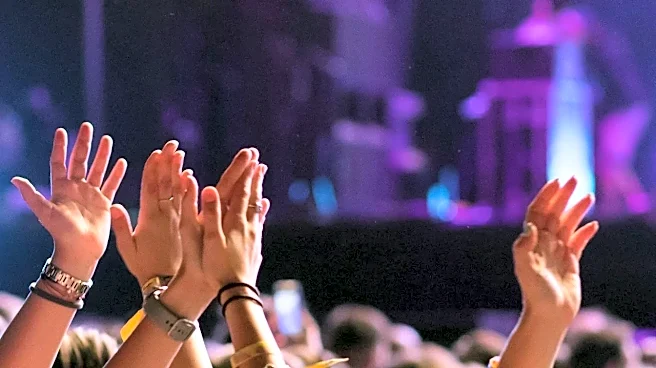
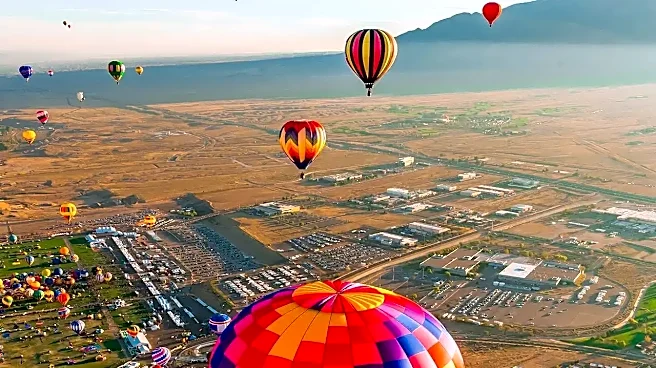
Festivals are a firehose of newness. New sounds from unfamiliar bands, new sights from elaborate art installations, new tastes from food trucks, and new social encounters. Every one of these novel experiences requires your brain to get off the couch and actively create a new memory file. This process is called retrospective timing—looking back and judging duration based on memory content. Because a festival weekend is so densely packed with unique moments, your brain has a mountain of data to sift through. When you recall the weekend, your brain sees this rich, detailed archive and concludes, "Wow, a lot must have happened. That must have been a long time." It’s a phenomenon psychologists call the "holiday paradox": the time flies while you're there, but feels expansive when you look back.
Emotion Is Memory's Highlighter Pen
Novelty isn't the only factor. Emotion acts like a highlighter for your memory. The intense joy of seeing your favorite headliner, the shared energy of a crowd singing in unison, or even the minor frustration of a long line for water—all these emotional peaks create stronger, more vivid memories. Our brains are wired to pay special attention to emotionally charged events, making them easier to recall later. This emotional and sensory richness creates what neuroscientists call thicker episodic memories—memories of events tied to a specific time and place. A festival weekend isn't just a series of things that happened; it's a collection of vivid feelings and moments. This makes the mental 'story' of the weekend longer and more detailed, reinforcing the perception that it was a significant stretch of time.
Breaking the Routine to Stretch Time
This principle doesn't just apply to music festivals. Any experience that breaks your routine and fills your days with novelty and emotion will have a similar effect. A packed international vacation, a cross-country road trip, or even the first few weeks of starting a new job can feel surprisingly long in retrospect for the very same reasons. Our perception of time speeding up as we get older is partly explained by this; as our lives become more routine, we create fewer distinct memories, and the years seem to blur together and fly by. The festival experience is simply a compressed, high-intensity version of this rule. By forcing your brain to constantly process new information, you are, in essence, stretching your subjective timeline.