


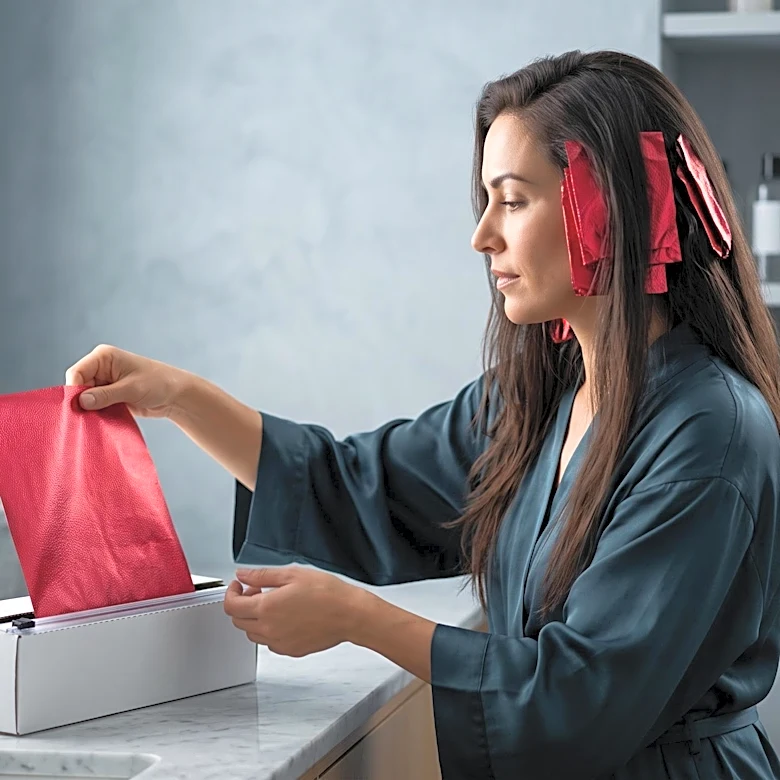
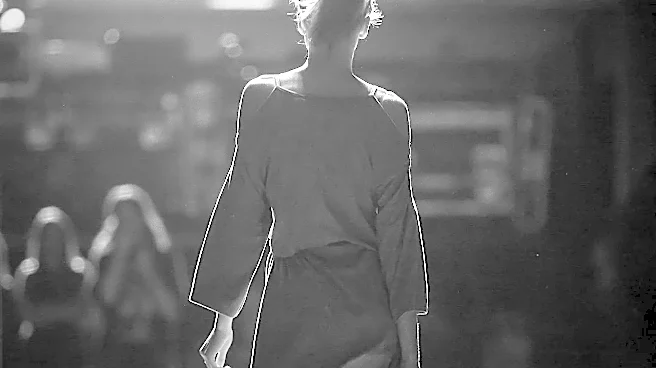
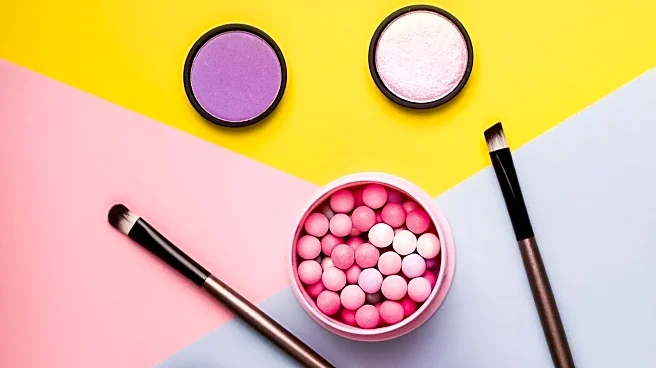
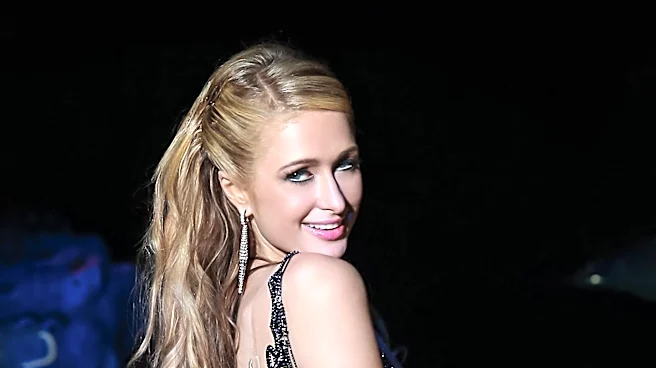
The Vision: It Starts with a Mood Board
Weeks or even months before the first model hits the runway, the process begins not with a lipstick, but with an idea. A designer's collection is built around a theme, a feeling, or a narrative—perhaps "Renaissance goth" or "a woman running through a field
at dawn." This concept is communicated to a lead makeup artist and a lead hairstylist, often industry legends hired for their unique creative perspective. These leads meet with the designer to pore over inspiration images, fabric swatches, and collection sketches. The goal is to distill a feeling into a tangible beauty direction that enhances the story of the clothes without overpowering it. The initial conversations are purely conceptual, focused on mood and theme rather than specific products.
The Test: From Abstract to Application
This is where theory becomes reality. Typically a few days before the show, the lead artists conduct a crucial hair and makeup test. Working with a model, they translate the designer’s abstract concepts into concrete looks, experimenting with products and techniques. This session is a creative laboratory where ideas are tried, refined, and sometimes discarded. Does a bold lip compete with the neckline? Does a certain hair texture cast strange shadows under the lights? The designer provides feedback, and the look is tweaked until it perfectly aligns with their vision. Once finalized, the look is meticulously photographed and documented on a face chart—a detailed blueprint that specifies every product and placement for the team to follow.
The Blueprint: Briefing the Army of Artists
A lead artist doesn't work alone. They oversee a team that can range from 10 to over 40 stylists and artists, depending on the show's scale. On the day of the show, hours before call time, the lead holds a team briefing. Using the photos and face charts from the test, they demonstrate the look from start to finish on a single model. They explain the techniques, the products to use, and the story behind the look to ensure every artist understands the aesthetic. This step is critical for consistency; the goal is for every model to appear as though they were styled by the same hand, creating a cohesive and powerful statement on the runway.
The Execution: Controlled Chaos Backstage
The backstage area at a fashion show is a high-energy ecosystem of organized chaos. With call times three to five hours before the show, models arrive in waves and are cycled through hair, makeup, and nail stations. Each artist may have as little as 15 to 45 minutes per model to execute the look flawlessly. The environment is a flurry of activity, with artists working in tight spaces amid photographers, dressers, and production staff. Flexibility is key, as last-minute changes from the designer are common. Just before the show begins, the lead artist does a final walkthrough, making last-minute touch-ups under show lighting to ensure every detail is perfect before the models line up to walk.