







The Headliner Scarcity Problem
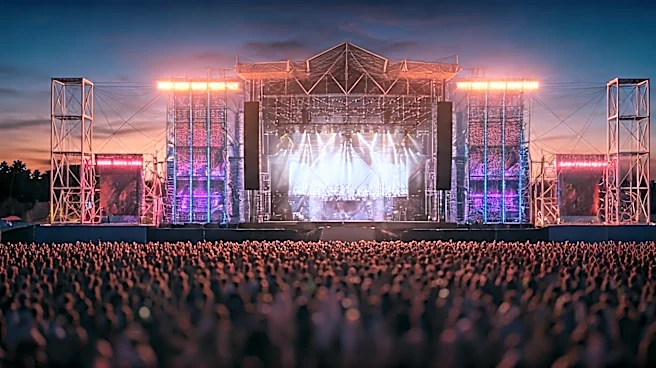
First, the pool of true headliners—artists who can reliably move 40,000 to 80,000 tickets a night—is surprisingly small. We’re talking about a few dozen acts at most: think Taylor Swift, Beyoncé, Billie Eilish, or legacy bands like Red Hot Chili Peppers.
These are the artists who convince fans to drop hundreds of dollars on a weekend pass, book flights, and rent hotel rooms. Because every major festival needs at least three of these certified draws to anchor their lineup, they are all competing for the same tiny group of superstars. This supply-and-demand imbalance gives top-tier artists and their agents enormous leverage. Festivals can’t afford to *not* have a legitimate headliner, forcing them into a bidding war where an artist can command anywhere from $4 million to upwards of $8 million for a single 90-minute set.
The Golden Handcuffs: Radius Clauses
One of the biggest factors in festival booking is the “radius clause.” This is a contractual restriction that prevents an artist from playing other shows within a certain geographic area for a specific period before and after the festival. For a top-tier event like Coachella, this clause can be incredibly strict, barring an artist from performing in most of Southern California for months. However, this is where the “politics” come in. A festival in California (like Coachella) and one in Tennessee (like Bonnaroo) are outside each other's radius. This allows an artist to anchor two major, non-competing events in the same season. Promoters use these clauses to protect their ticket sales and ensure their event feels unique, at least locally. But on a national scale, it creates pockets of opportunity for artists to play multiple major festivals as long as they are sufficiently far apart.
The Power of the Mega-Agencies
The modern music industry is dominated by a handful of powerful talent agencies like Creative Artists Agency (CAA), William Morris Endeavor (WME), and Wasserman. These agencies don't just represent one headliner; they represent dozens of them, plus hundreds of smaller acts. This gives them immense bargaining power. An agent can approach a festival promoter like Live Nation or AEG (which own Lollapalooza and Coachella, respectively) with a package deal. For example, they might offer a sought-after headliner on the condition that the festival also books several of their developing artists for the undercard. Furthermore, since these promoters run multiple festivals, an agency can negotiate a multi-festival deal for a single artist, streamlining the process and guaranteeing their client a lucrative summer run. It’s a classic case of industry consolidation concentrating power in the hands of a few key players.
It’s All About Tour Routing
Finally, there’s the simple logic of logistics. Headliners don't just randomly appear at festivals; these performances are almost always part of a larger, pre-planned album cycle and world tour. A massive stage production, crew, and fleet of trucks are already crisscrossing the country. It’s far more efficient and profitable for an artist to route their summer stadium or arena tour to conveniently include stops at major festivals along the way. A festival date in June fits perfectly into a North American tour running from May to August. The festival gets a guaranteed draw, and the artist gets a massive paycheck and a huge promotional platform without the financial risk of promoting their own standalone show in that market. The festival circuit essentially becomes a series of highly paid, strategically placed anchors for a larger national tour.