



First, What Is 'Glass Skin'?
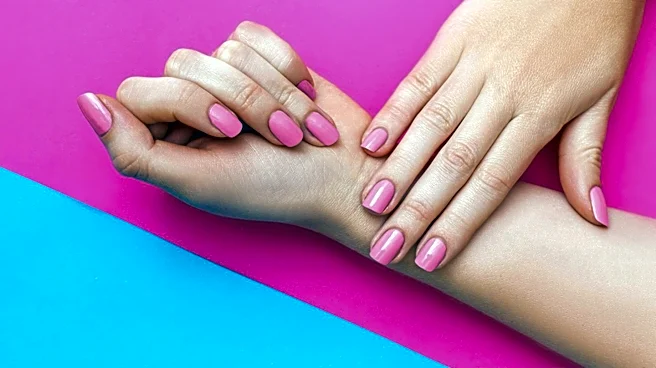
Before it was a hashtag, "glass skin" was a skincare goal rooted in a long-standing Korean beauty philosophy. The term, or yuri pibu in Korean, describes a complexion that is exceptionally smooth, dewy, and so intensely hydrated that it appears translucent
and reflective. It's not about being shiny or oily, but about achieving a state of optimal skin health that radiates from within. Unlike Western beauty standards that have often prioritized covering imperfections with makeup, the glass skin ideal focuses on creating a naturally healthy canvas that needs little to no enhancement.
A Philosophy of Prevention and Hydration
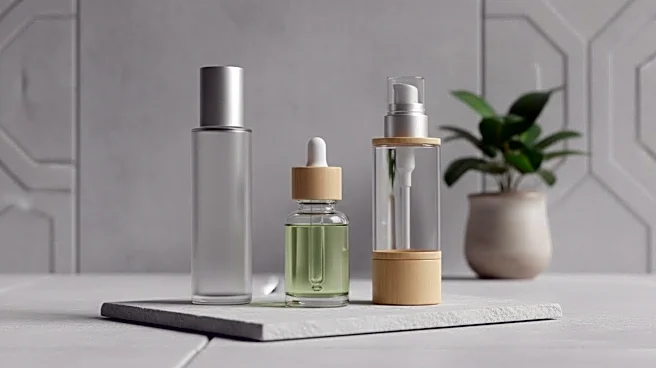
The routine to achieve glass skin stands in stark contrast to many traditional Western approaches. For decades, many U.S. skincare routines were reactive and often harsh—think aggressive scrubs, astringent toners, and treatments designed to strip oil and fight acne. The Korean philosophy, however, is built on prevention and nourishment. It treats skin as a delicate organ to be nurtured, not a problem to be fixed. The core principle is maintaining a strong, healthy skin barrier. This is achieved through a multi-step process of layering lightweight, hydrating products. Steps like double cleansing, applying essences, and patting in serums allow for better absorption and deliver moisture without overwhelming the skin. This consistent, gentle care aims to keep the skin balanced and resilient, preventing issues like dehydration and irritation from arising in the first place.
How It Changed the Products on Your Shelf
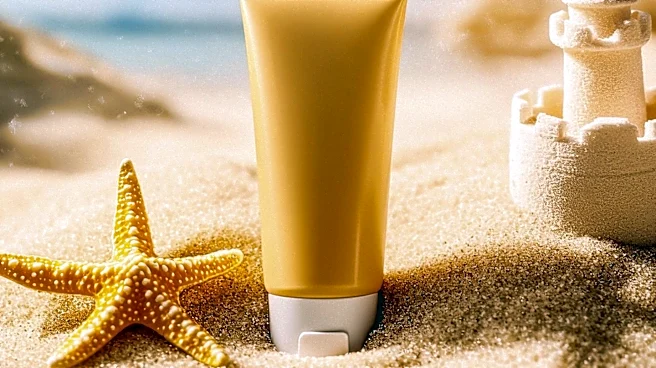
The rise of K-beauty in the U.S., propelled by social media and the global popularity of K-dramas and K-pop, didn't just introduce new brands; it fundamentally altered product development across the industry. Western brands took note. Suddenly, product categories that were once staples of Korean skincare began appearing on the shelves of American drugstores and department stores. Essences, once an unfamiliar concept, are now offered by legacy U.S. brands. Serums, previously marketed primarily for “anti-aging,” are now ubiquitous for all ages, focusing on benefits like hydration and radiance. The ingredient list also changed. Consumers learned to look for hydration heroes like hyaluronic acid and barrier-supporting ceramides. Gentle, traditional ingredients like centella asiatica, rice extract, and ginseng became mainstream. Even sunscreen, long a chore for many Americans, was revolutionized by cosmetically elegant Korean formulations that felt more like skincare than a thick paste, encouraging daily use.
A Lasting Shift Toward Skin Wellness
The most significant impact of the glass skin phenomenon is philosophical. It successfully reframed skincare for millions of American consumers from a corrective chore to an act of self-care. The multi-step routine, while not always followed to the letter, encouraged a more mindful and personalized approach to skin health. Consumers became more educated about ingredients and the importance of a healthy skin barrier. This shift forced the entire industry to become more innovative and transparent. The ultimate goal was no longer just to look good for a day with the help of makeup, but to cultivate genuinely healthy skin over the long term. The glass skin routine was the vehicle that delivered this powerful new message to the masses, and the modern skincare landscape is forever changed because of it.