


A History of High Shine and Bad Reps
To understand the satin shirt’s divisive nature, you have to look at its resume. For centuries, shiny fabrics like silk and satin were markers of extreme wealth, worn by aristocrats and royals. But in the 20th century, mass production made them accessible,
and the shirt became a symbol of something else entirely: rebellion and nightlife. The garment’s most famous—and infamous—moment arrived with the 1970s disco era. Think John Travolta in *Saturday Night Fever*, his pointy-collared shirt unbuttoned to his sternum on the dance floor. It became shorthand for a certain kind of peacocking, hedonistic masculinity. That association was hard to shake. For decades afterward, the satin shirt was relegated to the costume box, a signifier of mobster movies, kitschy Vegas acts, or guys trying way too hard at a nightclub.
The Case Against: Tacky, Try-Hard, and Tricky
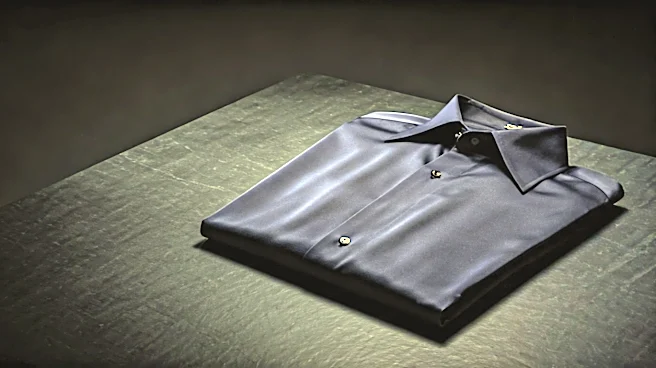
The arguments against the satin shirt are potent and deeply ingrained in our style consciousness. First, there’s the sleaze factor. Its historic ties to lounge lizards and disco dancers give it an air of being unserious and predatory. Second, it’s unforgiving. Unlike a crisp cotton Oxford, satin—especially cheaper polyester satin—clings, showing every contour of the wearer’s body. If the fit is off, it can look sloppy or strained. And the shine itself is a risk. Under the harsh lights of a bar or club, a cheap satin shirt can look garishly glossy, like wrapping paper. This is the core of the anti-satin argument: it often feels like a costume, a shortcut to looking “dressed up” that bypasses actual taste and sophistication. It screams for attention in a way that many feel is simply too loud for modern menswear.
The Case For: Confidence, Texture, and Cool
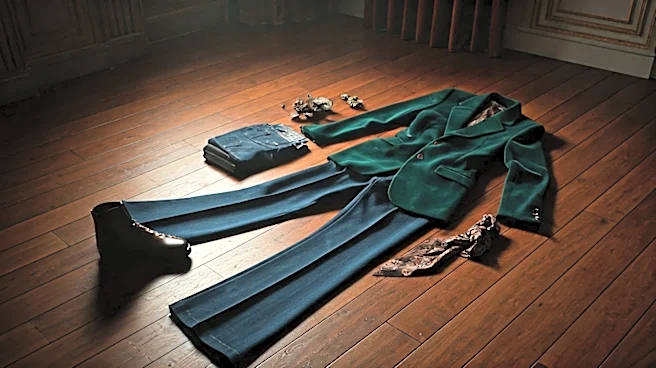
On the other side of the aisle, proponents see the satin shirt not as a liability, but as a power move. To wear one is to consciously reject the boring, uniform-like safety of the standard menswear rotation. It takes confidence. Look at its champions throughout history: rock stars like Mick Jagger, Prince, and more recently, Harry Styles and Jacob Elordi. These are men who use clothing to perform and project an aura of effortless cool. For them, the shirt’s liquid drape and light-catching sheen add a dose of romance and fluidity to otherwise rigid masculine tailoring. A well-made satin shirt in a rich jewel tone—an emerald green, a deep burgundy, or a classic black—can look incredibly luxurious when paired with sharp trousers or dark denim. It introduces texture and visual interest into an evening outfit, something menswear desperately needs more of. In this light, the shirt isn’t tacky; it’s a confident, sensual choice for a man who isn’t afraid to be looked at.
The Modern Rebirth
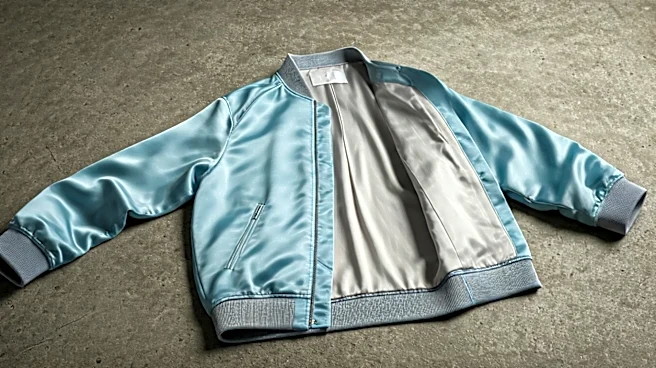
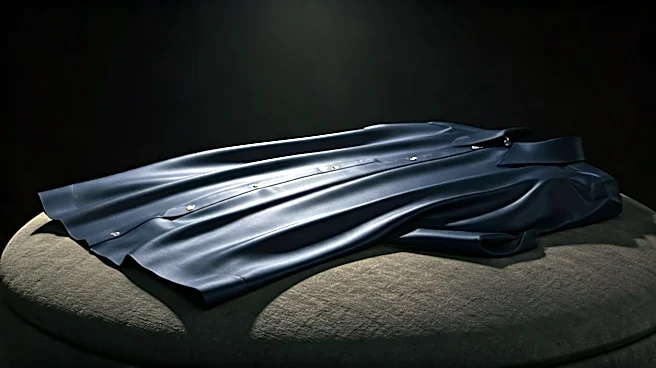
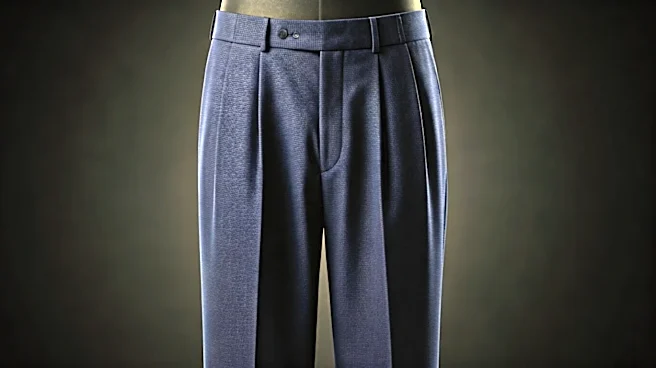
The satin shirt is undeniably back, but its 21st-century revival comes with new rules. The super-tight, polyester versions of the early 2000s are out. Today’s popular styles are more relaxed and sophisticated. Designers are cutting them with a looser, more elegant drape that billows rather than clings. The collars are less dagger-like, and the fabrics, often silk blends, have a softer, more subtle luster. The styling has also evolved. Instead of being the star of a loud, flashy outfit, the modern satin shirt is often used to elevate simpler pieces. You’ll see it worn open over a plain white tank top with jeans, or tucked into a pair of high-waisted, pleated trousers for a look that feels more '70s Italian Riviera than '70s Brooklyn disco. It’s being treated less like a novelty item and more like a versatile piece of textural layering, capable of adding a touch of laid-back luxury to any wardrobe.