







The Original Sin: Fear of Abandonment
For three perfect films, the Toy Story saga was powered by a single, primal fear: abandonment. It was the emotional engine that made a story about talking plastic feel profoundly human. In the first film, Woody, the cherished favorite, is terrified of being
replaced by the shiny, new Buzz Lightyear. In the second, Jessie’s heartbreaking backstory and Woody’s temptation to become a pristine collectible are both rooted in the trauma of being outgrown and put away. And in Toy Story 3, the theme reaches its gut-wrenching crescendo. Andy going to college isn’t just a plot point; it's the ultimate act of abandonment, the final closing of a childhood chapter. The toys’ journey to Sunnyside and their near-incineration is a Dante-esque exploration of what it means to be a toy without a child. The trilogy’s emotional closure comes when Andy lovingly passes his toys—and their purpose—to Bonnie, solving the problem of abandonment by delaying it.
The Pivot in Toy Story 4
Many felt Toy Story 4 was an unnecessary epilogue, but thematically, it was a crucial pivot. The film didn’t just rehash the old fears; it questioned the very foundation of a toy’s purpose. Woody, feeling sidelined in Bonnie’s closet, is forced to confront a life after his primary mission is complete. He isn’t just waiting for the next kid; he’s asking if that’s all there is. His final decision to leave the group and become a “lost toy” with Bo Peep, helping carnival prizes find children, is revolutionary. He doesn’t just accept abandonment; he transcends it. He finds a new identity, separate from a single owner. In doing so, Woody effectively solved his core problem. The fear of being left by one specific kid no longer holds power over him. This narrative masterstroke, however, leaves a huge vacuum for the next chapter: if the ultimate fear is gone, what new anxiety can possibly take its place?
The New Threat: Systemic Obsolescence
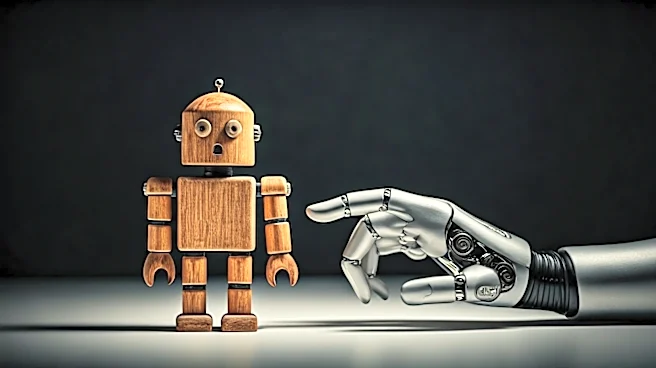
This is where obsolescence comes in. The new threat isn’t personal; it’s systemic. It’s not about being replaced by a cooler action figure. It’s about the very *idea* of a pull-string cowboy or a plastic space ranger becoming irrelevant in a world that has moved on. Think about the toys kids play with today. They’re often extensions of digital ecosystems: interactive screens, app-connected devices, and AI-powered companions. The threat to Woody and Buzz is no longer another toy in the bedroom, but the iPad on the bed. What happens when a child’s imagination is no longer the primary interface for play? What is Woody’s purpose in a world of algorithm-driven entertainment and augmented reality games? This is a far more insidious and existential fear than being put in the attic. It’s the terror of becoming a relic, a charming but useless artifact from a bygone era. Buzz Lightyear, once the symbol of cutting-edge futurism, now looks quaintly retro. A toy from 1995 is an antique in the 21st century.
A Story That Grows with Its Audience
Exploring obsolescence is the only way for Toy Story 5 to feel necessary and emotionally resonant. The original audience who grew up with Andy are now adults facing their own versions of this anxiety. We worry about our job skills becoming outdated, our cultural relevance fading, and our place in a rapidly changing world. The franchise has always worked best by mapping childhood fears onto universal human emotions. By shifting the central conflict from the personal pain of abandonment to the societal dread of obsolescence, Pixar can tell a story that has truly grown up with its viewers. The question for Woody is no longer, “Does my kid love me?” but rather, “Does the world have a place for me at all?” Confronting that question is a far more complex and mature challenge, and it's the only one worthy of this legendary franchise's next, and perhaps final, act.