








The Primal Relief of Cold
The first thing that hits you isn’t the smell of popcorn, but the blast of arctic air. That immediate, almost shocking relief from the oppressive summer heat does more than just cool you down; it primes your brain for a better experience. Physiologically,
your body is working hard in the heat to maintain its core temperature. Stepping into a cold room removes that burden, creating a sense of comfort and ease. This thermal comfort reduces irritability and fatigue, allowing for greater focus. Theaters are notoriously chilly for practical reasons, too. HVAC systems are calibrated for a full house, anticipating the body heat of hundreds of people, and all that heat-generating projection and sound equipment needs to be cooled. On a less crowded day, that same system feels like a walk-in freezer, but that contrast with the outside world is a key part of the appeal. It signals a complete break from the real world, a physical transition into the escapism you’re about to witness on screen.
The Immersive Power of Darkness
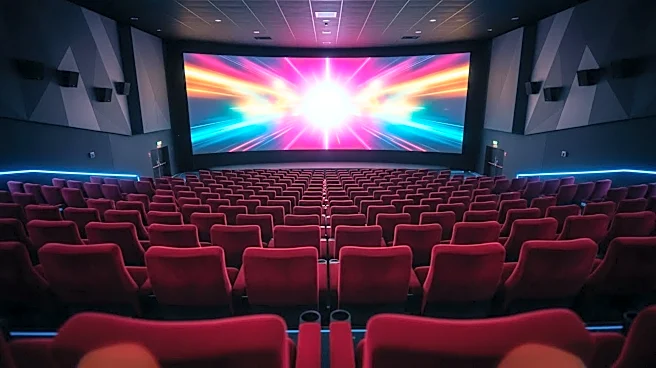
As the lights dim, the world outside vanishes. This isn’t just for practical viewing; it’s a powerful psychological tool. By eliminating visual distractions, the darkness funnels your attention entirely to the screen. Your other senses, particularly hearing, are heightened in response. This sensory recalibration makes the film’s soundscape more impactful and the visuals more vibrant. In the field of neurocinematics—the study of how films affect the brain—researchers have found that this kind of immersive experience can actually synchronize brain activity across audience members. You’re not just watching a movie; you’re part of a collective consciousness, sharing gasps, laughs, and jumps in unison. The darkness creates a shared, private space where you’re free to have a strong emotional reaction, whether it’s shedding a tear during a drama or jumping in your seat during a horror flick, without feeling self-conscious. It’s a form of sensory deprivation designed for maximum sensory engagement with the story.
The Emotional Engine of Sound
Modern movie theater sound isn’t just loud; it’s a physical force. With digital surround sound, audio can be delivered at extreme levels without the distortion of older analog systems. Filmmakers use this to create an intensely immersive experience that you feel as much as you hear. The deep, bone-rattling bass of an explosion or the subtle creep of a sound effect from a rear speaker is designed to elicit a direct physiological response. These loud, dynamic sounds can trigger your startle reflex or an adrenaline rush, making action sequences feel more thrilling and horror scenes more terrifying. While sound levels in theaters often exceed the recommended 85 decibels, with peaks sometimes topping 100 dB, this intensity is a crucial component of the blockbuster formula. The audio landscape manipulates your emotions, builds suspense, and punctuates drama in ways that simply can’t be replicated at home, creating a powerful and memorable visceral experience.
The Perfect Sensory Cocktail
Separately, each of these elements—cold, dark, and loud—has a powerful effect. But together, they create a perfect storm of sensory immersion. The cold provides physical relief and sharpens your focus. The darkness eliminates distractions and heightens your remaining senses. The sound delivers a visceral, emotional punch. This combination effectively hijacks your brain, pulling you completely into the world of the film. Cognitive science suggests that watching a movie isn't just passive viewing; our brains run a complex simulation, activating the same mental pathways we use for planning and experiencing the real world. By overwhelming our senses with a curated set of stimuli, the movie theater environment makes that simulation feel more real, more immediate, and more impactful than it ever could on a laptop or TV screen. It transforms watching a movie from a simple activity into a full-body experience.