






The Ghosts of Offices Past
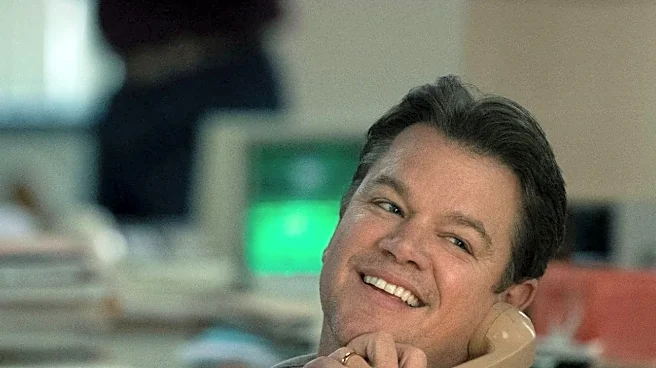
For decades, the recipe was simple: gather a cast of quirky but lovable characters in a static location—a paper company, a city hall, a police precinct—and let the low-stakes chaos unfold. Shows like The Office and Parks and Recreation perfected this,
finding humor in the mundane and warmth in the coworker bonds forged over prank wars and unbearable meetings. Their influence looms large, with recent shows like The Paper, a spin-off set in a local newsroom, still drawing from the same mockumentary playbook. But the world that made those shows resonant has shifted. The central hub, the physical office where everyone gathers daily, is no longer a given. The rise of remote and hybrid models means the very foundation of the traditional workplace sitcom—a shared space—has cracked. Trying to replicate the Jim-and-Pam dynamic feels nostalgic at best and dishonest at worst when your coworkers are just faces on a screen.
The 'Abbott Elementary' Effect: Find the 'Why'
The biggest comedy success story of the 2020s, Abbott Elementary, offers the most viable blueprint for the genre's future. Its genius lies in choosing a workplace where the stakes, while personal to the characters, are profoundly high: public education. The teachers at Abbott aren't just pushing paper; they are fighting against a chronically underfunded system for the future of their students. This built-in sense of purpose gives the comedy weight and heart. The jokes land harder because they spring from real, systemic frustrations that resonate with a wide audience, especially educators who see their daily struggles reflected on screen. The show proves that a workplace comedy can be more than a collection of gags; it can have a mission. This fall's lineup seems to be taking notes, with NBC’s hospital-set St. Denis Medical attempting to blend absurd humor with the inherent drama of its setting. The lesson is clear: find a job with meaning, and the stories will follow.
The Office Isn't a Place Anymore
To truly evolve, the workplace comedy must untether itself from a single location. Modern work is fragmented, defined by gig work, side hustles, and portfolio careers. Imagine a sitcom centered not on one office, but on a group of freelancers connected through a coworking space or a chaotic group chat. Mindy Kaling's new series, Not Suitable For Work, seems to be gesturing in this direction by following five ambitious 20-somethings across multiple professional environments in New York City. This structure reflects the reality for many younger workers whose professional lives aren't confined to a 9-to-5 cubicle. A show that embraces this chaos—the video calls from a closet, the juggling of three different bosses, the constant hunt for the next gig—would feel incredibly fresh and relevant. It opens the door to stories about economic precarity, the myth of the dream job, and the search for community when your colleagues are scattered across the city or the globe.
Lean Into the Absurdity
The modern work experience is, frankly, absurd. We navigate corporate jargon, performative wellness initiatives, and the uncanny void of AI-driven tools. Instead of shying away from this strangeness, comedies should embrace it. Gen Z’s humor, shaped by internet culture, is often surreal, chaotic, and darkly ironic—a perfect lens through which to view the contemporary workplace. This generation uses humor as a coping mechanism for a world that often feels irrational. A sitcom that captures this sensibility would look less like The Office and more like a comedic cousin to Severance. Shows like FX's Adults are already tapping into this by portraying young characters who are broke, confused, and emotionally messy, reflecting a reality far from the polished professionals of older sitcoms. The comedy comes from the shared acknowledgment that the system is bizarre, and the only rational response is to laugh at the “bare minimum Mondays” and the meaningless corporate slang.