

First, What Is Soft Glam?
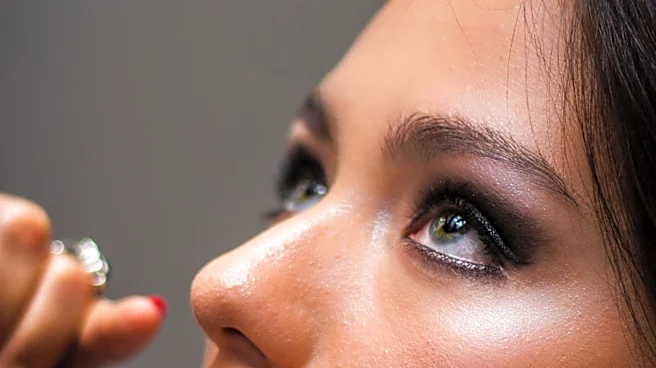
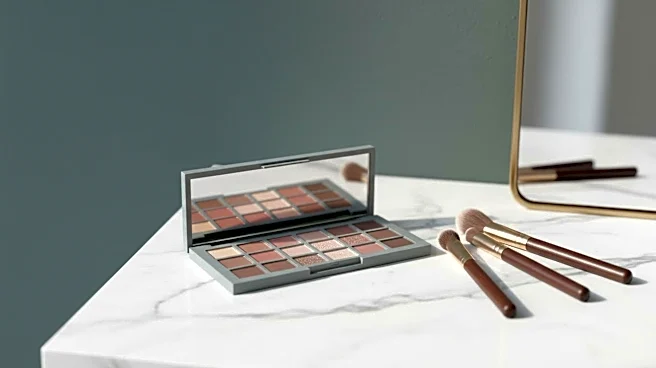
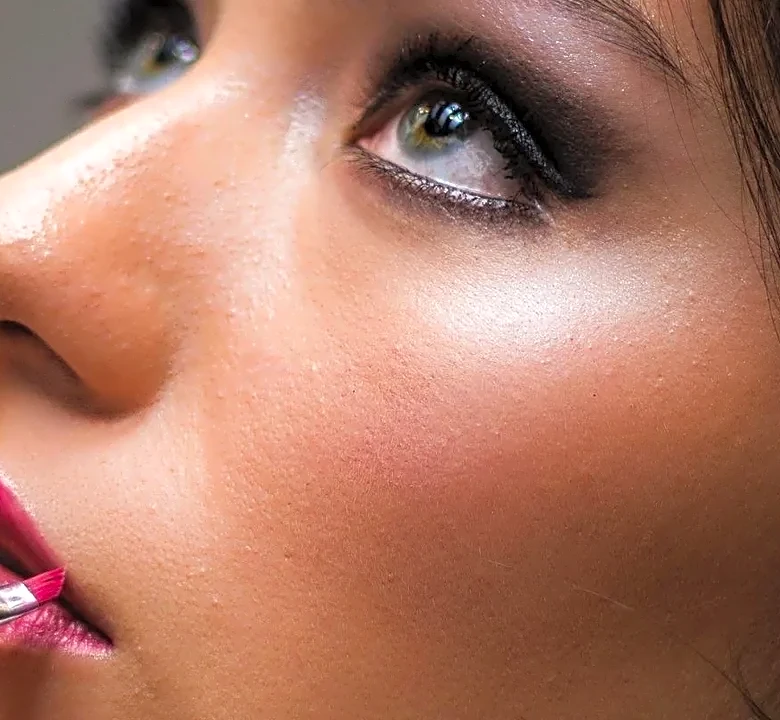
Before we get into the drama, let's define the look. Soft glam is the sophisticated sister of the intense, high-coverage “Instagram glam” that dominated the late 2010s. It’s characterized by smooth, radiant skin and, most importantly, an eye look that is blended
to perfection. Think matte, neutral tones like browns, taupes, and soft mauves, seamlessly diffused with no harsh lines. The liner is often a soft smudge rather than a sharp wing, and lashes are long and fluttery. The goal is to enhance and define the eye shape in a way that looks polished, timeless, and effortlessly chic—perfect for everything from a wedding to a red carpet.
The Pro-Glam Camp: It's Flattering, Reliable, and What Clients Want
A huge portion of the professional makeup artist community champions the soft glam look, and for good reason. For one, it’s almost universally flattering. The neutral color palette and blended technique can be adapted to suit any eye shape and skin tone. Artists like Mario Dedivanovic, who has famously used the technique on countless celebrities, have built entire careers and product lines around this signature style, proving its commercial power and appeal. The primary argument here is one of service: clients see this look online, they want it, and it's a reliable, repeatable technique that guarantees a happy customer who looks fantastic in photos. It's the perfect balance between looking natural and feeling glamorous.
The Counter-Argument: A Formula That Stifles Artistry
On the other side of the aisle, some artists express concern that soft glam has become a creative straitjacket. The complaint isn’t that the look is bad, but that its overwhelming popularity has turned artistry into a formula. When every client requests the exact same neutral, blended eye, it leaves little room for the creative expression, color theory, and unique application that many artists build their skills upon. This camp argues that makeup should be about individuality, not a one-size-fits-all template. Artists like Danessa Myricks, known for her innovative, multi-use products and emphasis on creative freedom, represent this ethos. The philosophy is that makeup should be about play and self-expression, not just replicating a trending look.
The Social Media Effect
The real driver of this debate is social media. Platforms like Instagram and TikTok have created a visual monoculture where trends can become dominant with unprecedented speed. The soft glam eye looks incredible on camera, which makes it a viral sensation. This puts professional artists in a tricky position. Do they give the people what they want, thereby feeding the trend cycle? Or do they push their clients—and their own skills—to try something more unique and personal, potentially risking a less-than-satisfied customer who just wanted to look like their favorite influencer? The disagreement, then, is less about which look is “better” and more about the role of a professional artist: are they a technician executing a request, or a creative partner guiding a vision?