




1. The Dress Code Is a Floor, Not a Ceiling
To the uninitiated, Royal Ascot’s famous dress code—hemlines just so, straps of a certain width, and mandatory headwear in the top enclosures—can seem like a creative restriction. But for fashion insiders and longtime attendees, it’s simply the starting
point. They see the rules not as a challenge to be cheekily subverted, but as a framework for demonstrating taste. The goal isn't to see how close you can get to breaking a rule with a sheer panel or a micro-mini. Instead, it's about executing the code with flawless elegance. An overly embellished, sequin-covered dress feels like it’s trying too hard to grab attention in a context where subtlety is the ultimate power move. It screams 'tourist,' not 'to the manor born.'
2. It’s a Daytime Event, Not a Red Carpet Gala
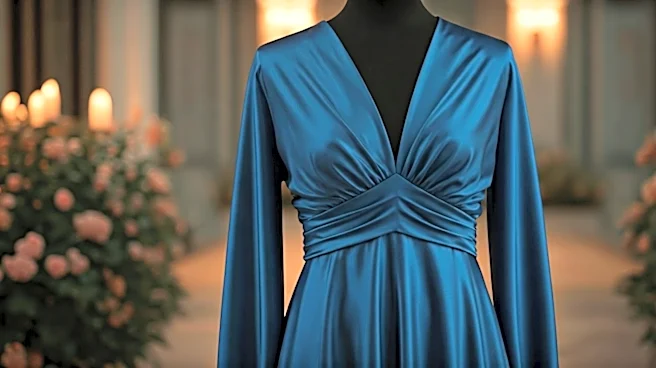
This is perhaps the most crucial distinction. Royal Ascot is a formal *daytime* event. In the language of fashion, that calls for a completely different wardrobe than an evening affair. Heavy beading, all-over sequins, metallics, and glittery fabrics are traditionally reserved for cocktail parties and black-tie galas that happen after dark. Wearing a dress that could double for a New Year’s Eve party to a 2 p.m. horse race is a sartorial faux pas. Insiders opt for high-quality daytime fabrics: silk crepe, organza, crisp cotton, or modern bonded materials. The visual interest comes from a sophisticated print, a unique color, or an architectural silhouette, not from a thousand tiny, light-reflecting plastic discs.
3. The Hat Is the Main Character
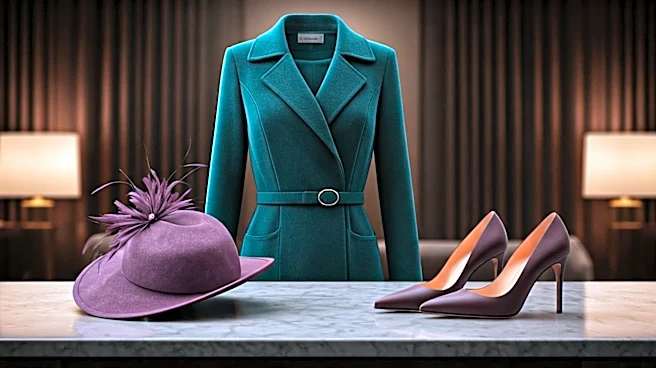
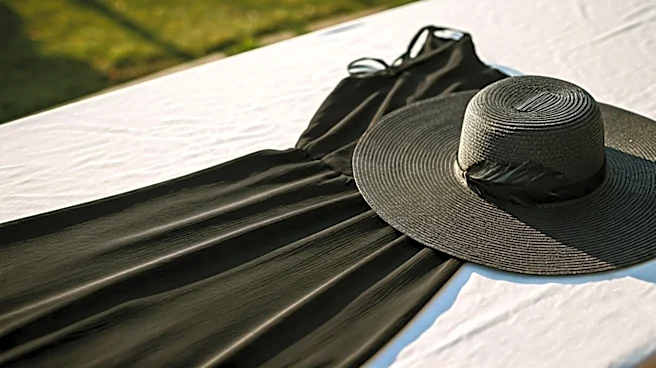
At Royal Ascot, the dress is the supporting actor. The headpiece is the star of the show. A truly stunning hat or fascinator—a piece of sculptural art from a milliner like Philip Treacy or Stephen Jones—is the ultimate style statement. A dress that is too busy, too shiny, or too covered in ruffles and bows creates a visual conflict. It competes for attention with the headwear, making the entire outfit feel chaotic and unbalanced. The chicest racegoers understand this hierarchy. They choose a beautifully tailored but relatively simple dress in a solid color or a clean print to act as a canvas. This allows the hat to do the talking and ensures the entire look is harmonious.
4. True Luxury Whispers, It Doesn't Shout
Dressing for the Royal Enclosure is an exercise in what some call 'stealth wealth.' True luxury isn’t about wearing the most expensive-looking thing; it's about appreciating quality that's evident only to those with a trained eye. An over-embellished dress often looks cheaper than it is, relying on sparkle to create impact. In contrast, a dress with impeccable tailoring, made from a sublime fabric that moves beautifully, telegraphs a deeper understanding of quality. The fit is perfect, the seams are flawless, and the silhouette is timeless. This understated confidence is far more impressive to the Ascot crowd than a dress covered in flashy, mass-produced appliqués.
5. Practicality Is a Form of Elegance
A day at the races is a long one. It involves hours of standing, walking across manicured (and sometimes rain-softened) lawns, and navigating crowds. A dress laden with heavy beading or delicate, snag-prone embellishments is simply not practical. It’s cumbersome, uncomfortable, and high-maintenance. Seasoned attendees know that comfort is key to looking poised and elegant all day long. They choose outfits that allow for movement and won’t become a liability if there’s a sudden downpour or a long queue for afternoon tea. A fussy, overwrought dress marks you as a novice who didn't consider the realities of the event itself.