




A Stage for Rebellion, Not Royalty
From its inception in 1984, the VMAs were positioned as the rebellious younger sibling to the buttoned-up Grammys and Oscars. It was an awards show for the MTV generation, built on the vibrant, visual, and often chaotic energy of music videos. This created
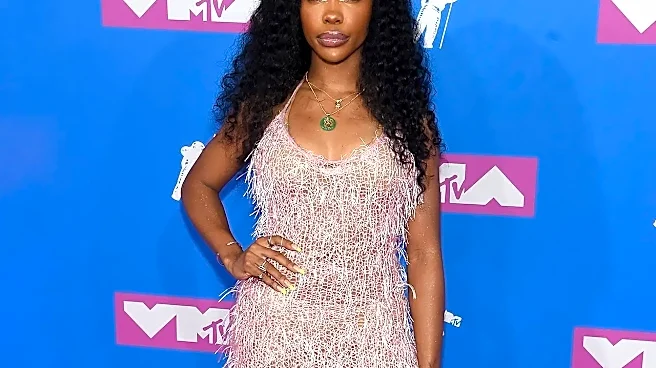
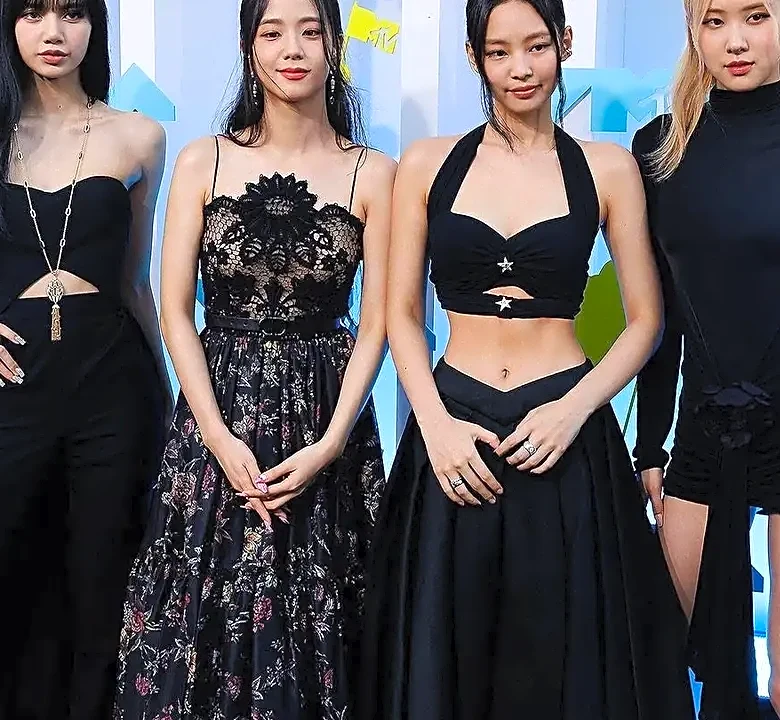
a space where artists weren't expected to be tasteful; they were expected to be interesting. Where other awards shows demanded reverence for tradition, the VMAs encouraged breaking the rules. Madonna set the tone at the very first ceremony, performing "Like a Virgin" in a punk-rock wedding dress, complete with her iconic "Boy Toy" belt buckle. It wasn't about old Hollywood glamour. It was about creating a moment that was as exciting and provocative as the videos being celebrated. This anything-goes atmosphere meant that the red carpet wasn't just a prelude to the show—it was the first act.
The Art of the Spectacle
Over time, the VMA red carpet evolved from a place to show off a cool outfit into a performance art space. The goal wasn't just to look good, but to make a statement, generate a headline, or even stage a protest. No look embodies this better than Lady Gaga's 2010 meat dress. Made of raw flank steak, the outfit was an immediate sensation, condemned by animal rights groups but lauded by others as a brilliant piece of pop art. Gaga later explained it was a political statement against the U.S. military's "Don't Ask, Don't Tell" policy, arguing that if people don't fight for their rights, they'll have as many rights as "the meat on our bones." Years earlier, in 1998, Rose McGowan arrived in a sheer beaded dress that left almost nothing to the imagination. Decades later, she revealed it was a defiant, personal statement made after she was allegedly sexually assaulted, a way of reclaiming her body in the public eye before the #MeToo era. These weren't just dresses; they were deliberate, high-impact cultural events.
Peak Pop Culture Currency
Before social media atomized pop culture into millions of niche interests, the VMAs were a monoculture campfire. A single performance or red-carpet look could define an artist's entire era. When Britney Spears performed "I'm a Slave 4 U" in 2001 with a seven-foot-long albino python draped over her shoulders, it became one of the most iconic moments in music history. The image was instantly seared into the collective consciousness, perfectly capturing her transition into a more adult pop star. Similarly, Lil' Kim's 1999 lavender jumpsuit, with one breast exposed and covered only by a seashell pasty, was a masterclass in branding. The look, supposedly inspired by a joke from Missy Elliott, was so shocking and unforgettable that it cemented her status as a fearless fashion icon. That moment was so legendary that music legend Diana Ross playfully jiggled Kim's exposed breast on stage. These moments weren't just talked about the next day; they became visual shorthand for the artists themselves.
Designed for a Different Kind of Screen
Unlike the subtle elegance that might read well in a ballroom or a print magazine, VMA fashion was made for television. It needed to be bold, graphic, and instantly readable. The artists and stylists understood that they were creating images that would be broadcast into millions of living rooms. The vibrant colors, exaggerated silhouettes, and often cartoonish concepts were perfectly suited for the medium. Lil' Kim's purple pasty look, complete with a matching wig, was pure pop art. Gwen Stefani's '90s outfits, with their blue fur bikinis and facial jewels, felt like they were pulled directly from a zany music video. Even the outrageous denim-on-denim ensembles worn by Britney Spears and Justin Timberlake (which Katy Perry later paid homage to) were memorable for their sheer, unapologetic commitment to a visual theme. The looks were designed to pop on screen, creating a visual feedback loop where the videos influenced the red carpet, and the red carpet created moments as memorable as the videos themselves.