


The Art of the Cardboard Promise
Before streaming algorithms, there was the shelf. In the fluorescent-lit aisles of Blockbuster and countless mom-and-pop rental shops, movies had to earn your attention from a distance. For the horror genre, this created a golden age of cover art. The
VHS box was a physical promise of the terror contained within. Often featuring lurid, hand-painted illustrations that sometimes oversold the film's actual budget or quality, these covers were designed to be grabbed. They were competitive, aiming to stand out in a sea of hundreds of other titles. This wasn't just marketing; it was a critical part of the horror experience. The art for films like 'A Nightmare on Elm Street' or 'The Texas Chain Saw Massacre' didn't just advertise—it set a tone of dread and forbidden excitement before you even pressed play.
Decoding the Retro Aesthetic
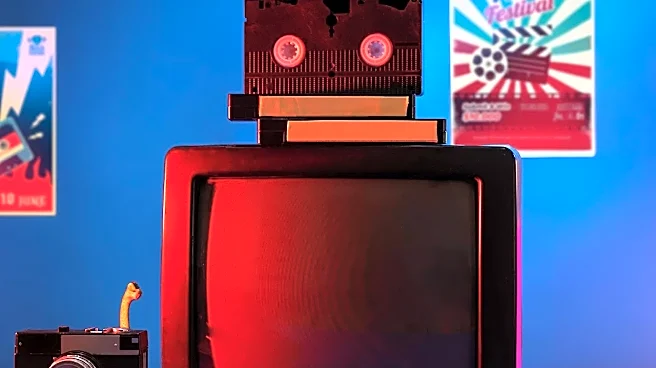
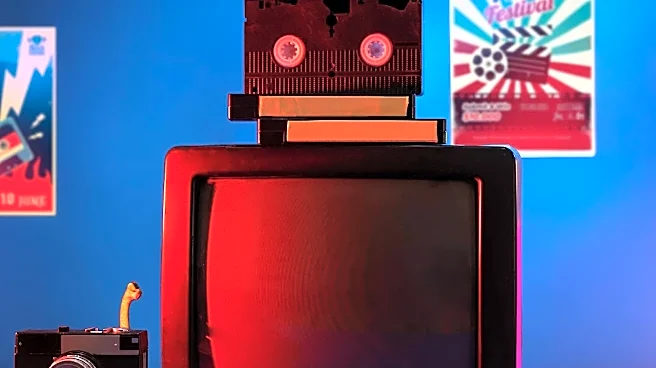
So, what are the ingredients of this aesthetic that modern designers are so eager to replicate? It’s a distinct visual language. Think bold, often distressed typography, sometimes slanted to imply something is 'off'. Color palettes are key, frequently using high-contrast combinations like neon pinks and blues against a stark black background. The imagery itself is often accompanied by faux signs of wear and tear: grainy textures, color bleed, simulated tracking lines, and the iconic 'VHS' logo itself. These elements aren't just copied; they're curated to evoke a specific feeling. The imperfection is the point. While modern 4K resolution offers pristine clarity, the deliberate addition of VHS-style grain and distortion can make a horror movie feel more raw, authentic, and unsettling—like found footage or a forbidden tape.
Fauxstalgia for a New Generation
Here’s the fascinating part: this trend isn’t just for millennials and Gen Xers who actually remember adjusting the tracking on a VCR. For younger audiences who grew up with digital media, the VHS look has become a signifier of a certain kind of horror—one that feels more grounded, gritty, and free of modern technology's plot-killing convenience. Much like the synth-heavy scores of shows like 'Stranger Things', the VHS aesthetic has become a form of 'fauxstalgia'. It allows filmmakers and marketers to tap into a romanticized version of the 1980s, a decade now seen as a golden age for the genre. Using this style signals that a film understands the tropes and texture of classic horror, even if it's a brand-new release. It’s a visual shorthand for 'authentic' fear.
Modern Masters of the Throwback
This isn't just a niche phenomenon. It's visible across the horror landscape, from indie darlings to special editions from boutique labels. Companies like Scream Factory and Mondo have built entire brands around commissioning new art that honors the classic illustrated poster style. Even mainstream productions will often release alternate or limited edition posters that lean into the VHS look. Ti West's 'The House of the Devil' (2009) is a prime example of a modern film that perfectly captured the 80s aesthetic in both its filmmaking and its marketing, with posters that looked like they were pulled directly from a video store shelf. More recently, horror themed shows like 'The Boulet Brothers' Dragula' have explicitly used a VHS inspired look for entire seasons, recognizing its powerful cultural resonance with genre fans.