



The Case for Orchestral Reverence
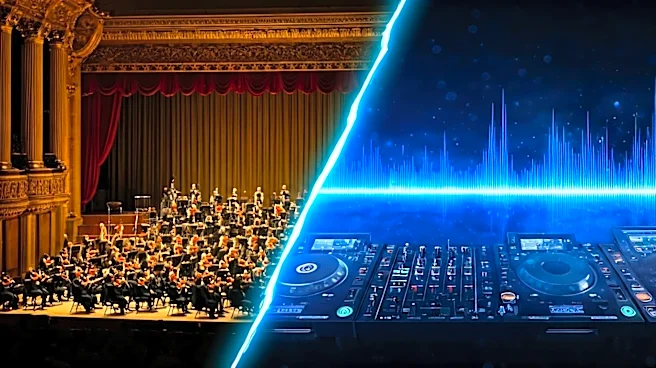
For many, a milestone as significant as a 250th anniversary demands the weight and dignity of orchestral music. Proponents of this view argue that symphonic scores provide a timeless, unifying sound that connects the present to the nation's founding ideals.
Think of the sweeping, patriotic compositions that have historically marked moments of national importance. These pieces aim for a sense of permanence and grandeur that, supporters say, a fleeting pop hit cannot match. Groups like the Chicago Symphony Orchestra and others are planning tributes featuring works by American classical giants like Copland, Gershwin, and Ives to honor the occasion. The America250 Foundation itself has already included newly commissioned orchestral work in its initial soundtrack releases, signaling a clear nod to this tradition. The argument is that this music, rooted in a long-standing tradition, offers a non-political, universally resonant tribute to the country's endurance.
The Push for Pop Revisionism
On the other side of the debate is a call for a soundtrack that reflects the America of today—a diverse, multicultural nation whose primary language is popular music. Advocates for this approach argue that relying solely on orchestral works ignores the genres that have truly defined and shaped the country's culture over the last century: jazz, blues, rock, hip-hop, and pop. This isn't just about being modern; it's about being honest about what American music actually is. The inclusion of artists like Chris Stapleton, The Smashing Pumpkins, and Chaka Khan in a major Los Angeles benefit concert for America250 shows that organizers are clearly courting a mainstream audience. The thinking, much like the strategy behind the musical Hamilton, is that combining historical themes with contemporary styles can make the celebration more accessible and relevant, especially to younger generations. One composer, Richard Trifan, recently released a pop anthem for the anniversary, believing the current generation deserves a patriotic song in its own musical language.
A Soundtrack of Compromise
The official answer from the America250 Foundation appears to be: why not both? The organization has launched an initiative called "America's Soundtrack," executive produced by music mogul Emilio Estefan, with the explicit goal of spanning genres and eras. The first three tracks released showcase this hybrid strategy perfectly: a pop song from Gloria and Emilio Estefan, a newly commissioned orchestral piece by Karen LeFrak, and a powerful choral performance from The Tabernacle Choir. This suggests the official soundtrack will be less of a single album and more of a sprawling playlist, designed to offer something for everyone. Events across the country are reflecting this blend. West Virginia's celebration, for instance, features both the West Virginia Symphony Orchestra and country music stars. This 'big tent' approach seems designed to sidestep the central conflict by absorbing it.
More Than Just Music
The tension between these two musical philosophies mirrors a broader cultural conversation about American identity. The preference for an orchestral score can be seen as a desire for a unified, traditional narrative of the nation—one of stability, strength, and shared heritage. The push for a pop-centric playlist, however, reflects an America that is more complex, dynamic, and defined by its many different voices and histories. This debate has become so sensitive that it has even touched on politics. One planned festival saw an exodus of artists, including Martina McBride and Bret Michaels, after they felt a nonpartisan celebration was becoming politically divisive and aligned with a specific political movement, showing how fraught the cultural territory can be. The choice of music, therefore, isn't just an aesthetic one; it’s a statement about which version of America is being celebrated in 2026.