




The Agony and Ecstasy of Scarcity
Unlike a club season with a game every week, the World Cup happens only once every four years. For players in their prime, this scarcity is everything. A single tournament can define an entire career, meaning a star might only get two, maybe three, realistic
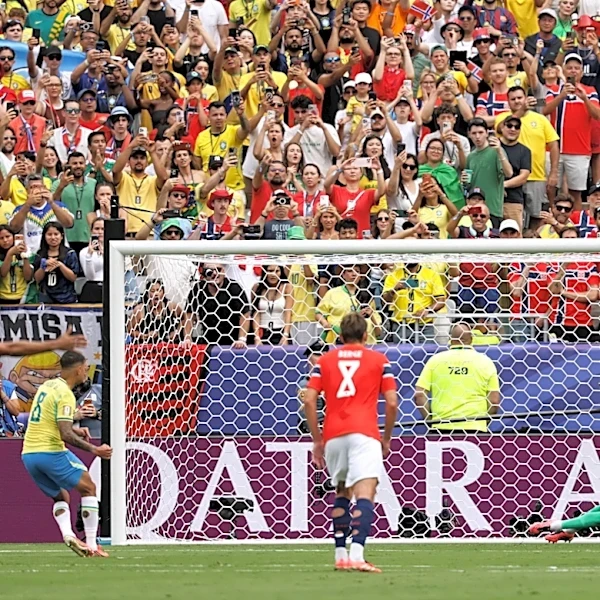
shots at glory. This immense gap magnifies the weight of every moment. A missed penalty, a defensive error, or a red card isn't just a mistake in one game; it's a failure that can haunt a player, a team, and an entire nation for 1,460 days. This long wait creates the essential first ingredient for any great redemption story: a deep, painful wound that needs healing. The pressure is immense because there is no 'next season' to fix it—there is only the next World Cup.
The Tightrope of the Group Stage
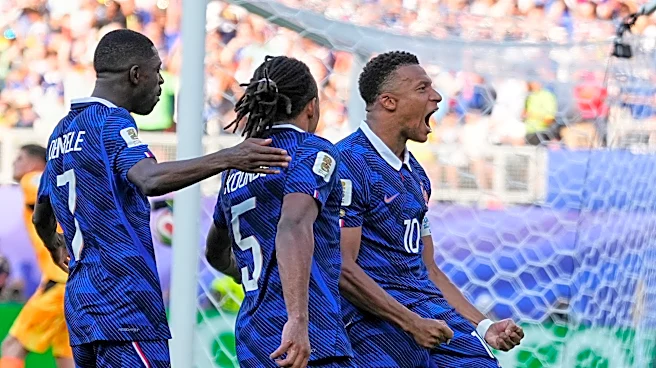
Before the do-or-die drama begins, teams must survive the group stage gauntlet. With the tournament's expansion to 48 teams, the dynamics have shifted. While more teams advance, the pressure remains intense. The new format, where some third-place teams can qualify for the knockout rounds, adds a layer of strategic complexity and suspense. A team's fate can now depend on results from other groups, leading to excruciating waits as standings shift with every goal scored across the country. We saw this play out in the 2026 tournament, with teams anxiously watching other matches to see if their goal difference would be enough to squeeze into the new Round of 32. This phase isn't just about winning; it's about survival, setting the stage for either an early, humiliating exit or the first step toward a legendary run.
The Brutality of the Knockout Rounds
This is where the World Cup truly becomes a crucible. The knockout stage is a series of single-elimination games: win and you continue, lose and you go home. There are no do-overs. A 90-minute match, possibly stretched to 120 minutes of extra time and the gut-wrenching lottery of a penalty shootout, decides everything. This format is unforgiving and is designed to produce definitive heroes and villains. Look at the 1994 final, where Italian icon Roberto Baggio, who had single-handedly dragged his team to the final, missed the decisive penalty. That one kick overshadowed his brilliant tournament and became a wound that he said haunted him for years. The knockout structure guarantees that legacies are made or broken in the blink of an eye.
The Ultimate Atonement
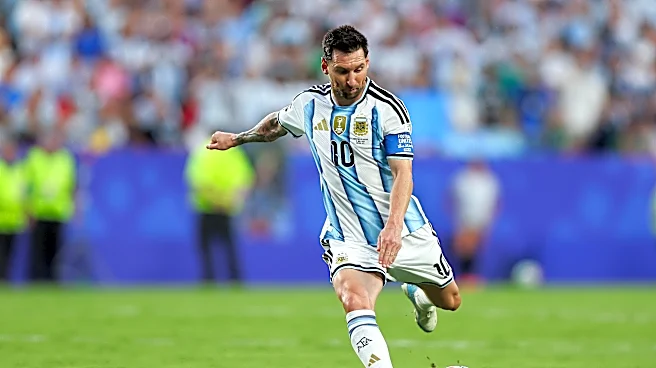
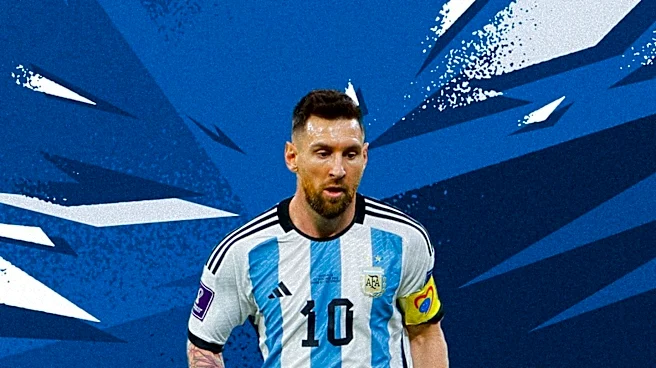
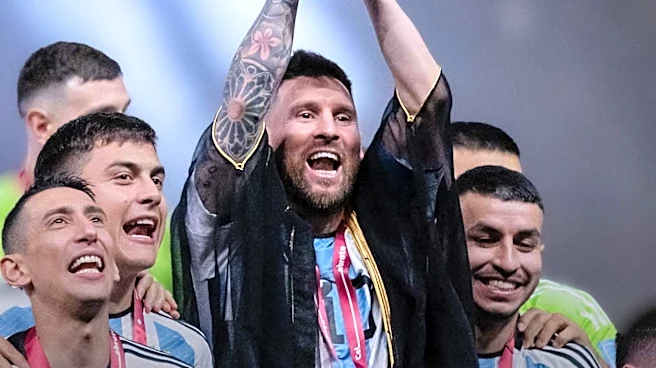
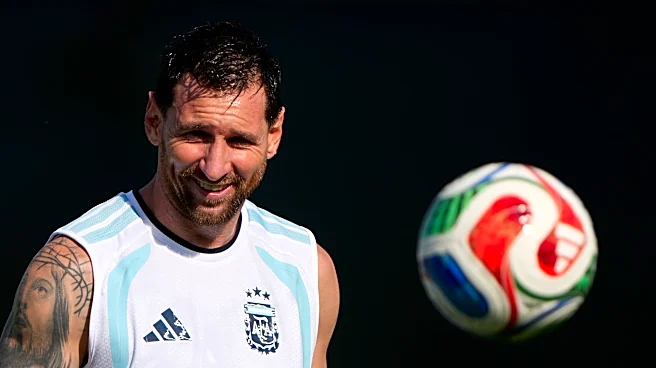
The only thing more powerful than a dramatic failure is a triumphant comeback. The World Cup provides the ultimate stage for this. After years of falling short with Argentina, carrying the weight of national expectation, Lionel Messi’s journey to the 2022 title is arguably the greatest redemption story in sports history. After losing the 2014 final and even briefly retiring from the national team under immense pressure, he returned to lead Argentina to glory. His performance in Qatar, culminating in a final for the ages, wasn't just a victory; it was the completion of a narrative, a final answer to every question about his legacy. It demonstrated how the tournament’s structure allows for a player to erase years of heartbreak and finally achieve immortality in a single, glorious campaign.