







The Scene of the Crime
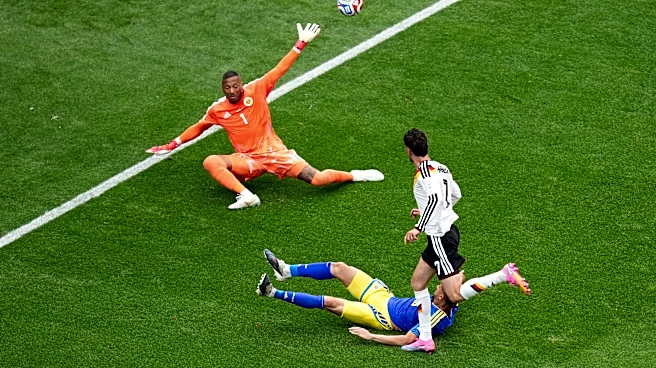
It was July 2, 2010, at Soccer City stadium in Johannesburg. Ghana, the last African team standing in the first-ever World Cup held on African soil, was on the verge of making history. A free-kick was floated into the Uruguayan penalty area. After a chaotic
scramble, a header from Ghana's Dominic Adiyiah was looping over the goalkeeper and into the net. It was a certain goal. The goal that would have sent Ghana to the semi-finals. But standing on the goal line, Uruguayan striker Luis Suárez did the unthinkable. He didn't try to head the ball away. He instinctively, blatantly, thrust both hands up and batted the ball away like a volleyball player. It was an illegal and deliberate act, and the referee had no choice but to blow his whistle.
The Rules of the Gamble
In soccer, a deliberate handball by a non-goalkeeper that denies a clear goal-scoring opportunity is an automatic red card and a penalty kick for the opposing team. Suárez knew the rule. He knew he would be sent off, his game over. But he also made a cold, split-second calculation. A penalty kick, while heavily favored to be a goal, is not a guarantee. A header crossing the line, however, is. By sacrificing himself, he traded a certain goal for Ghana for a *probable* goal. As the red card was flashed and Suárez trudged off the field in tears, he gave his nation one last, improbable chance. The fate of the entire continent, it seemed, now rested on a single kick from 12 yards out.
Heartbreak and Unfiltered Joy
Ghana’s star striker, Asamoah Gyan, who had already scored two penalties in the tournament, stepped up to take the kick. The stadium held its breath. This was the final kick of extra time; a goal would win the game. Gyan struck the ball with power, but it cannoned off the crossbar and soared into the crowd. The whistle blew, signaling the end of extra time and sending the game to a penalty shootout. On the sideline, the banished Suárez was caught on camera, erupting in a wild, unadulterated celebration. He pumped his fists, roaring with a joy that was seen by millions as the ultimate act of villainy. He wasn't just a cheater; he was a cheater who reveled in the heartbreak his actions had caused.
The Villain's Justification
Uruguay went on to win the subsequent penalty shootout, with Ghana's players emotionally shattered. The world condemned Suárez. He was branded a cheat, a monster, and the man who single-handedly robbed Africa of its dream. Yet, he remained defiant. In post-match interviews, he famously declared, "The 'Hand of God' now belongs to me," a reference to Diego Maradona's own infamous handball goal in 1986. Suárez argued he had made a sacrifice for his team. He did what anyone would do to save their country, accepting the punishment the rules prescribed. In Uruguay, he wasn't a villain; he was a national hero who put everything on the line. The debate raged: Was this a despicable act of cheating or the ultimate example of competitive spirit?
A Complex and Enduring Legacy
More than a decade later, the incident remains one of the most iconic and divisive moments in sports history. For many, it represents everything wrong with modern athletics: winning at any cost, even through blatant rule-breaking. For others, it’s a masterclass in gamesmanship. Suárez didn’t break the game; he used the rules to his advantage, accepting the consequences (a red card) to give his team a sliver of hope. That hope, against all odds, paid off. The moment cemented Suárez’s global reputation as a brilliant but ruthless competitor, a pantomime villain you loved to hate. He would go on to be involved in other controversies, but this was his origin story—the moment a player's hands became as famous as his feet.