



An Audience of Stars, Not Students
The fundamental difference between the VMAs and shows like the Academy Awards lies in the audience itself. The Oscars are attended by actors, directors, and producers who, for the most part, sit attentively. They are there to celebrate the craft of filmmaking.
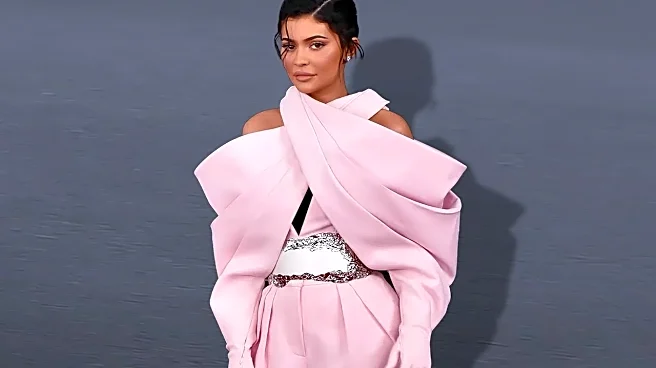
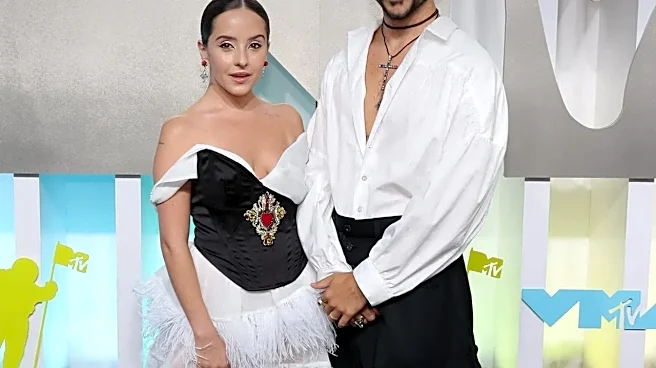
The VMA audience, in contrast, is a chaotic mix of pop stars, rappers, and influencers who are arguably more interested in each other than in a host's monologue. They are the spectacle. For a comedian, this means the usual trick of commanding a quiet room is out. You’re not a professor giving a lecture; you're trying to get a word in at the wildest party of the year. The energy is less about reverence for an institution and more about individual brands and viral moments, many of which happen spontaneously in the crowd.
Chaos Agent vs. Polished Emcee
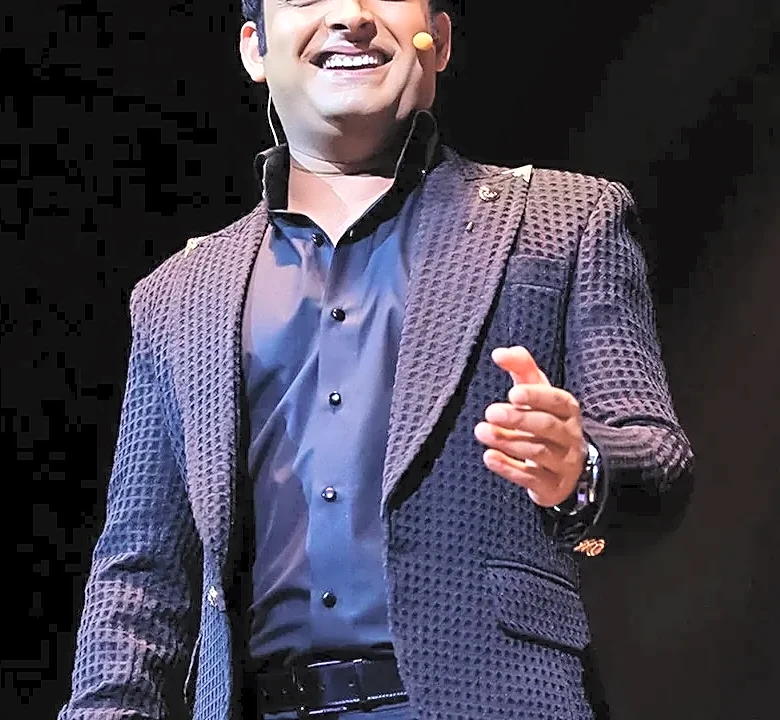
At a legacy show like the Emmys or Golden Globes, the host is an emcee, guiding the evening with sharp, topical, and often industry-insider jokes. The goal is to be witty and sophisticated. At the VMAs, the most successful hosts have often been chaos agents. Russell Brand, for example, made waves by being a controversial, unpredictable presence, poking fun at the Jonas Brothers' purity rings and the political climate. This approach acknowledges the show's unscripted, anything-can-happen vibe. In contrast, comedians who bring a more traditional, observational style have struggled. Sebastian Maniscalco, a massively successful stand-up known for relatable humor about family and daily life, was seen as a poor fit for the VMA demographic, with jokes that failed to connect with the room of young artists.
Punching Through the Noise
The type of humor required is drastically different. Oscar jokes often roast the industry itself or the nominated films, assuming a shared cultural knowledge among the audience. VMA humor has to be bigger, louder, and more direct to cut through the noise. It can’t be subtle. Chris Rock, a multi-time host, succeeded by being unapologetically abrasive, riffing on celebrity antics and controversies in a way that felt authentic to the MTV brand. His strategy wasn't to win over every person but to react to the spectacle in real-time. As he once noted, much of the comedy comes from simply watching the show and the unpredictable behavior of its high-profile guests. The jokes are less about deconstructing a film's themes and more about pointing out the absurdity of the present moment, like Diana Ross grabbing Lil' Kim's breast on stage.
Redefining a Successful Night
For many awards shows, a successful hosting gig can define a comedian's career, remembered for years of flawless delivery and beloved bits. At the VMAs, success often just means survival. The goal isn't necessarily to be universally loved but to navigate the evening without a major catastrophe while creating a few memorable moments that get people talking. The job is less about being the star of the show and more about being the ringmaster of a celebrity circus. In recent years, MTV has often opted for musicians like Nicki Minaj or Megan Thee Stallion to host, who treat the role as both emcee and headliner, leaning into their own star power rather than trying to wrangle the room with stand-up. This shift highlights the central truth: at the VMAs, the talent on stage is often secondary to the talent in the front row.