



The Golden Age of 'Hygge'
Before it was an Instagram filter, Scandinavian design was a philosophy. Born in the mid-20th century, it was a democratic movement meant to bring beautiful, functional design to everyone. Its principles were simple: light-filled rooms to combat long
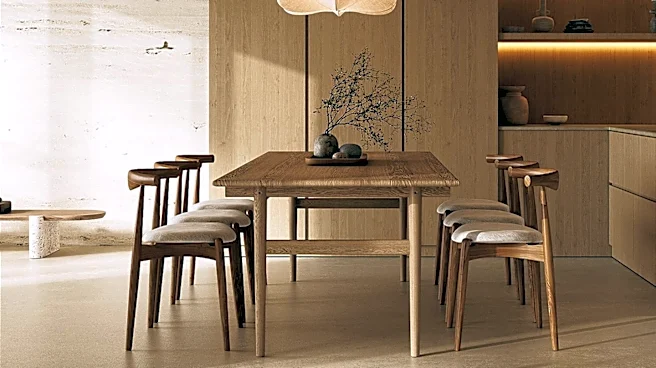
winters, natural materials like pale wood and wool, and a focus on utility over ornamentation. It was about creating a calm, uncluttered sanctuary. The concept of 'hygge'—a Danish word for a feeling of cozy contentment—was central. This wasn't just about how a room looked; it was about how it felt. It was a thoughtful response to a specific climate and culture, valuing craft, durability, and a deep connection to nature. For a world drowning in clutter, it was a breath of fresh, minimalist air.
Enter the Algorithm
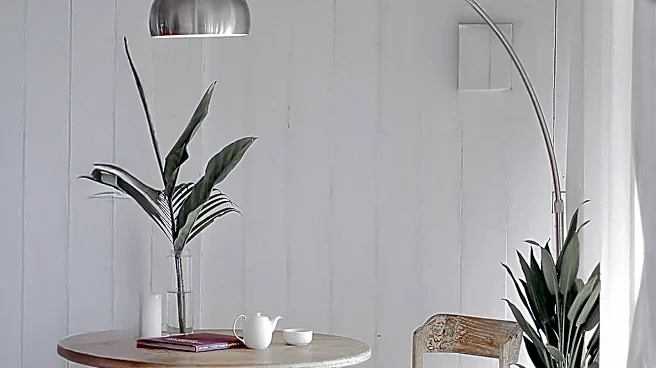
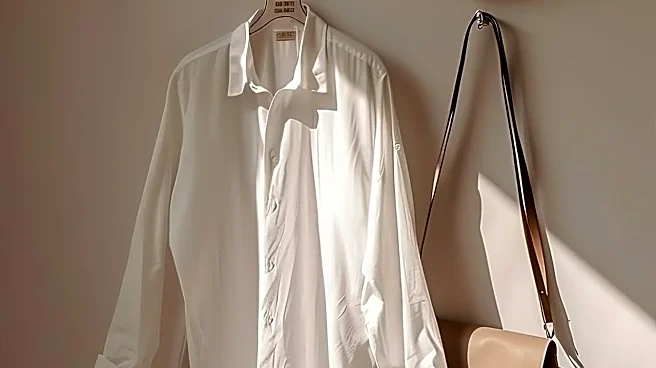
Then came Pinterest and Instagram. Social media platforms operate on visual shorthand, and Scandi chic’s clean lines and neutral palette were perfectly suited for quick consumption. The aesthetic went viral, but in the process, something was lost. The philosophy was stripped away, leaving only the visual signifiers: the boucle chair, the pampas grass in a vase, the abstract line art. The internet didn't just share Scandi style; it created a flattened, templated version. This new “Instagram aesthetic” rewards familiarity and reproducibility. The goal shifted from creating a personal sanctuary to staging a photo that would perform well, leading to a wave of beige-on-beige interiors that all looked suspiciously the same.
From Regional to Globally Generic
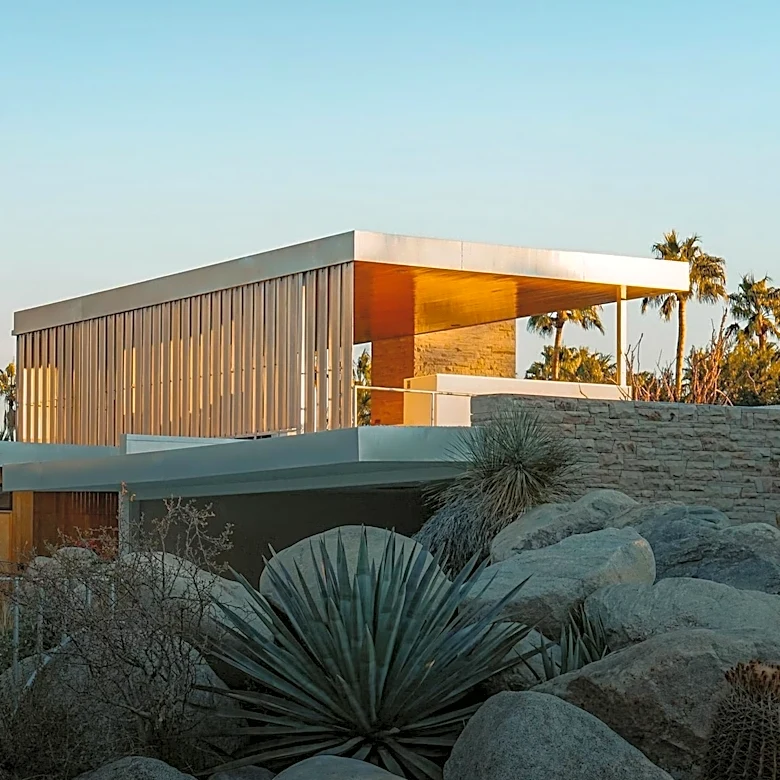
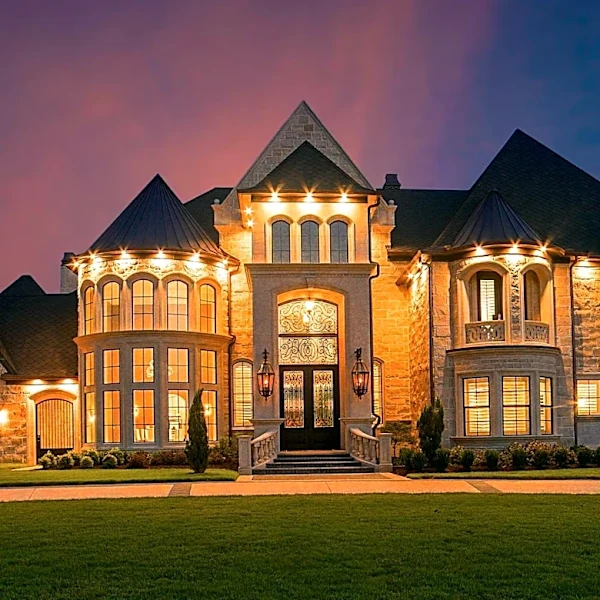
This “flattening” effect isn't unique to home decor. Critics describe a phenomenon where algorithms smooth out regional and cultural distinctions, promoting a homogenized global style that’s palatable to the widest possible audience. What started in Scandinavia became the default aesthetic for co-working spaces, coffee shops, and Airbnbs from Austin to Seoul. The focus on craft and longevity was replaced by a consumerist impulse to buy the trendy item. The result is an aesthetic that feels disconnected from its roots—less about thoughtful living and more about participating in a global trend, often fueled by fast fashion and quickly discarded micro-trends.
Life After Beige: The Rise of Personality
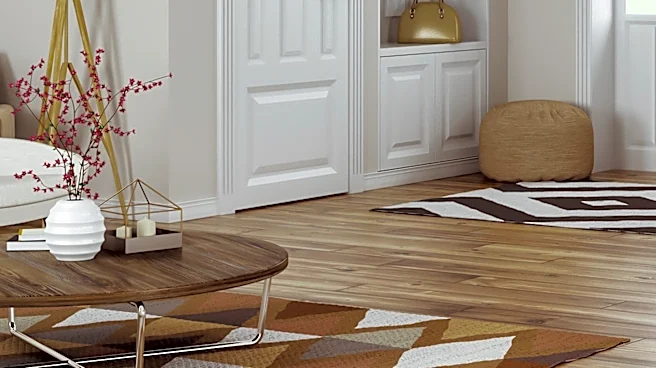
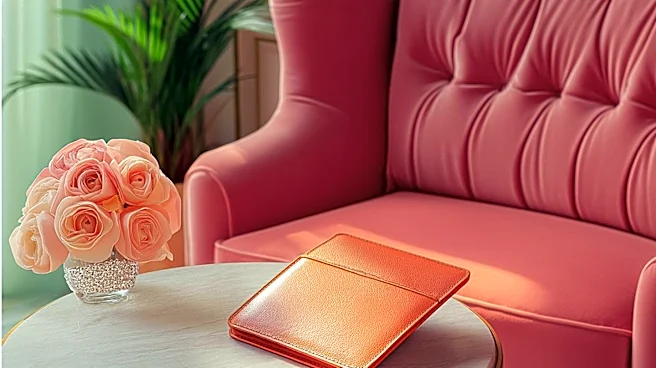
The good news? A rebellion is brewing. After years of minimalist rule, designers and consumers are craving personality. Trends like "dopamine decor" are gaining traction, encouraging the use of bold colors, playful patterns, and sentimental objects to create spaces that spark joy. The focus is shifting from aesthetic perfection to emotional well-being. Even within Scandinavian design itself, the look is evolving. The stark, all-white interiors are being replaced by warmer, richer palettes of terracotta, sage green, and earthy neutrals. Curved furniture, statement lighting, and tactile materials are bringing a softer, more personal feel back into minimalist spaces. It's less about austerity and more about a warm, sensory richness.