





Treat it as Light, Not a Creature
The biggest trap Disney's visual effects teams can fall into is creating a photorealistic manta ray that just happens to glow. That’s not what Gramma Tala becomes. She becomes a spirit, a guide made of light and memory. The animated sequence works because
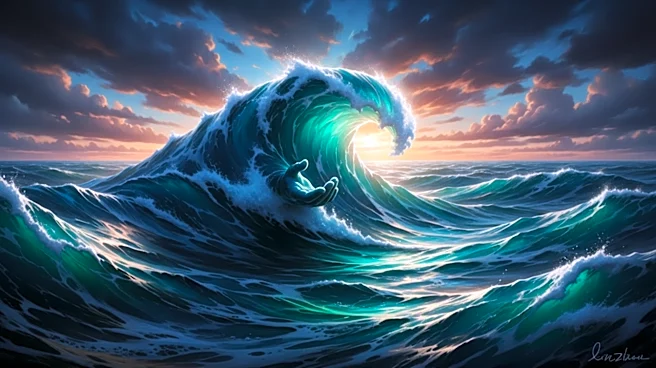
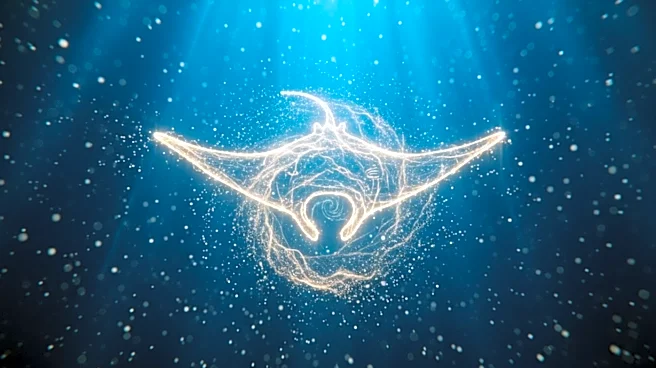
it's ethereal and symbolic. For the live-action film, starring Rena Owen as the revered grandmother, the effect should be less about a detailed animal and more about the quality of light. Think about the way bioluminescence appears in the deep ocean—a ghostly, fleeting glow. The ray should be a shimmering constellation of light particles, a form that suggests a manta ray rather than perfectly outlining one. It should feel like something Moana perceives with her heart as much as her eyes, a presence that distorts the water and light around it, not a solid object dropped into the scene.
Integrate with the Environment
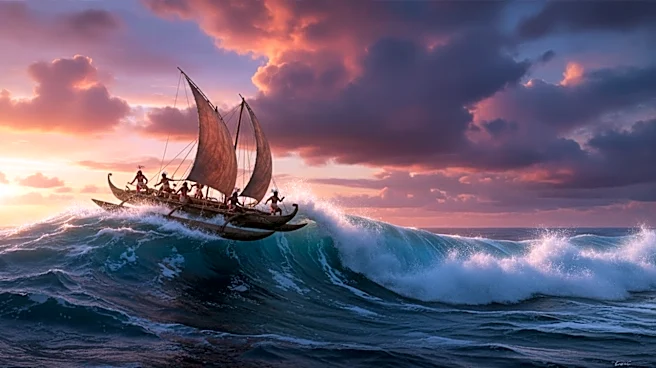
One of the major criticisms of modern CGI, particularly in Disney's remakes, is that the effects often feel separate from the practical world of the film. The key to making Gramma Tala's spirit believable is to have it interact seamlessly with the most important character besides Moana herself: the ocean. Instead of a glowing ray flying above the water, imagine its light emanating from beneath the surface, illuminating the plankton and a pathway for Moana's boat. Its form could be seen as a pressure wave, a swirl of currents that takes on the shape of a ray for a fleeting moment. This approach grounds the magic in the natural world. The ray is of the ocean; therefore, its manifestation should be through the ocean. This makes the effect feel more organic and spiritual, honoring the deep connection between Tala and the sea she loved.
Let It Be Imperfect and Subjective
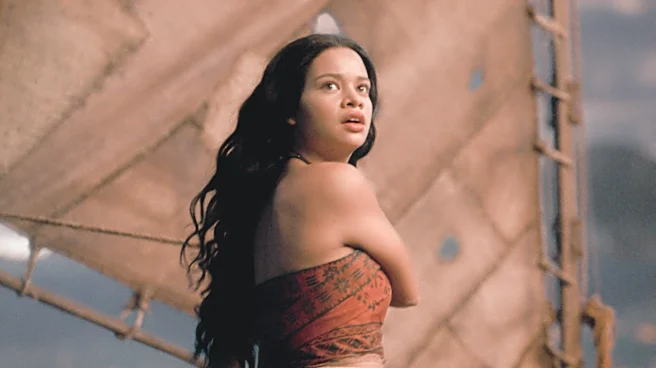
The vision of the ray shouldn't be a crystal-clear image for the audience. It should be subjective, seen through Moana's grief-stricken but determined eyes. Maybe the form is only perfectly clear for a split second, the way a memory can flash in your mind with perfect clarity before fading. At other times, it could be a mere flicker of light on the horizon or a pattern in the reflection of the stars on the water. This approach not only solves a technical problem but also deepens the emotional storytelling. By not giving the audience a prolonged, perfect look at the ray, the filmmakers force us to experience it as Moana does: a sign of faith, a moment of guidance that you have to believe in to truly see. It respects the intelligence of the audience to understand the symbolism without needing a heavy-handed visual.
Draw from Culture, Not Just Technology
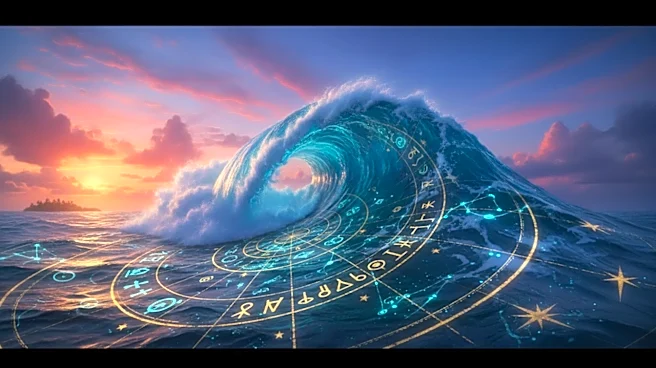
In many Polynesian cultures, manta rays symbolize wisdom, protection, and the spiritual presence of ancestors. The design in the animated film was not arbitrary. The live-action team, led by director Thomas Kail, should lean into this cultural significance. The goal isn't just to create a cool effect, but to convey a deep cultural belief. The movement shouldn't be that of a simple animal, but something more deliberate and graceful—a dance, as Gramma Tala herself would have done. By focusing on the why behind the symbol, the how becomes clearer. The effect should evoke a sense of peace, strength, and ancestral guidance. If the VFX team starts with the question, "What does this ray represent to Moana and her heritage?" rather than "How do we make a glowing ray?" the result will be far more powerful and authentic.