


The End of the Skinny Era
Let’s be honest: the 2010s belonged to the slim-fit. From jeans to chinos to suit trousers, the prevailing logic was that narrower was better. Spurred by a resurgence of mid-century aesthetics and popularized by brands like J.Crew, the slim-cut chino became
the workhorse of the modern American man’s wardrobe. It was clean, simple, and seemingly universal. It flattened everything into a single, slender silhouette that felt safe and appropriate for almost any casual or business-casual setting. But fashion, like nature, abhors a vacuum—and a decade is a long time for one look to dominate. The very ubiquity that made the skinny chino a go-to eventually made it feel stagnant and, dare we say, a little boring. A quiet rebellion against restriction began to brew.
The Pitti Uomo Pipeline
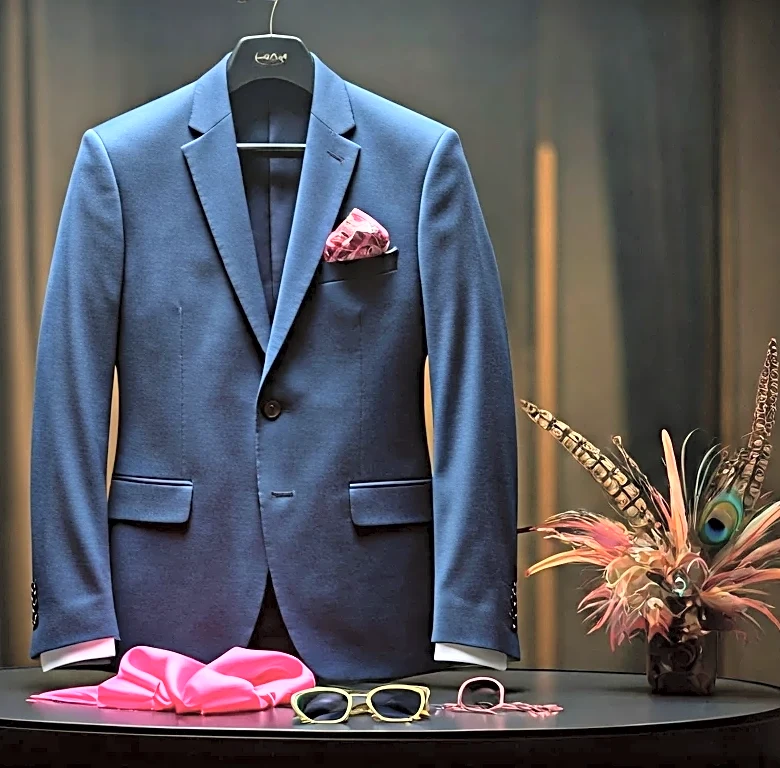
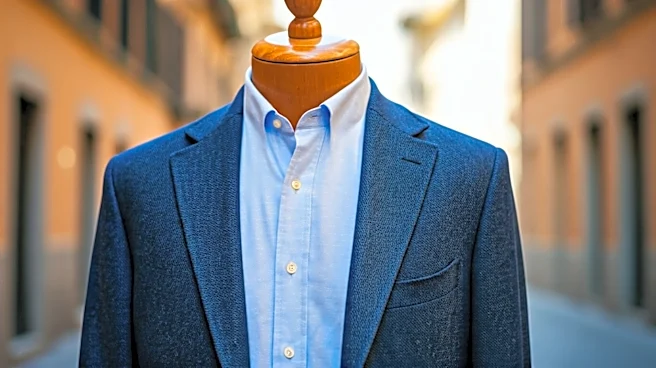
To understand where the pleated pant trend came from, you have to look to Florence, Italy. Twice a year, the city hosts Pitti Uomo, a massive menswear trade show. While deals are made inside, the real action happens on the cobblestone plaza outside. This is where the world's most stylish buyers, editors, and influencers—often dubbed 'Pitti Peacocks'—convene, showcasing what's next. Years before pleated trousers hit mainstream American stores, they were appearing at Pitti. Photographers captured a shift away from skin-tight tailoring toward a looser, more relaxed elegance. These men wore trousers with single or double pleats that created volume around the hips and a graceful taper toward the ankle. The look was confident and comfortable, a clear antidote to the rigid uniformity of the skinny fit. Street style blogs and Instagram broadcast these images globally, planting the seed for a new sartorial ideal.
The Compelling Case for Pleats
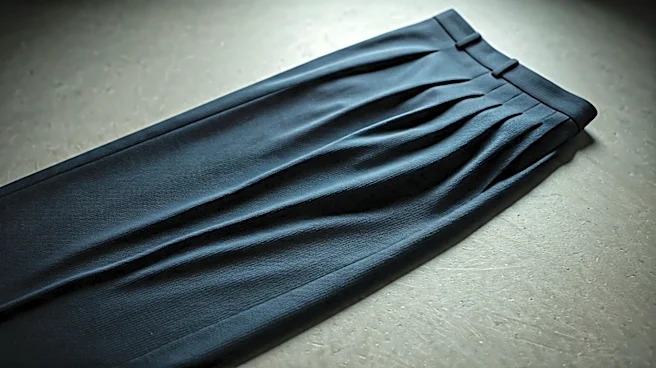
So why are men actually making the switch? First, and most obviously: comfort. After years of feeling our circulation gently cut off, the freedom of a roomier trouser is a revelation. Pleats—those small, folded-and-stitched tucks of fabric below the waistband—are functional. They expand when you sit down, offering a range of motion that skinny pants simply can't. But the appeal is more than just practical. A well-cut pleated trouser creates a more dynamic silhouette. It drapes, it moves, it has character. Unlike the flat front of a chino that can pull across the thighs, pleats add architectural shape and visual interest. They nod to the golden age of Hollywood style (think Cary Grant) and the power-dressing of the 1980s, but with a modern update. Today’s versions are not the billowy 'dad pants' of the 90s; they feature a higher rise and a clean taper that elongates the leg.
How to Make Them Work Now
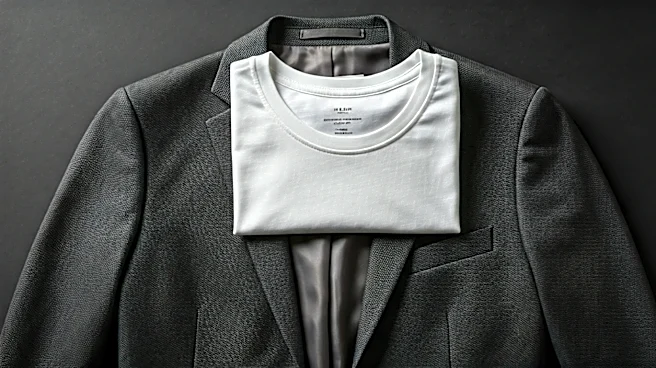
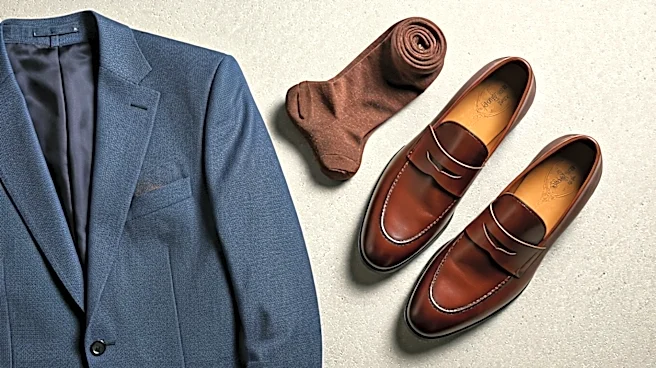
Adopting the pleat doesn't require a complete wardrobe overhaul. The key is proportion. Because the pants have more volume, what you wear up top matters. A simple, well-fitting T-shirt or knit polo tucked in is a classic move that highlights the trouser's high waist and clean lines. For a more casual look, pair them with minimalist leather sneakers. For a dressier take, a loafer or derby shoe works perfectly. The modern pleated trouser is incredibly versatile. A lightweight cotton or linen pair can replace your old chinos for summer weekends. A version in wool flannel can anchor your fall and winter wardrobe, looking just as good with a chunky sweater as it does with a sport coat. The trick is to find a fit that’s right for you—not baggy, but with enough room to create that elegant, relaxed drape that defines the entire look.