



The Unkillable Box Office Returns
You can’t argue with the numbers. While many long-running franchises eventually see diminishing returns, the 'Halloween' series proves the exception. The 2018 'Halloween,' a direct sequel to the 1978 original that ignored all other entries, became a box
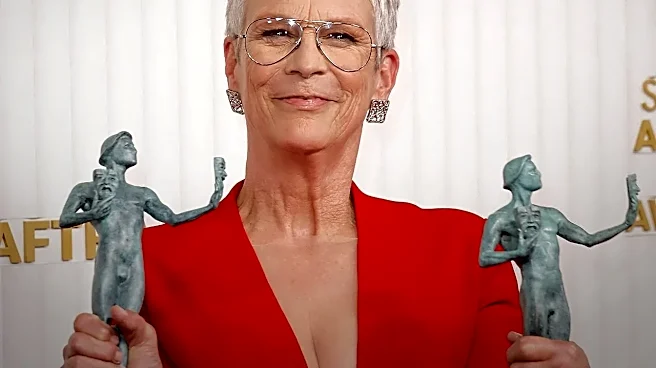
office juggernaut. It grossed over $255 million worldwide on a lean $10 million budget, making it the highest-grossing slasher film of all time in unadjusted dollars. This wasn't a fluke. It was a demonstration of pent-up fan demand. Producers at Blumhouse correctly wagered that by bringing back Jamie Lee Curtis as Laurie Strode and focusing on the core rivalry, they could activate a massive, built-in audience ready to show up. Even the less-loved sequels, 'Halloween Kills' and 'Halloween Ends,' pulled in impressive numbers, proving that for this fanbase, a new Michael Myers movie is a theatrical event, regardless of reviews.
A Seasonal Tradition, Not Just a Movie
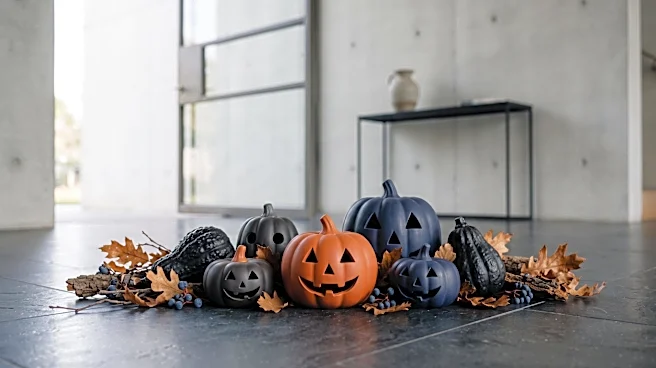
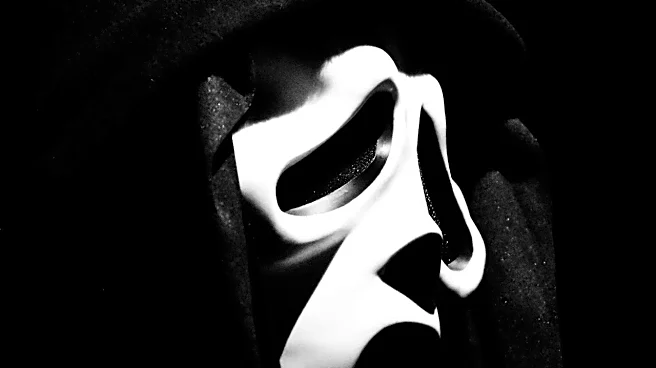
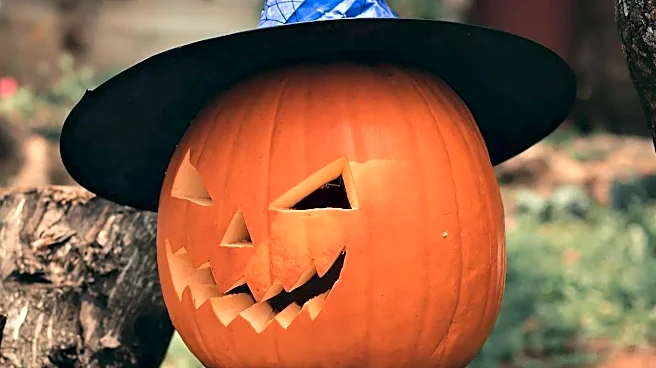
For many, watching a 'Halloween' movie in October is as much a part of the season as pumpkin carving. The film franchise is inextricably linked to the holiday it's named after. This transforms a simple movie release into a cultural ritual. Fans don't just go to see a horror flick; they go to get into the Halloween spirit. This seasonal anchor gives the franchise a unique and powerful marketing advantage. Studios know they have a guaranteed audience that is primed and ready every autumn. The character of Michael Myers himself—silent, persistent, and representing a kind of motiveless evil—has become a permanent fixture of the holiday's iconography, as recognizable as a ghost or a skeleton.
The Year-Round Fandom Ecosystem
The devotion to Michael Myers doesn't go dormant on November 1st. A thriving ecosystem of fan engagement keeps the character culturally relevant year-round. Horror conventions are a major pillar of this, where fans line up to meet actors from across the franchise's various timelines, buy merchandise, and participate in panel discussions. These events foster a sense of community and turn passive viewers into active participants in the lore. Online, countless forums, Reddit threads, and social media groups endlessly debate timelines, rank the films, and spin elaborate fan theories about Michael's nature. This constant conversation creates a perpetual buzz, ensuring that even when there isn't a new movie, Michael Myers is never far from the horror community's consciousness.
Loyalty Forged in Flexibility
The 'Halloween' franchise has one of the most convoluted continuities in cinema history, with multiple timelines, reboots, and sequels that ignore other sequels. In a strange way, this has become a strength. It allows fans to 'choose their own adventure,' debating whether they prefer the original sequels, the 'H20' timeline, or the recent Blumhouse trilogy. This flexibility means the franchise can constantly reinvent itself without fully alienating its base. If one direction doesn't work (like the infamous Michael-less 'Halloween III: Season of the Witch'), the studio can simply hit reset and try another angle. This adaptability, coupled with a fanbase willing to follow the series through its many iterations, is a key reason why Michael always finds a way to return to the big screen. The fans' willingness to forgive a misstep in exchange for another chance to see their favorite killer is the ultimate safety net.