






The Engine and the Brain
Think of the midfield as the team's engine room, central nervous system, and main communications hub all rolled into one. They are the link between the defenders and the forwards, responsible for the flow of the entire game. When a team controls the midfield,
they control the ball. When they control the ball, they dictate the pace of the game. A dominant midfield can choose to slow things down, calmly passing the ball to manage pressure and conserve energy, or they can inject sudden speed with a quick pass to launch a devastating attack. This control over the game's tempo is not just about possession statistics; it's about imposing your will on the opponent, forcing them to react to your rhythm and not their own. Teams that cede the middle are often left chasing shadows, constantly reacting rather than initiating.
The Shield and the Springboard
A great midfield is a team's first line of defense and the primary launchpad for its attacks. Defensively, they act as a shield for the backline, tasked with breaking up the opposition's play before it becomes truly dangerous. This involves immense physical work—tackling, intercepting passes, and closing down space. But the job is only half done when possession is won. The transition from defense to offense is where elite midfields separate themselves. A turnover in the middle of the park presents a golden opportunity. Because they are centrally located, midfielders can instantly spring an attack in any direction, playing passes into space for forwards to run onto. This dual role is what makes the position so demanding; players are expected to have the stamina of a long-distance runner and the creative vision of an artist.
Winning the Numbers Game
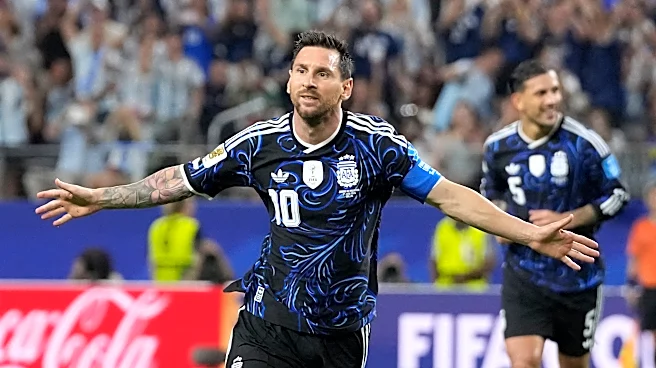
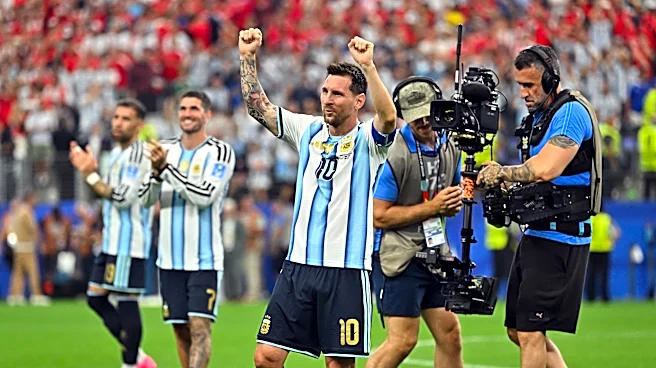
Modern soccer tactics are often about creating “numerical superiority”—-a fancy term for having more players in a key area than your opponent. The midfield is the most important area for this battle. By using tactical formations and intelligent player movement, top coaches design ways to overload the center. For example, a team might have a deep-lying midfielder drop back while an attacking midfielder pushes up, or have a wide player tuck inside, creating a 'box' of four players against the opposition's two or three. This was a key feature for Argentina in their 2022 World Cup victory, where they frequently used a narrow four-man midfield to crowd out opponents and give Lionel Messi space to operate between the lines. Creating these overloads makes it easier to keep possession and find passing lanes, effectively starving the other team of the ball in the most dangerous part of the field.
The Architects of Space
The very best midfielders manipulate space and time. They possess an almost supernatural awareness, constantly scanning the field to take mental snapshots of everyone's position. This allows them to know what they're going to do with the ball before they even receive it. It’s why you see players like Luka Modrić or the legendary Andrés Iniesta seem to have an extra second on the ball, even when surrounded. They are masters of the 'half-turn,' receiving the ball on their back foot so they can immediately face forward and play a pass that breaks the opposition's defensive lines. This ability to find and exploit small pockets of space is what unlocks stubborn defenses and turns a stale possession into a genuine goal-scoring chance. They don't just play the game; they design it, move by move.