







The Allure of Satin: A Study in Liquid Light
Satin is the choice for timeless, statuesque elegance. Its tightly woven fibers create a smooth, uninterrupted surface that plays with light in a unique way. Instead of scattering it, satin produces broad, soft, and rolling highlights. In natural light,
it glows; under warm spotlights, it can appear rich and luminous. When a star like Laura Dern appears in a structured pink Prada satin gown, as she did at the 2026 festival, the effect is one of sculpted, classic glamour. But this fabric is a high-risk, high-reward proposition. That same smooth surface that creates a liquid sheen is brutally honest. Under the harsh, direct flash of a photographer's camera, every wrinkle, pull, or seam can become a glaring flaw. The fabric's intense reflection can create hot spots, or areas of pure white where detail is lost, a challenge photographers must constantly manage by using softer, angled light.
The Spectacle of Sequins: A Thousand Points of Light
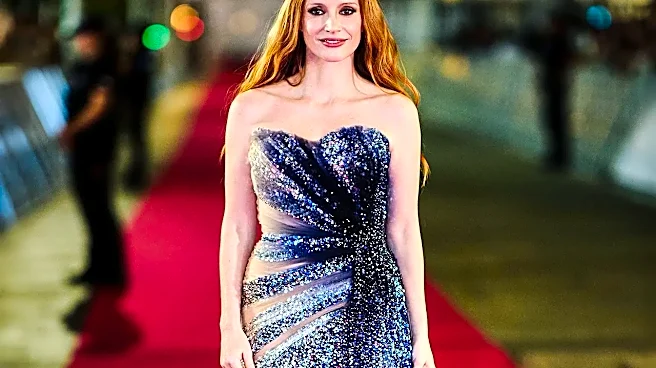
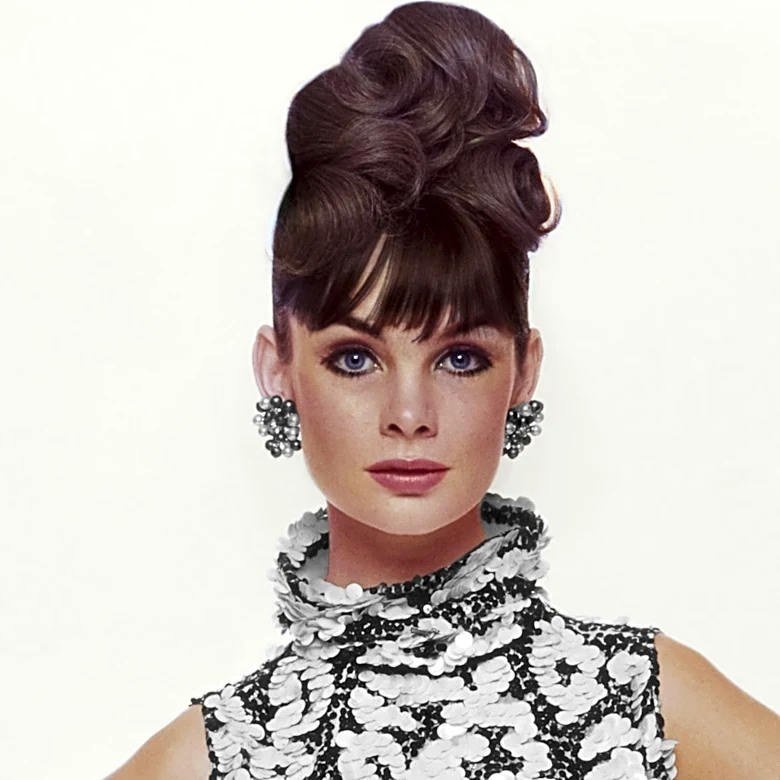
If satin whispers, sequins scream. This material is designed for one purpose: to be the center of attention. Each individual sequin acts like a tiny mirror, catching and fracturing light in thousands of directions. The result is an explosion of sparkle that is undeniably festive and camera-ready. At the recent Venice opening ceremony, stars like Nina Dobrev in Armani Privé and Madisin Rian in Giorgio Armani demonstrated the power of a sequined gown to create a memorable, high-energy moment. But for photographers, sequins present their own set of problems. The chaotic sparkle can overwhelm a camera's sensor, creating a blurry effect or blowing out highlights completely. To capture sequins well, photographers often use a single, strong light source from an angle to control the reflections and keep the background dark, letting the sparkle pop without turning the entire dress into a formless blob of light.
Behind the Lens: A Photographer’s Dilemma
For the photographers lining the red carpet, the battle between satin and sequins is a technical one. A direct, on-camera flash is the enemy of both. With satin, it creates a harsh, flat glare that can look cheap and wash out color. With sequins, it can create a blizzard of distracting hot spots. Professional photographers use diffused, off-camera lighting to flatter these difficult surfaces. For satin, a large, soft light source placed at a 45-degree angle can create those desirable smooth, rolling highlights without the glare. For sequins, a similar angled light helps define the sparkles instead of flattening them. The goal is to preserve the texture and intent of the design. Too much light, and a black sequin dress loses all its detail; too little, and a sleek satin gown can look dull. It's a constant negotiation between the light, the fabric, and the technology in their hands.
The Stylist's Gamble: Choosing the Narrative
Ultimately, the choice between satin and sequins is a strategic one made by the celebrity and their stylist. It’s about crafting a narrative. Satin, as seen on Claire Foy in a striking red Bottega Veneta gown or Maggie Gyllenhaal in Celine, often communicates a quiet confidence and an appreciation for clean lines and luxurious drape. It’s a fabric that demands a precise fit and careful handling, but the payoff is an image of pure, refined elegance. Sequins are for making an entrance. They are inherently celebratory and guarantee that all eyes—and all lenses—will be drawn to the wearer. A sequin dress is a declaration of presence, an embrace of the red carpet spectacle. The choice isn't just about fashion; it's about controlling the story the photograph will tell. One is a cool, liquid whisper of luxury, the other a joyful shout of glamour. Both are vying for the perfect shot.